





The Anxiety of the Aisle
For many digital natives, the traditional in-store shopping experience is broken. Nearly half of Gen Z consumers report that shopping in physical stores makes them feel anxious. [2] Their primary frustrations include long queues, crowded spaces, and the difficulty
of finding specific items. [9] This isn't just about impatience; it's about a deep-seated desire for efficiency and a frictionless experience, something they are accustomed to in the digital world. [9] Many young shoppers dislike speaking to customer service staff and would rather use digital tools to get the information they need. [2] The result is a generation that, while still visiting physical stores, often leaves empty-handed due to frustrations that online shopping seems to have solved. [9] They are looking for a shopping journey that feels intuitive and personal, not one that adds to their stress. [22, 23]
The Rise of the AI Personal Stylist
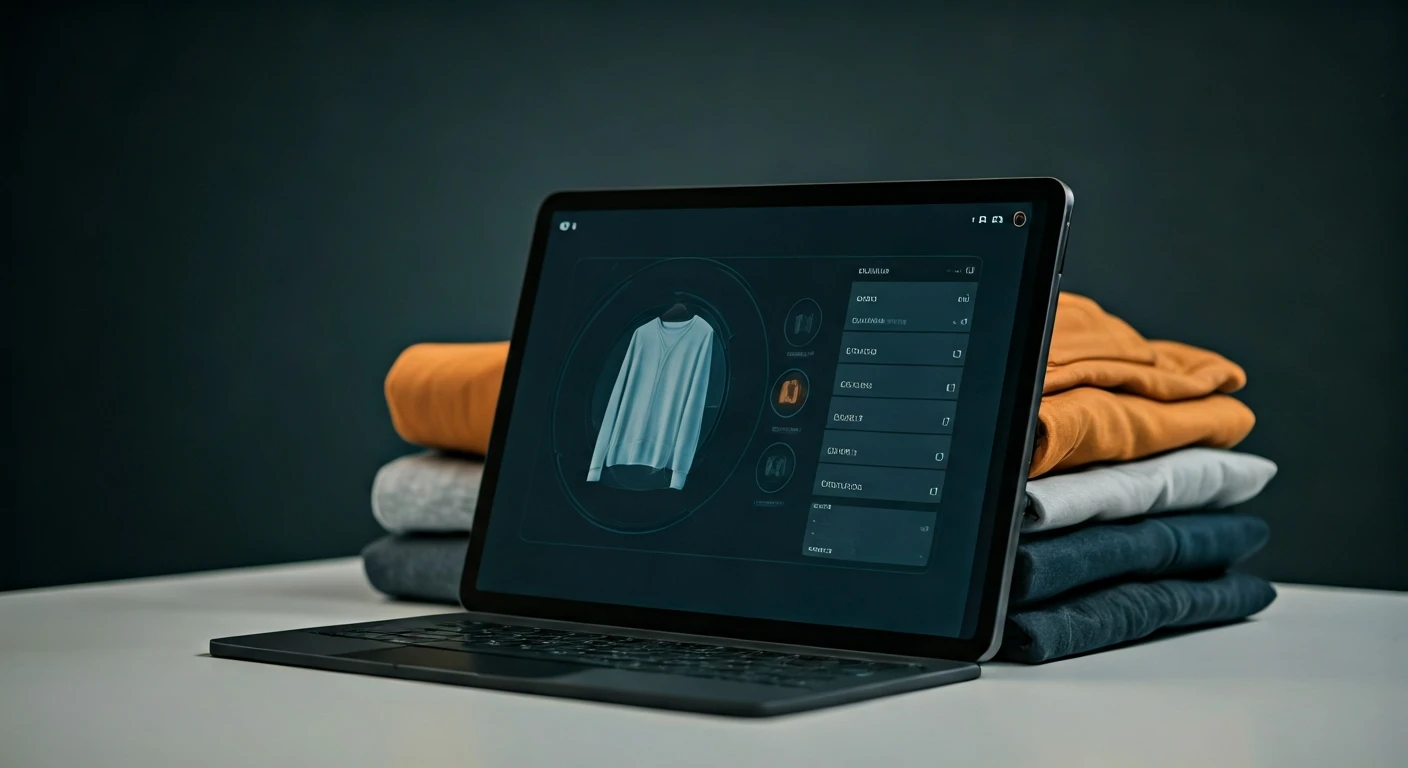
In response to this demand for curated guidance, a new category of mobile apps has emerged: the AI personal stylist. [14, 18] Platforms like Alta, minniie, and Style DNA offer everything from AI-powered colour analysis to daily outfit recommendations based on the user's existing wardrobe and the weather. [14, 17, 20] These tools function as a stylist in your pocket, helping to eliminate choice paralysis. Instead of browsing thousands of items, users get personalised suggestions that align with their taste. [6, 15] Some apps even allow users to create a digital version of their closet and virtually 'try on' new combinations or items from online stores before making a purchase. [18, 21] This blend of technology and personalisation speaks directly to Gen Z's desire for unique, tailored experiences that make them feel seen. [6]
Community and Creator-Led Curation
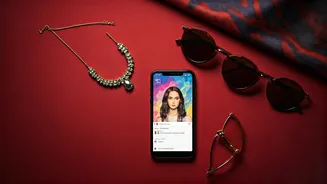
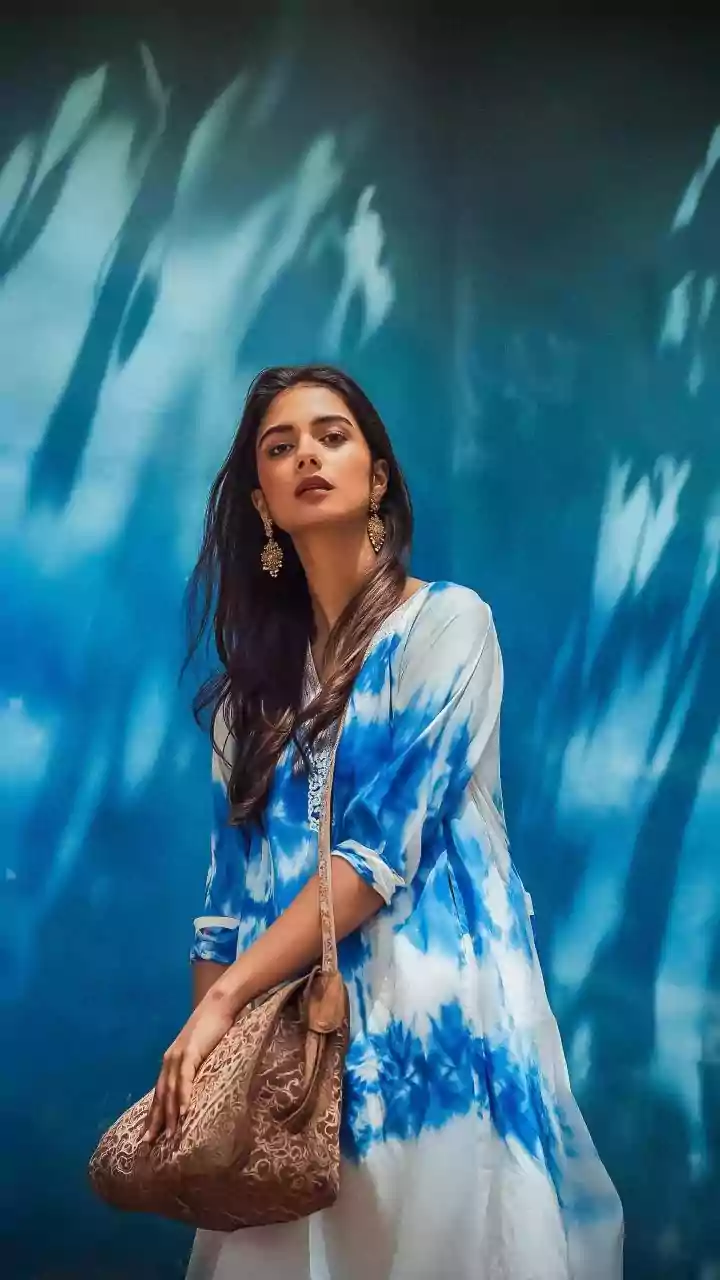
It’s not just about algorithms; it’s about authenticity and community. Gen Z's shopping habits are heavily shaped by social media platforms, with an overwhelming majority citing them as their top source for shopping inspiration. [4, 16] In India, platforms like Instagram and creator-led content on video apps are massive drivers of fashion discovery. [5, 8] This represents a fundamental shift from the top-down influence of magazines and designers to a community-driven, peer-to-peer model. [7] Young consumers in India trust creator recommendations and Bollywood trends, which often trigger immediate purchases through integrated social commerce features. [29, 30] Brands are tapping into this by collaborating with influencers who can provide authentic styling advice, creating a shopping experience that feels more like getting a tip from a trusted friend than being sold to. [4, 13]
A Seamless Blend of Digital and Physical
While online is often the starting point, Gen Z hasn't abandoned physical stores entirely. [10] Instead, they demand a seamless, omnichannel experience where the digital and physical worlds merge. [3, 26] They might discover a product through a creator on social media, research it online, and then want to see it in person. [10, 19] Successful retailers are those that integrate these experiences. This can look like using QR codes in-store to provide more information, offering 'buy online, pick up in store' options, or creating engaging, social-media-worthy store environments. [3] For this generation, the distinction between online and offline shopping is blurry; it's all part of a single, continuous journey where convenience, personalisation, and community are paramount. [25, 26]