






The Power of Green Bananas
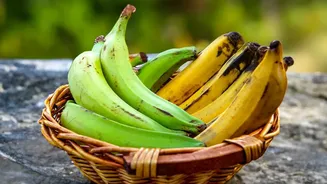
Often used in savoury dishes like sabzis, raw green bananas are nutritional powerhouses for specific health goals. Their firm, slightly waxy texture is due to a high concentration of resistant starch. This type of starch 'resists' digestion in the small
intestine, travelling to the colon where it acts as a prebiotic, feeding the good bacteria in your gut. This process is excellent for digestive health. Because it’s not easily broken down into sugar, resistant starch helps maintain steady blood sugar levels, making green bananas a fantastic choice for individuals managing diabetes. They have a low glycemic index (GI), meaning they release energy slowly and keep you feeling full for longer, which can also aid in weight management.
The Sweet Spot of Ripe Bananas
As a banana ripens, its nutritional profile shifts significantly. The resistant starch converts into simple sugars like fructose and glucose, which is why yellow bananas are much sweeter and softer. This makes them easier to digest for many people. The higher sugar content provides a quick source of natural energy, making a ripe banana an ideal pre-workout snack or a way to refuel after exercise. Furthermore, the ripening process increases the levels of antioxidants. Those familiar brown spots are actually a sign that the banana has a higher concentration of beneficial compounds that help fight oxidative stress in the body.
A Nutritional Showdown
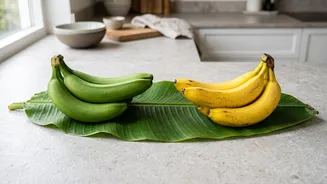
So, how do they stack up side-by-side? For blood sugar control, green bananas are the clear winner due to their high resistant starch and low GI, which can be as low as 30-42. Ripe bananas have a higher GI, typically between 51 and 62, as most of the starch has turned into sugar. When it comes to digestion, it’s a split decision. The prebiotic fibre in green bananas is great for your gut microbiome, but some people might experience gas or bloating from the resistant starch. Ripe bananas are generally easier to digest, but their higher concentration of fermentable sugars (FODMAPs) in large servings can be an issue for those with Irritable Bowel Syndrome (IBS). Micronutrient levels, like potassium and vitamin B6, remain relatively stable throughout the ripening process.
Choosing the Right Banana for You
Ultimately, the 'better' banana depends entirely on your personal health needs and preferences. If you are focused on managing blood sugar, improving gut health with prebiotics, or want a snack that keeps you fuller for longer, reach for a greener banana. If you need a quick energy boost, have a sensitive digestive system, or simply prefer a sweeter taste, a ripe yellow banana is the perfect choice. Athletes or anyone needing a rapid source of fuel will benefit more from the easily accessible sugars in a ripe banana. For those seeking a balance, a just-ripe yellow banana with no spots offers a pleasant taste with a moderate GI.