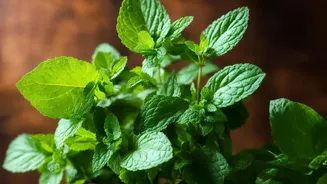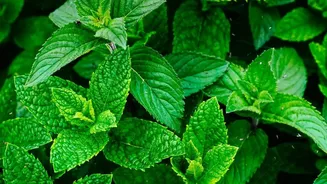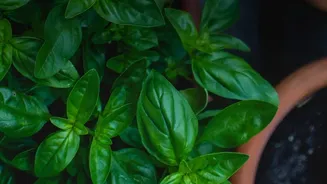



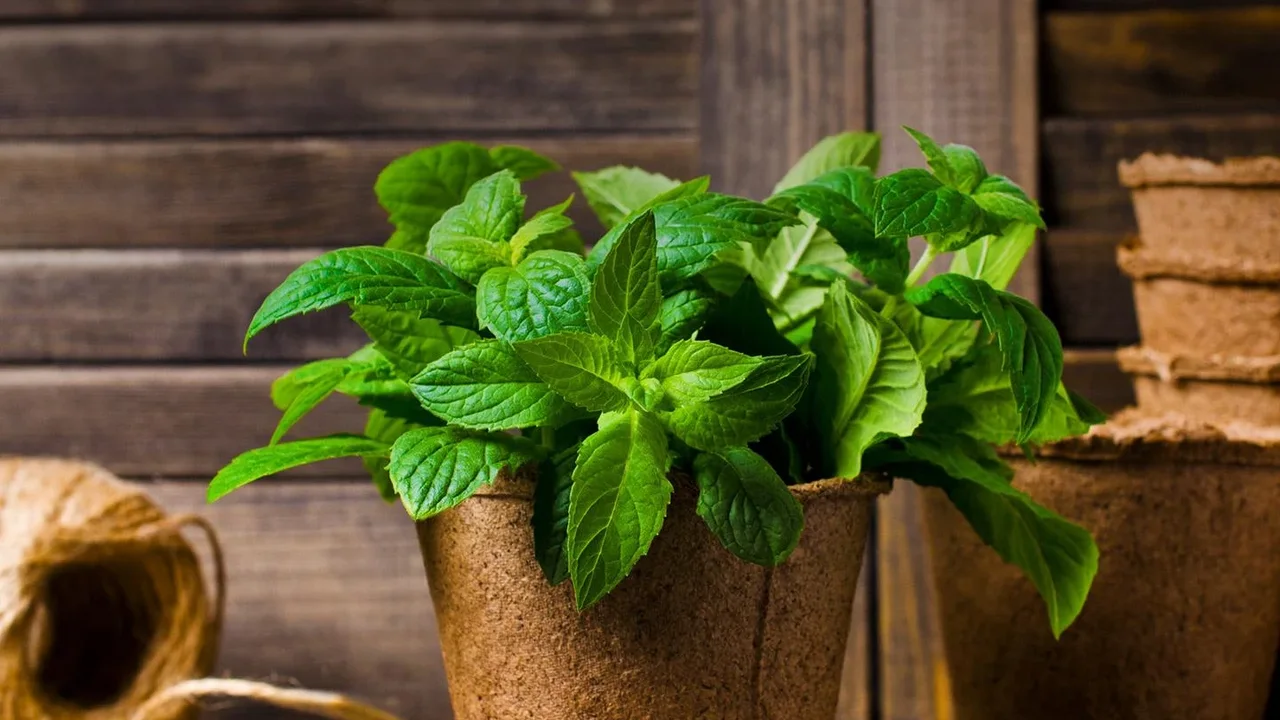
Getting Your Mint Plant Started
Mint is one of the most forgiving herbs for a beginner gardener. While you can grow it from seeds, the quickest and most reliable method is to use cuttings from a healthy, existing plant. You can even start with a fresh bunch from the market. Simply trim
a few healthy stems about four to five inches long, remove the lower leaves, and place them in a glass of water. In about a week, you'll see small white roots begin to form. Once these roots are well-established, your mint is ready for its new home. For soil, mint isn't fussy but thrives in a well-draining, nutrient-rich potting mix. A combination of garden soil, compost, and a little sand or perlite for drainage is ideal. Choose a pot that is at least 12 inches wide to give the plant's aggressive roots room to spread.
The Balcony: A Place in the Sun
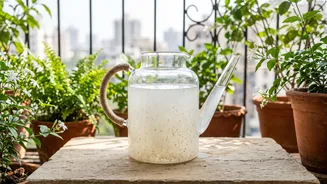
A balcony is a fantastic spot for a mint plant, offering ample sunlight and excellent air circulation. Mint generally loves sunlight, needing at least four to six hours a day to produce lush, flavourful leaves. A sun-drenched balcony can easily provide this. Good air movement also helps prevent fungal issues that can arise in stagnant air. However, the Indian sun can be intense. In peak summer, direct afternoon sun can scorch the leaves, so a spot that gets morning sun and some afternoon shade is perfect. Balcony plants also tend to dry out much faster due to sun and wind. You will need to monitor the soil moisture daily, especially during hot months, to ensure your mint doesn't wilt.
The Kitchen Sill: Convenience is Key
Growing mint on a kitchen windowsill places this essential herb exactly where you need it most. The convenience of snipping a few fresh leaves while cooking is unmatched. An indoor location protects the plant from harsh weather and many common garden pests. The main challenge for a windowsill plant is ensuring it gets enough light. Mint needs several hours of sun to avoid becoming 'leggy'—developing long, weak stems with sparse leaves. A south-facing window is often best. If you notice your plant stretching towards the glass, rotate the pot every few days to encourage even growth. Overwatering is the biggest risk for indoor mint, as the soil won't dry out as quickly as it would on a balcony. Always check that the top inch of soil is dry before watering again.
Water, But Not Too Much
Mint loves consistently moist soil, but it detests being waterlogged. Overwatering is a common mistake that can lead to root rot, which quickly kills the plant. A good rule is to water deeply whenever the top inch of the soil feels dry to the touch. In a hot, sunny balcony spot, this might mean watering every day during the summer. For a plant on a cooler kitchen sill, you may only need to water every few days. The key is to check the soil rather than watering on a fixed schedule. Ensure your pot has plenty of drainage holes to allow excess water to escape freely.
Harvesting for Maximum Flavour
Regularly harvesting your mint is the secret to a bushy, productive plant. The more you trim it, the more it will grow. Instead of plucking individual leaves, use a pair of scissors to snip off the top few inches of a stem, cutting just above a pair of leaves. This encourages the plant to branch out from that point, creating a fuller shape. The best time to harvest is in the morning, when the leaves' essential oils are most concentrated, giving you the best flavour and aroma. Frequent harvesting also prevents the plant from flowering. Once mint flowers, its energy goes into producing seeds, and the flavour of the leaves diminishes.
Troubleshooting Common Problems
Even this hardy herb can face issues. If your plant's stems are long and thin with few leaves, it's likely not getting enough sunlight. Move it to a brighter location. Yellowing leaves at the base often signal overwatering and potential root rot. Allow the soil to dry out more between waterings. Pests like aphids or spider mites can sometimes appear, especially indoors where air circulation is lower. These can often be managed by wiping the leaves with a damp cloth or a gentle spray of soapy water. For fungal issues like rust, which appears as orange spots, it's best to remove the affected leaves immediately to prevent it from spreading.