

The Allure of the Exotic Superfood
Walk through any high-end grocery store in urban India, and you will see shelves dedicated to a new class of celebrity foods: quinoa from the Andes, chia seeds from Mexico, and avocados once considered a luxury. Marketed as “superfoods,” these items have
become status symbols for the health-conscious, promising superior nutrition and a ticket to wellness. The term itself is more of a marketing buzzword than a scientific classification, yet its influence is powerful. This trend, driven by global wellness influencers and social media, suggests that the key to good health must be imported and expensive. But while these foods certainly have nutritional benefits, their exalted status often overshadows more affordable, accessible, and sometimes more potent local alternatives.
India's Forgotten Nutritional Powerhouses
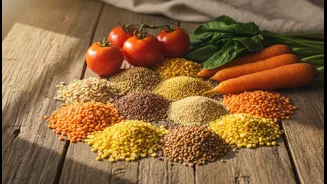
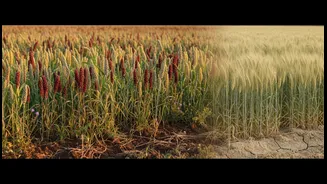
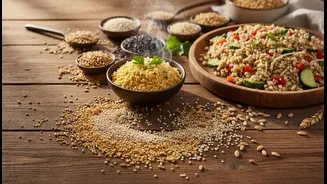
For thousands of years, India has cultivated grains and vegetables that are nutritional giants in their own right. Millets, for instance, were a staple for centuries before being pushed aside. Finger millet (ragi) offers nearly seven times the calcium of quinoa. Pearl millet (bajra) provides almost three times the iron, a crucial nutrient in a country where anaemia is a significant public health concern. Similarly, the humble drumstick leaf (moringa) is a powerhouse of vitamins and iron, amaranth (rajgira) is a protein-rich grain with more calcium than many others, and Indian gooseberry (amla) is packed with Vitamin C. These foods are not just nutritionally comparable; in key areas like calcium and iron content, they are often superior to their expensive, imported counterparts.
More Than Just a Health Choice
Choosing local foods over imported novelties is not just a nutritional decision; it's an economic and environmental one. Opting for locally grown produce supports Indian farmers and strengthens the local economy, keeping money within the community. It also significantly reduces food miles—the distance food travels from farm to plate—which lowers the carbon footprint associated with transportation. Embracing a wider, traditional food basket helps preserve agricultural biodiversity. The over-reliance on a few heavily marketed crops, often imported, can lead to monocropping and a loss of the rich variety of indigenous plants that are better suited to local climates and soils. This shift also protects indigenous communities who have traditionally relied on these foods, which can become over-harvested and unaffordable when they become trendy in cities.
Rethinking Your Plate, One Meal at a Time
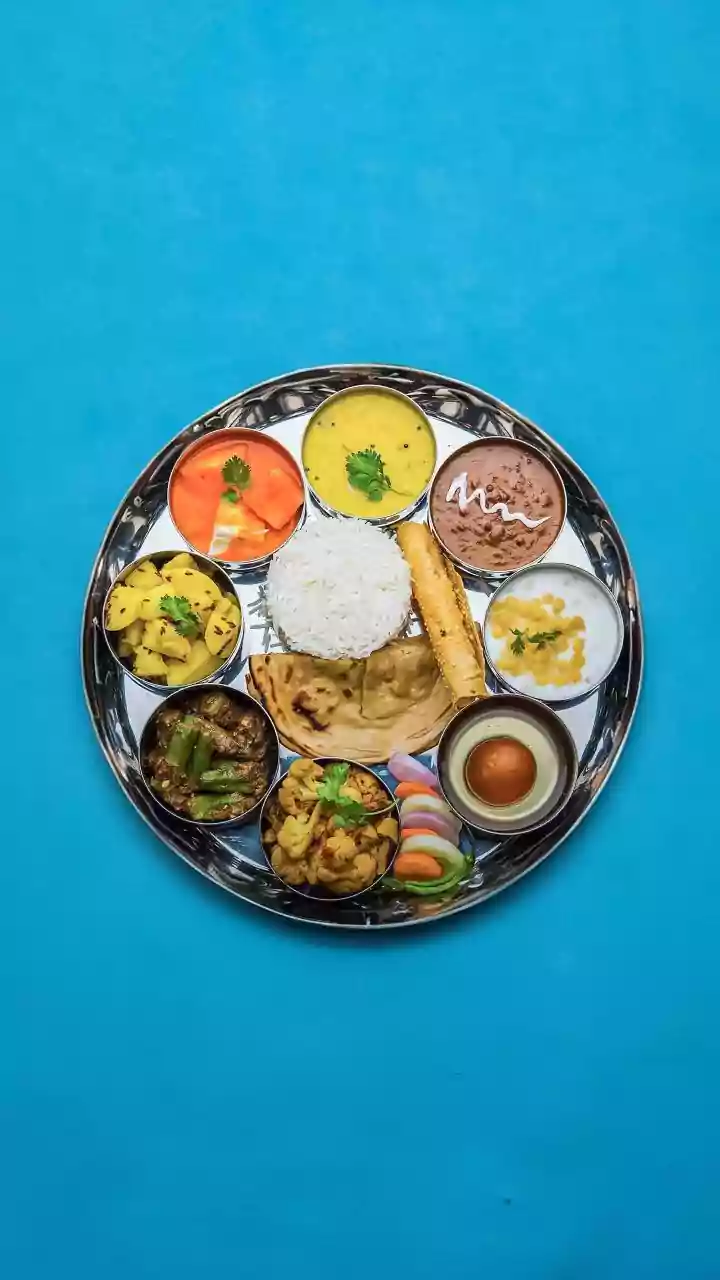
Making the switch doesn't require a complete dietary overhaul. It begins with a change in mindset. Instead of asking what’s trendy, ask what's nutritious, what's local, and what's in season. Start by exploring the humble ingredients in traditional Indian cuisine. Reintroduce millets like jowar, bajra, and ragi into your diet. A simple ragi dosa or a bajra khichdi can be far more beneficial than a bowl of imported grain. When you hear about a new superfood, look up its nutritional profile and compare it to a local equivalent. You might be surprised to find that amaranth seeds are a fantastic substitute for quinoa, or that flaxseeds (alsi) offer a similar omega-3 punch as chia seeds. The goal is to build a diet based on nutrient density—getting the most vitamins and minerals for your calories—rather than chasing the next fashionable ingredient.