






The Return of 'Kadha'
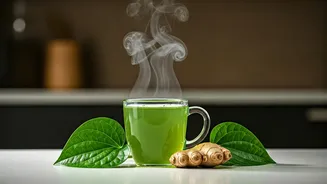
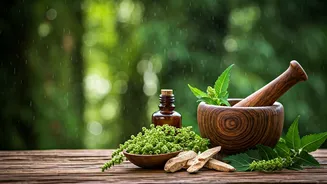
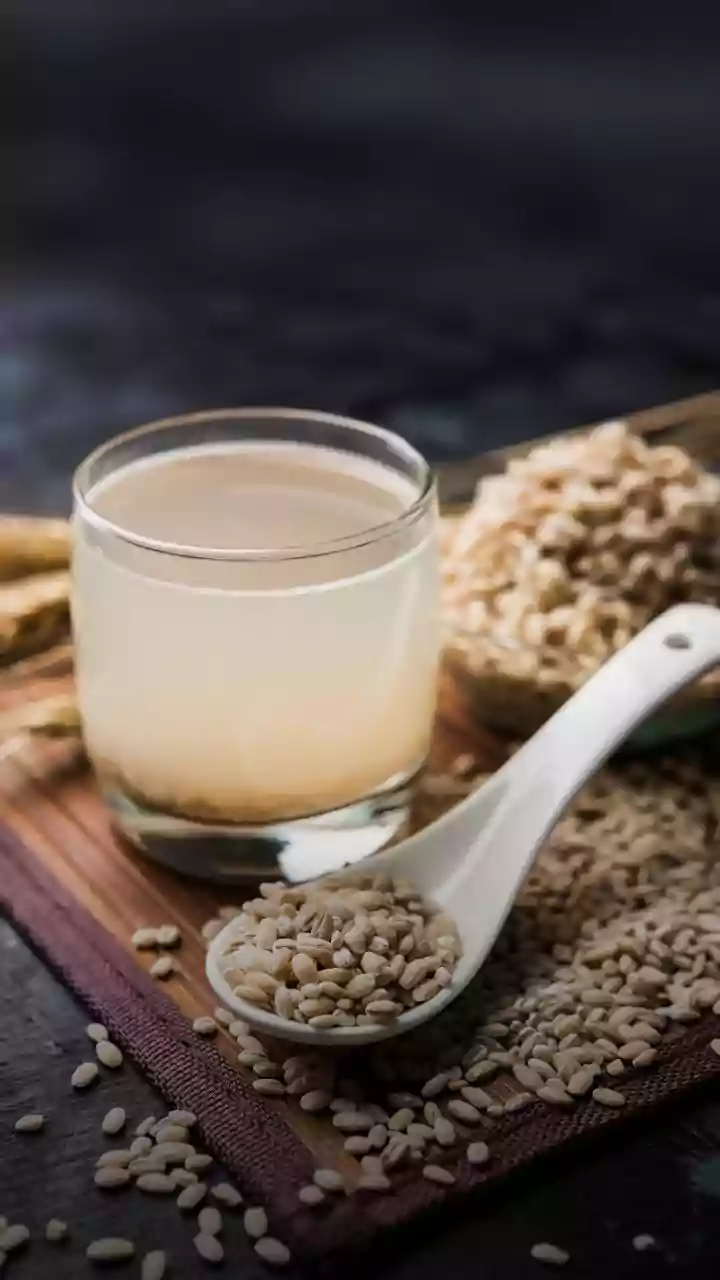
At the first sign of a sniffle, expect to see endless reels of simmering pots of 'kadha'. This traditional Ayurvedic concoction, typically made with ginger, tulsi, black pepper, and other spices, is celebrated as the ultimate immunity booster. The logic
is rooted in Ayurveda, which suggests that the monsoon season can aggravate the 'Vata' dosha, leading to digestive issues and lower immunity. The warming properties of kadha are believed to counteract this. While nutritionists agree that these spices have anti-inflammatory and antioxidant benefits that can help soothe a sore throat or a cold, it’s not a magic cure. The key is moderation. Overconsumption, especially of heat-inducing ingredients, can sometimes lead to acidity or digestive discomfort. So, enjoy a warm cup, but don't treat it as a replacement for a balanced diet or medical advice.
The 'Light and Warm' Diet
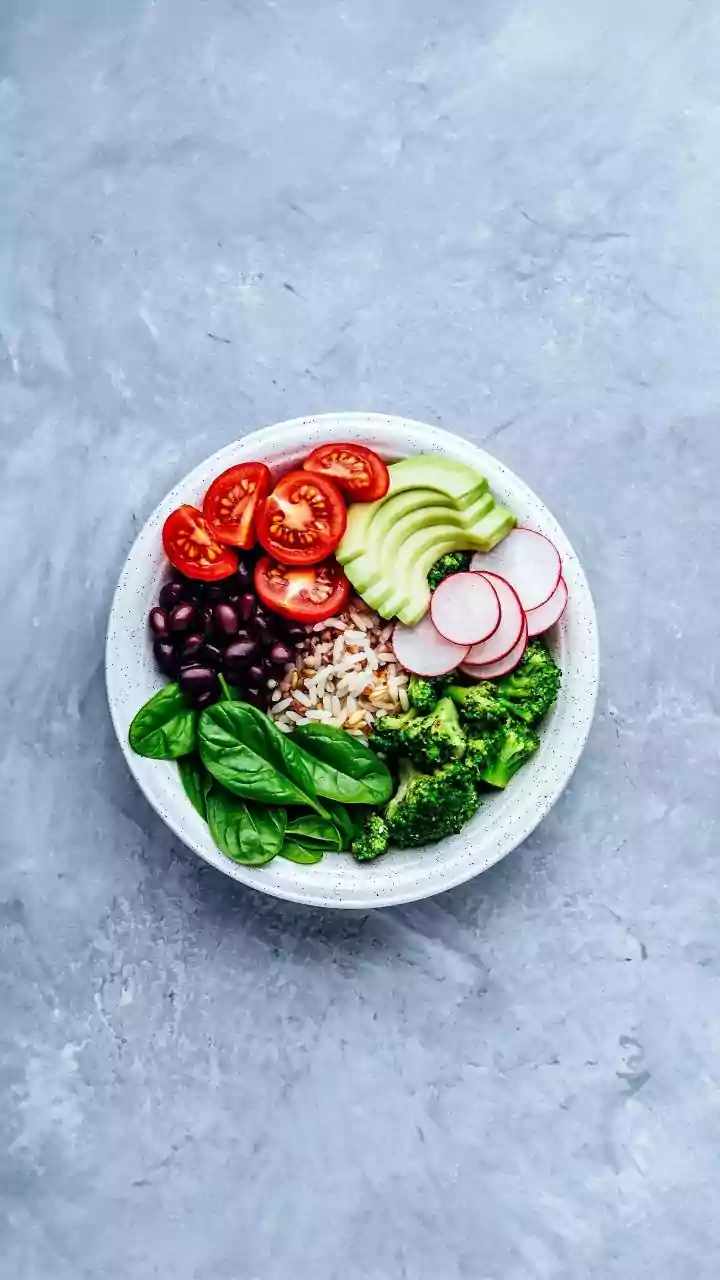
Scroll through Instagram and you’ll find influencers ditching raw salads for steamed vegetables and heavy curries for light soups. The ‘monsoon diet’ trend is all about eating cooked, warm, and easily digestible foods. This includes seasonal vegetables like lauki (bottle gourd) and parwal (pointed gourd), alongside staples like moong dal. There’s sound reasoning behind this. The high humidity during the monsoon can slow down our digestive system, making it harder to process heavy or raw foods. Furthermore, the risk of water-borne contaminants is higher, making cooked food a safer bet. Many posts will also advise against leafy greens, which can harbour dirt and germs. While washing them thoroughly is usually sufficient, sticking to well-cooked meals is a practical way to support your gut health during this season.
Humidity-Proof Skincare
That sticky, humid feeling isn't just uncomfortable—it can wreak havoc on your skin, leading to clogged pores and breakouts. In response, social media is championing a shift in skincare routines. The trend is to swap heavy, oil-based moisturisers for lightweight, gel-based or water-based alternatives. You'll also see a rise in content promoting non-comedogenic products that don't block pores. Another crucial tip making the rounds is the continued use of sunscreen. It’s a common myth that you don’t need SPF on cloudy, overcast days. However, harmful UV rays can easily penetrate cloud cover. Dermatologists online are rightly emphasising that a broad-spectrum sunscreen is a non-negotiable part of a year-round skincare routine, monsoon included.
Cosy Indoor Workouts
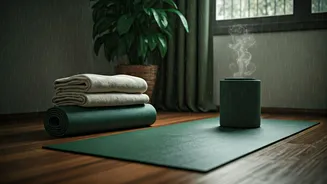
When the rain makes your morning run or outdoor yoga session impossible, what do you do? Turn to social media, of course. The monsoon sees a huge spike in searches for ‘indoor workouts’. Fitness influencers fill this gap with everything from living room HIIT sessions and no-equipment strength training to calming yoga flows and energetic Zumba routines that you can follow along on your screen. This trend is less about a specific health benefit and more about practical adaptation. It’s a great reminder that your fitness goals don’t have to be washed away with the rain. Staying active boosts not only physical health but also mood, which can be particularly helpful during the grey, gloomy days of the monsoon.
Embracing 'Monsoon Mindfulness'
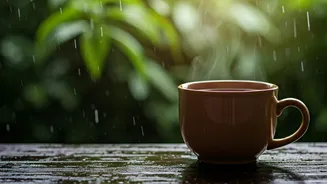
Perhaps the most wholesome trend is the one that celebrates simply being present. It’s the aesthetic of a cup of masala chai on a window sill, the sound of rain, a good book, and a cosy blanket. This isn't a complex wellness hack but a call to embrace 'hygge', the Indian way. It’s about romanticising the small joys and finding peace in the season’s unique atmosphere. In a world of complicated wellness routines, this trend serves as a reminder that sometimes the best thing for your well-being is to slow down, disconnect from the hustle, and simply enjoy the moment. It’s a timeless practice that social media has simply repackaged with a trending hashtag, and it’s one that’s hard to argue with.