






The Plateau of Personal Records
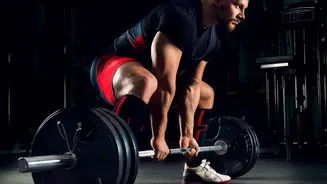
For many, the fitness journey is measured in kilograms lifted or seconds shaved off a run. Setting a new personal record is a powerful motivator, offering a clear benchmark of progress. But this single-minded focus has a downside. When progress inevitably
slows, motivation can plummet. Constantly pushing for heavier, faster, or more can also increase the risk of injury, as form breaks down under the pressure to hit a new number. This narrow definition of success can make training feel like a chore, a high-stakes performance where anything less than a new PR feels like a failure. This mindset can undermine the very reason many of us start training: to feel better, not more stressed.
Redefining Strength Through Tasks
Enter task-based goals, a philosophy better known as functional fitness. This approach redefines strength not by the weight on a barbell, but by your ability to perform real-world activities with ease and confidence. Instead of focusing on your one-rep max for a deadlift, a task-based goal might be to carry all your groceries from the car in one trip, lift your child without straining your back, or complete a challenging hike with friends. These goals are built on what are often called 'process goals'—focusing on the actions and behaviours that lead to improvement, rather than just the final outcome. This shifts the focus from an abstract number to a tangible, personally meaningful achievement.
The Real-World Benefits
Adopting task-based goals brings a wealth of benefits that extend far beyond the gym. Firstly, it makes training inherently more practical. By mimicking everyday movements, you build strength that directly translates to a more capable and resilient body. This approach, known as functional training, improves coordination, balance, and core stability all at once, which can significantly reduce the risk of injury during daily life. Psychologically, the shift is profound. Process-oriented goals are linked to greater self-confidence and reduced anxiety compared to outcome-based goals like PRs. Achieving the ability to perform a new skill or task provides a different, often more satisfying, sense of accomplishment.
Putting Task-Based Goals into Practice
Getting started is simpler than you might think. Begin by identifying a task you want to be able to do. Maybe you want to master a perfect, unassisted pull-up. Perhaps you want the stamina to garden for an entire afternoon without back pain. Or maybe your goal is to be able to move a new piece of furniture without help. Once you have your task, you can work backward to create a training plan. A pull-up goal would require exercises that build back and bicep strength, like lat pulldowns and inverted rows. Improving your gardening endurance would benefit from core exercises, squats, and farmer's carries. The key is to choose movements that build the specific strengths your goal demands.
Your New Measure of Success
This approach doesn't mean you have to abandon personal records entirely. They can still be a useful tool for motivation and tracking progress. However, by making them a secondary focus, you free yourself from the pressure of constant linear progression. Instead, your primary measure of success becomes your growing capability. Can you do something today that you couldn't do a month ago? Does your body feel more competent and prepared for life's physical demands? This holistic view of strength fosters a healthier, more sustainable relationship with fitness, where the reward is not just a number on a spreadsheet, but a richer, more active life.