





The Anatomy of a Craze
In an age of endless options, the sight of a lengthy queue often serves as a powerful magnet. It signals that something inside is worth the wait, transforming a simple purchase into an event. This is the scene for roasted almond charcoal gelato, a dessert
that has become the latest star in the theatre of viral food trends. The line is a mix of curious foodies, dedicated social media creators, and groups of friends drawn in by the buzz. The atmosphere is less about impatience and more about shared anticipation. A long wait can build a sense of community and turn a solitary snack into a collective experience, where the queue itself becomes part of the story. In India, this reflects a growing appetite for novel culinary experiences, where dishes trending online quickly translate to real-world footfall.
What Exactly Is Charcoal Gelato?
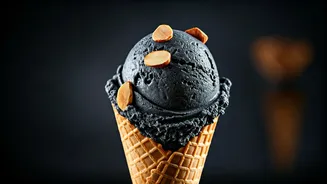
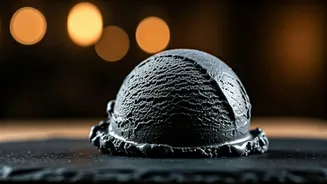
The secret behind the gelato's dramatic, goth-inspired colour is activated charcoal. This ingredient, typically derived from coconut shells or bamboo, is processed to become highly porous. While it has a history of use in medicine for its ability to absorb toxins, in the culinary world its primary role is aesthetic. It imparts a deep, matte black colour that provides a stunning visual contrast to typical desserts. The flavour of the charcoal itself is neutral; it's mostly tasteless and odourless. Some describe a slightly earthy or smoky taste, but its main purpose is to be a canvas. The actual flavour of this particular gelato comes from the other ingredients—in this case, the rich, nutty notes of roasted almonds, which are often infused into the creamy milk base.
A Question of Taste and Texture
So, what does it taste like? The experience is a study in contrasts. The deep, toasty flavour of the almonds provides a familiar comfort, while the visual drama of the black colour suggests something more exotic. Most of the taste comes from the gelato's vanilla or coconut base, allowing the almond to be the star. The activated charcoal’s main contribution is to the texture, which some describe as slightly gritty or sandy, though this can vary depending on how finely the charcoal is milled. For many, the unique mouthfeel is part of the appeal. It's a dessert that engages more than just the taste buds, making the eater acutely aware of its unusual composition. The goal isn't just to taste good, but to be memorable.
The Instagram Effect
It’s impossible to separate the charcoal gelato trend from the influence of social media. Its striking, monochromatic look is tailor-made for Instagram feeds and TikTok videos, standing out in a sea of colourful foods. Food creators and cafes in cities like Hyderabad and Delhi have noted that the primary question for a new menu item is often, "will this stop someone from scrolling?" Charcoal gelato is the perfect answer. The dramatic visuals drive curiosity and create a sense of FOMO (fear of missing out), compelling people to seek it out, capture their own photo, and share it. This cycle of online discovery and real-world pilgrimage is reshaping Indian food culture, with viral trends directly impacting what restaurants serve and how customers find them.
Is It Worth the Wait?
The answer to this question is deeply personal and speaks to the psychology of queuing. For some, the wait itself adds value to the experience. The time invested builds anticipation, which can make the final reward feel more satisfying. Psychologists explain that being part of a popular trend provides a sense of belonging and even bragging rights. The gelato might be delicious, but the experience is about more than flavour. It's about participating in a cultural moment. However, it’s worth noting that activated charcoal can have side effects. Because it's so absorbent, it can bind to nutrients and medications in your stomach, potentially making them less effective. Medical experts advise that while a small amount in a dessert is likely safe for most, those on regular medication should be cautious. Ultimately, the queue for charcoal gelato is a line for an experience—a blend of taste, novelty, and social currency.