




Why Five Minutes Is a Game-Changer
The idea that a workout must be long to be effective is a common myth that stops many people from even starting. However, research shows that short bursts of activity, often called 'movement snacks' or 'micro-workouts', offer significant physical and
mental health benefits. Studies have shown that even five-minute sessions can help improve cardiovascular health, regulate blood sugar, and lower blood pressure. These short routines release endorphins, boosting your mood and improving mental clarity. The most crucial benefit is consistency. A five-minute daily commitment is far more sustainable than a one-hour workout you only do once a month. It’s about building a habit that sticks, proving that small, repeated actions add up over time.
Your Five-Minute Exercise Menu
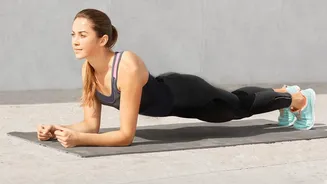
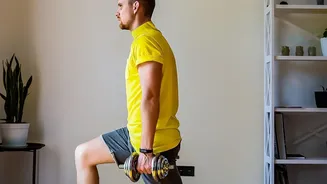
The best routine is one you’ll actually do, so choose movements you don’t mind repeating. No equipment is necessary for a highly effective session. Focus on compound bodyweight exercises that work multiple muscle groups at once. Here are a few options to mix and match: Bodyweight Squats: Stand with feet shoulder-width apart and lower your hips as if sitting in a chair, keeping your chest up. This works your quads and glutes. Modified Push-ups: Perform push-ups on your knees or against a wall to build upper body and core strength without excessive strain. Lunges: Step forward with one leg and lower your hips until both knees are bent at a 90-degree angle. Alternate legs to work your lower body and improve balance. Plank: Hold a push-up position, keeping your body in a straight line from head to heels. This is a fantastic exercise for core stability. Jumping Jacks: A simple way to get your heart rate up quickly. It provides a full-body cardio boost. Glute Bridges: Lie on your back with knees bent and lift your hips toward the ceiling, squeezing your glutes. This targets your posterior chain.
How to Structure Your Routine
Simplicity is key. Don't overcomplicate your five minutes. A great way to start is by choosing three to four exercises and performing each one for a set amount of time or number of repetitions. For example, you could perform each exercise for 60 seconds with a small rest in between. A balanced sample routine might look like this: - Minute 1: Jumping Jacks (Cardio) - Minute 2: Bodyweight Squats (Lower Body Strength) - Minute 3: Wall Push-ups (Upper Body Strength) - Minute 4: Plank (Core Stability) - Minute 5: Gentle Stretching As you get more comfortable, you can increase the intensity or swap in different exercises to keep things interesting. The goal isn't to exhaust yourself, but to move your body consistently and build momentum.
Making the Habit Stick
The hardest part of any new routine is making it automatic. This is where 'habit stacking' comes in. The principle is simple: link your new five-minute workout to an existing, established habit. The formula is: 'After I [CURRENT HABIT], I will [NEW HABIT]'. For example: 'After I brush my teeth in the morning, I will do my five-minute exercise routine.' Or, 'While I wait for my morning coffee to brew, I will do two minutes of squats and stretches.' This strategy works because it removes the mental load of deciding when to exercise. The existing habit acts as a trigger. Start small and be patient with yourself. Research suggests it can take over two months for a new behaviour to become automatic. Don't get discouraged if you miss a day; just get back on track the next.