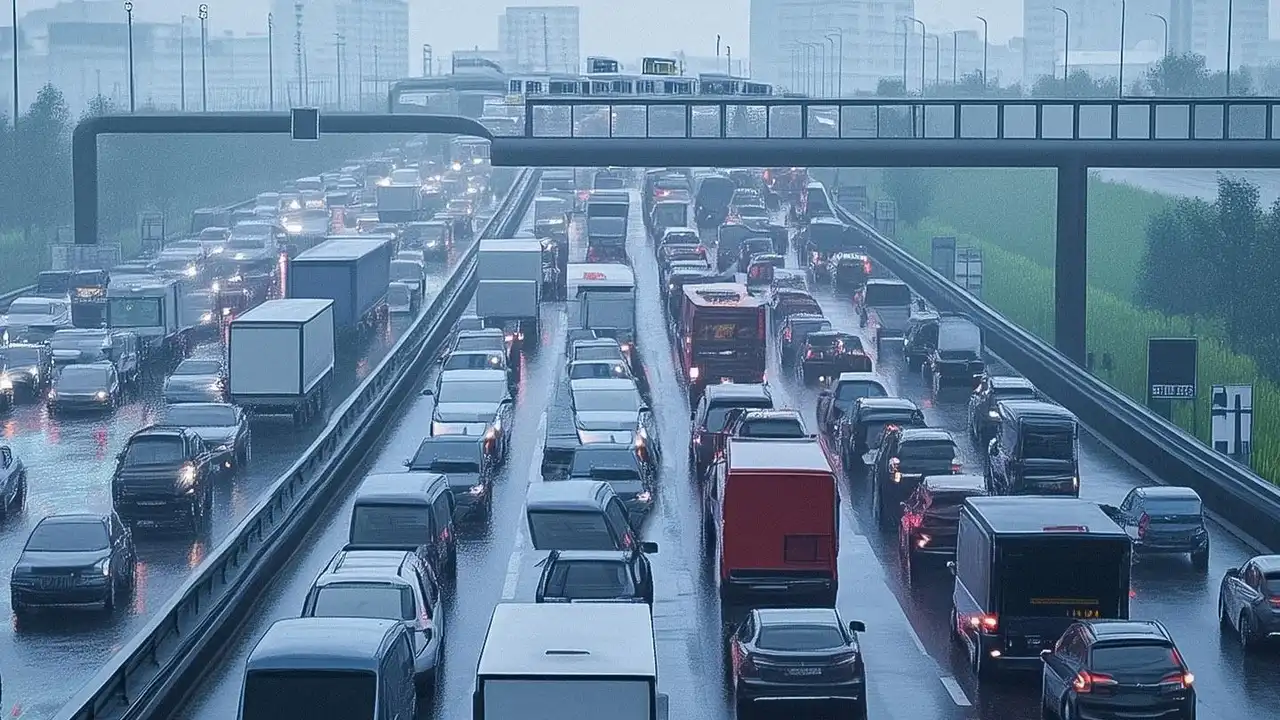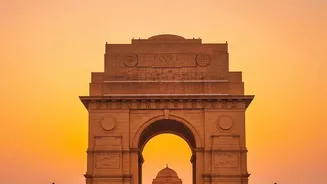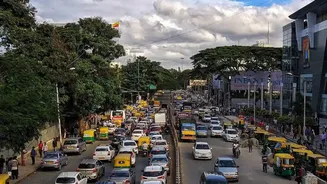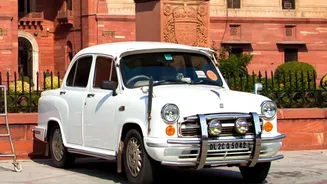

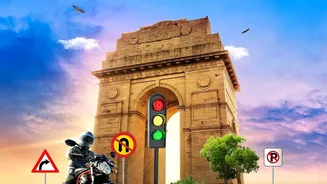
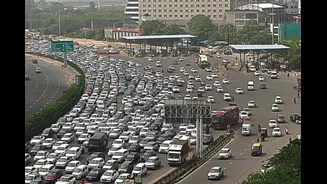
As winter approaches, Delhi is bracing for its annual battle with severe air pollution. This year, authorities are rolling out a pre-emptive strike: from November 1, strict new rules will bar many out-of-state vehicles from entering the capital.
What Exactly Is Changing on November 1?
Starting
November 1, 2026, and lasting until January 31, 2027, Delhi will prohibit the entry of certain vehicles registered outside the capital. Specifically, the ban targets all non-BS-VI compliant petrol and diesel vehicles. This means if you own a petrol or diesel car, truck, or bus that is registered in a neighbouring state like Haryana or Uttar Pradesh and it only meets BS-III, BS-IV, or older emission standards, it will not be allowed to enter Delhi. This proactive measure is part of the city's broader Winter Action Plan, designed to prevent the air quality from plummeting to hazardous levels. The enforcement will be strict, with transport department teams and police deployed at border points.
Why Is This Happening Now?
This isn't a sudden decision but a scheduled component of Delhi's fight against winter smog. The measures are part of the Graded Response Action Plan (GRAP) framework, which is a set of emergency responses that kick in as air quality deteriorates. However, this specific vehicle ban is a date-fixed part of the Winter Action Plan, implemented proactively rather than waiting for air quality to hit 'Severe' levels. The Commission for Air Quality Management (CAQM), the statutory body overseeing air pollution management in the NCR, has directed these actions to tackle one of the biggest sources of pollution: vehicular emissions. With winter's meteorological conditions trapping pollutants close to the ground, reducing the number of high-emission vehicles on the road is seen as a critical step.
Who Is Most Affected by This Rule?
The rule directly impacts a vast number of daily commuters and commercial vehicle operators from NCR towns like Gurugram, Noida, Ghaziabad, and Faridabad who travel into Delhi for work. Transport department estimates suggest that over a million vehicles in these satellite cities do not meet the BS-VI standard. For instance, Gurugram and Faridabad have nearly two lakh such vehicles, while Noida, Greater Noida, and Ghaziabad collectively account for approximately eight lakh non-BS-VI vehicles. Commuters who own older petrol and diesel cars will need to find alternative transport, and businesses relying on non-compliant commercial goods vehicles will have to adjust their logistics.
Are There Any Exemptions?
Yes, the directive includes several important exemptions. The ban does not apply to any vehicles running on Compressed Natural Gas (CNG) or electric vehicles (EVs), regardless of their registration state. Vehicles engaged in essential services, such as ambulances and fire trucks, are also permitted entry. Furthermore, the rule specifically targets vehicles registered outside Delhi. Cars and trucks that are BS-VI compliant are free to enter the city. This means if your outstater vehicle is a newer model that meets the BSVI emission norms, or if it's an EV or CNG vehicle, you will not be affected by this particular ban.
How Will the Ban Be Enforced?
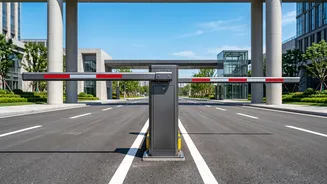
Authorities are planning robust enforcement at all major entry points into Delhi. Around 300 personnel from transport department enforcement teams will be deployed at the borders. Technology will play a key role, with AIpowered Automatic Number Plate Recognition (ANPR) cameras being used to scan licence plates and automatically flag noncompliant vehicles. This will be supplemented by physical checks by police and transport officials. Noncompliant vehicles will be stopped and diverted at the border itself to prevent them from entering Delhi and adding to traffic congestion and pollution. Prominent display boards are also being installed to inform motorists of the restrictions before they reach the checkpoints.
What Should Commuters Do?
If you regularly drive a nonBSVI petrol or diesel vehicle registered outside Delhi,' it's crucial to plan ahead.' First,' verify your vehicle's emission standard.' You can do this by checking your vehicle's Registration Certificate or using the online VAHAN database.' If your vehicle is affected,' you will need to find alternatives.' These could include using public transport like the Delhi Metro,' carpooling with someone who owns a compliant vehicle,' or using appbased taxi services.' Some commuters are reportedly planning to park their noncompliant cars at the border and use other transport for the last mile.' Given the significant fines for noncompliance and the inconvenience of being turned away,' checking your vehicle's status now is essential.