




Welcome to the 'Green Paradise'
For most Americans, the name Wayanad likely draws a blank. Tucked away in the southern state of Kerala, this elevated district is the heart of the Western Ghats, a mountain range so ecologically vital it’s recognized as a UNESCO World Heritage Site. Often
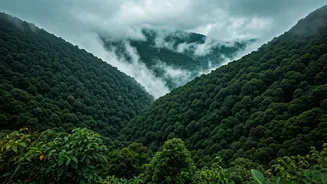
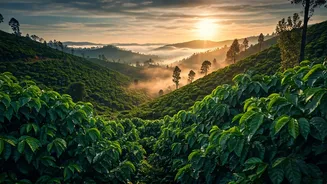
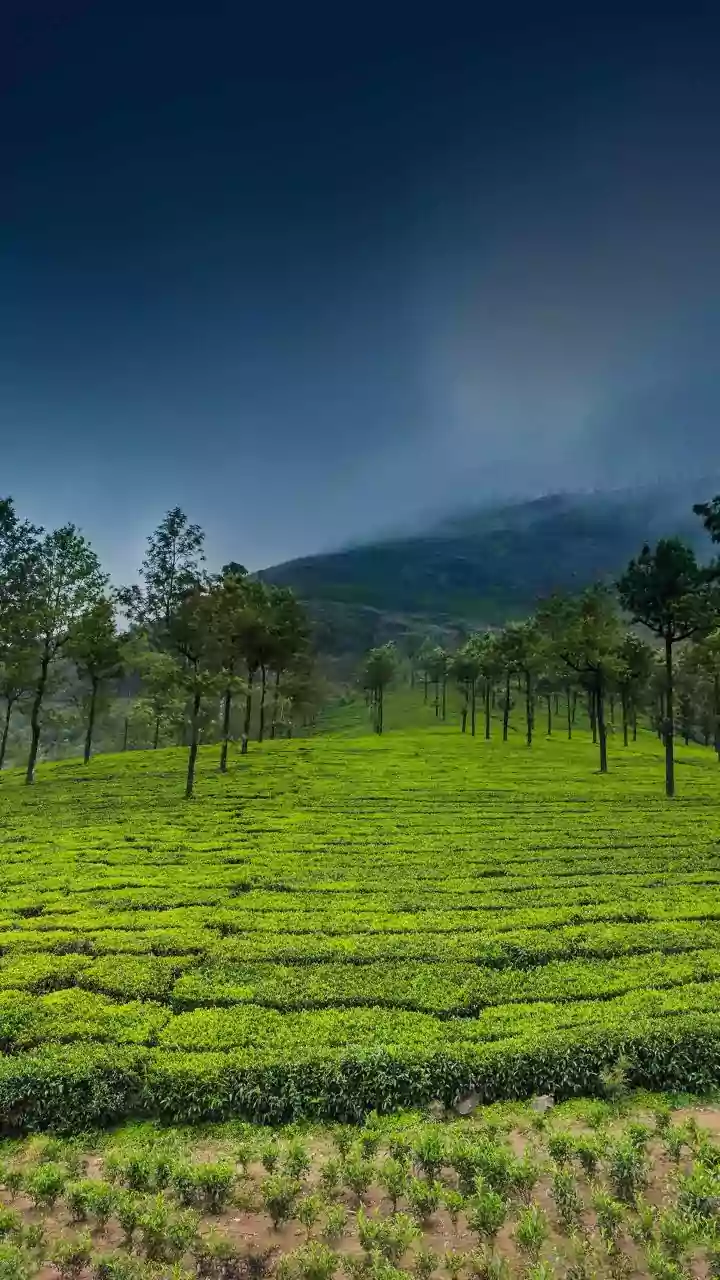
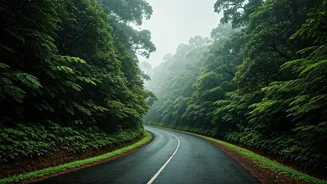
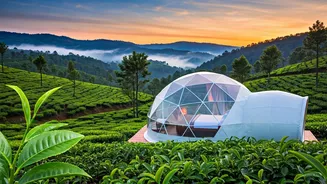
called the ‘Green Paradise,’ Wayanad isn’t a single city but a sprawling, rural landscape of spice plantations, dense forests, and mist-covered peaks. And when the annual monsoon rains arrive, transforming the region into a super-saturated wonderland, a unique trekking season begins. Local forest departments and eco-tourism groups open up guided trails that are often inaccessible the rest of the year, offering a rare window into one of the planet's most biodiverse hotspots.
Hiking in the Heart of the Monsoon
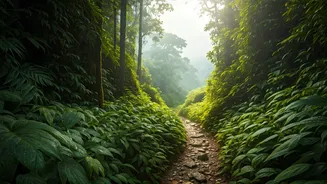
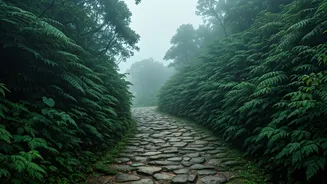
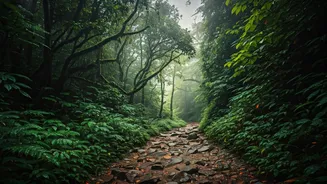
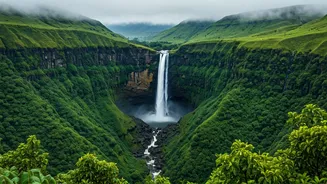
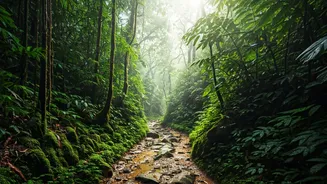
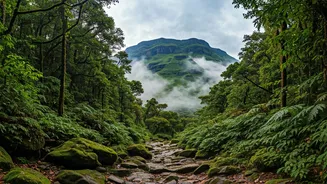
Trekking here isn’t about conquering summits for panoramic photos of a clear blue sky. It’s an immersive, sensory experience. The trails, often muddy and slick, wind through landscapes pulsating with life. The soundtrack is the constant drumming of rain on broad-leafed canopies, the rush of newly formed waterfalls, and the calls of exotic birds. The air is thick with the smell of wet earth, blooming ginger, and cardamom from nearby plantations. Leeches are a near-certainty, a small price for admission to this raw, untamed spectacle. Trekkers come prepared with waterproof gear not to fight the rain, but to embrace it. It’s the rain that makes the forests come alive, turning every leaf a vibrant, almost fluorescent green and filling the rivers that carve through the valleys.
More Than Just a Walk in the Woods
The 'eco' in 'eco-trek' is taken seriously in Wayanad. These aren't casual strolls; they are structured journeys into protected forest reserves, almost always led by trained guides from local tribal communities or the Kerala Forest Department. This model serves a dual purpose: it provides sustainable livelihoods for indigenous populations who have known these forests for generations, and it ensures the fragile ecosystem is respected. Trekkers are educated on the unique flora and fauna, from the elusive Malabar giant squirrel leaping between trees to the majestic flight of a Great Hornbill. The focus is on observation, not disruption. Plastic is strictly forbidden on many trails, and the group sizes are kept small to minimize impact, making the experience feel intimate and deeply connected to the principles of conservation.
Trails for Every Kind of Adventurer
While the conditions are challenging, the treks themselves vary in difficulty. The most iconic is the climb to Chembra Peak, the highest point in Wayanad. The journey culminates at a breathtaking heart-shaped lake, a perennial water source surrounded by rolling grasslands. For bird enthusiasts, a trek to Pakshipathalam offers a chance to explore deep caves that are home to a wide variety of bird species. Other popular routes include expeditions to Soochipara Falls, a three-tiered waterfall you can hear long before you see it, or the ancient Edakkal Caves, which require a steep climb but reward visitors with prehistoric rock carvings dating back thousands of years. Each trail offers a different narrative, a different slice of the Western Ghats' natural and historical tapestry.