







The Allure of Ancient Wisdom
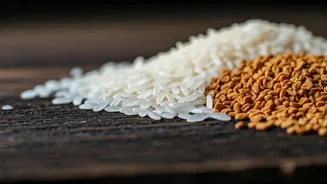
The trend of embracing natural, time-tested remedies is more than just a passing fad; it’s a return to traditions that have nourished skin and hair for centuries. From Korean beauty rituals to age-old Indian practices, the combination of rice water and fenugreek
(methi) is gaining widespread attention. These ingredients represent a shift towards sustainable, affordable, and accessible beauty. Instead of relying on products with long, confusing ingredient lists, people are rediscovering the power locked within these simple household staples. The appeal lies in their rich history and the generations of women who have vouched for their efficacy long before they became viral sensations online.
Rice Water: A Tradition of Strength and Shine
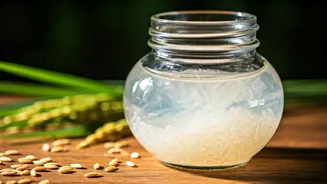
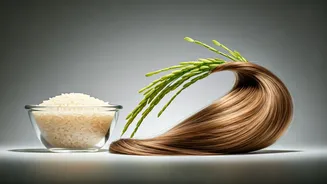
Used for centuries by women in China, Japan, and Southeast Asia, rice water is the starchy liquid left over after soaking or boiling rice. It’s packed with nutrients, including amino acids, B vitamins, vitamin E, and minerals. One key component is inositol, a carbohydrate that is believed to penetrate damaged hair, repair it from within, and protect it from future harm. For hair, this translates to reduced breakage, increased elasticity, and a smoother, shinier appearance. For skin, rice water is praised for its soothing and anti-inflammatory properties. It can help calm irritated skin, tighten pores, and even out skin tone.
How to Prepare and Use Rice Water
Making your own rice water is simple. The easiest method is soaking. Start by rinsing half a cup of any type of uncooked rice to remove impurities. Then, place the clean rice in a bowl with two to three cups of water and let it soak for at least 30 minutes, or up to 24 hours. Afterwards, strain the milky water into a clean container. For a potentially more potent version, you can let the water sit at room temperature for a day or two to ferment, which may increase its antioxidant levels. To use it as a hair rinse, first shampoo and rinse your hair as usual. Then, pour the rice water over your hair and massage it into your scalp and strands. Let it sit for up to 20 minutes before rinsing thoroughly with warm water. For skin, you can apply it with a cotton pad as a gentle facial toner after cleansing.
Fenugreek: The Seed of Scalp Health
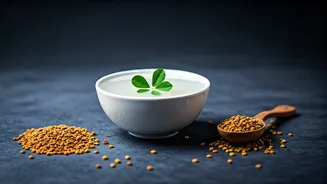
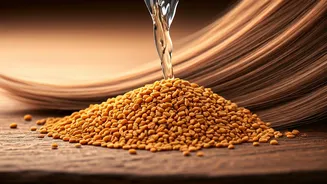
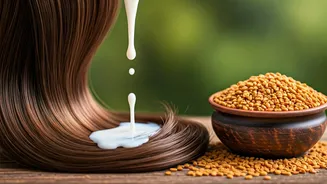
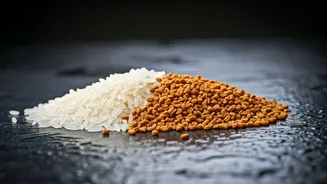
Fenugreek, or methi, is a cornerstone of Ayurvedic tradition, celebrated for its extensive benefits for hair. These small, amber-colored seeds are a powerhouse of iron, protein, and nicotinic acid, which are vital for healthy hair growth. They also contain flavonoids and saponins, compounds with anti-inflammatory and antifungal properties that help maintain a healthy scalp. Regular use of fenugreek is believed to combat dandruff, reduce hair fall, strengthen hair from the roots, and add a natural lustre. The seeds also have a high mucilage content, which acts as a natural conditioner, leaving hair soft, detangled, and less frizzy. For skin, fenugreek’s antioxidant properties can help with cleansing and moisturizing.
How to Prepare and Use Fenugreek
A fenugreek hair mask is a popular and effective treatment. To make it, soak two to three tablespoons of fenugreek seeds in water overnight. The next morning, grind the softened seeds into a smooth, consistent paste, adding a little water if needed. You can enhance this mask by mixing the paste with other nourishing ingredients like plain yogurt for conditioning, or coconut oil for added moisture. Apply the paste generously to your scalp and hair, from roots to tips. Let it sit for 30 to 45 minutes before washing it out with a mild shampoo. You may need to rinse thoroughly to remove all the seed particles.
A Word of Caution
While natural, these ingredients may not be suitable for everyone. Rice water has a high protein content, which can lead to dryness and brittleness, a condition known as "protein overload," especially in hair with low porosity. It's best to start by using a rice water rinse just once a week and see how your hair responds. Overusing it or leaving it on for too long can sometimes do more harm than good. Fenugreek has a distinct, strong scent that some find unpleasant. As with any new product, it’s always wise to perform a patch test on a small area of skin before applying it more widely to check for any allergic reactions or irritation.