



What is This Cosmic Dust?
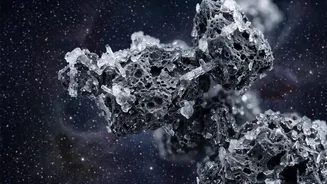
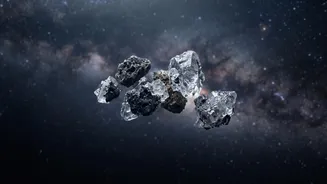
The dust consists of tiny particles, many smaller than the width of a human hair, known as interplanetary dust particles (IDPs). They are shed by comets, asteroids, and other small bodies as they orbit the Sun. A major source of this material is the Kuiper
Belt, a vast, icy region beyond the orbit of Neptune where countless small bodies, remnants from the solar system's formation, reside. Collisions between these objects, or even their slow erosion over billions of years, releases a steady stream of dust that drifts toward the inner solar system, eventually reaching Earth.
Time Capsules from the Solar System's Birth
So why go to the trouble of collecting what is essentially space dust? Because these particles are pristine relics from over 4.5 billion years ago. Unlike rocks on Earth, which have been endlessly recycled by geological processes, this dust has been preserved in the cold, stable environment of deep space. Each grain is a tiny time capsule that can contain clues about the materials that formed our planets, the origins of water, and even the organic molecules that could have played a role in the beginning of life on Earth. Recent analysis of such particles has already provided compelling evidence of a vast reservoir of 'heavy' water in the outer solar system.
The Challenge: A Needle in a Haystack
While thousands of tonnes of this material arrive annually, finding it is incredibly difficult. Once the dust settles on the ground, it becomes hopelessly mixed with terrestrial pollution, soil, and industrial particulates. To get a clean, uncontaminated sample, scientists must catch the particles before they complete their journey to the surface. The solution is to go up and meet them in the cleanest environment available: the stratosphere, a dry, stable layer of the atmosphere far above the clouds and weather.
Meet NASA's High-Flying Dust Collector
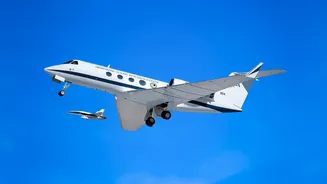
This is where NASA's specialized aircraft come in. The agency has long used high-altitude planes like the ER-2, a civilian version of the famous U-2 spy plane, for this task. The ER-2 can fly at altitudes above 70,000 feet, soaring into the thin air of the stratosphere. At this height, the aircraft is above more than 95% of Earth's atmosphere, in a realm where extraterrestrial particles are far more common than their terrestrial counterparts. This makes it the perfect platform for cosmic dust hunting.
How to Catch a Speck of Stardust
Catching these microscopic particles at high speed is a delicate operation. The ER-2 is equipped with special collection pods mounted under its wings. These pods contain collectors, which are essentially small plates coated in ultra-clean silicone oil or other sticky substances. During a collection flight, the pilot opens the pods to expose the collectors to the stratospheric air. As the aircraft flies, interplanetary dust particles impact the sticky surface and are captured. At the end of the flight, the collectors are retracted into their sealed containers, protecting the priceless samples for analysis by scientists back in the laboratory.
What We Learn from These Tiny Grains
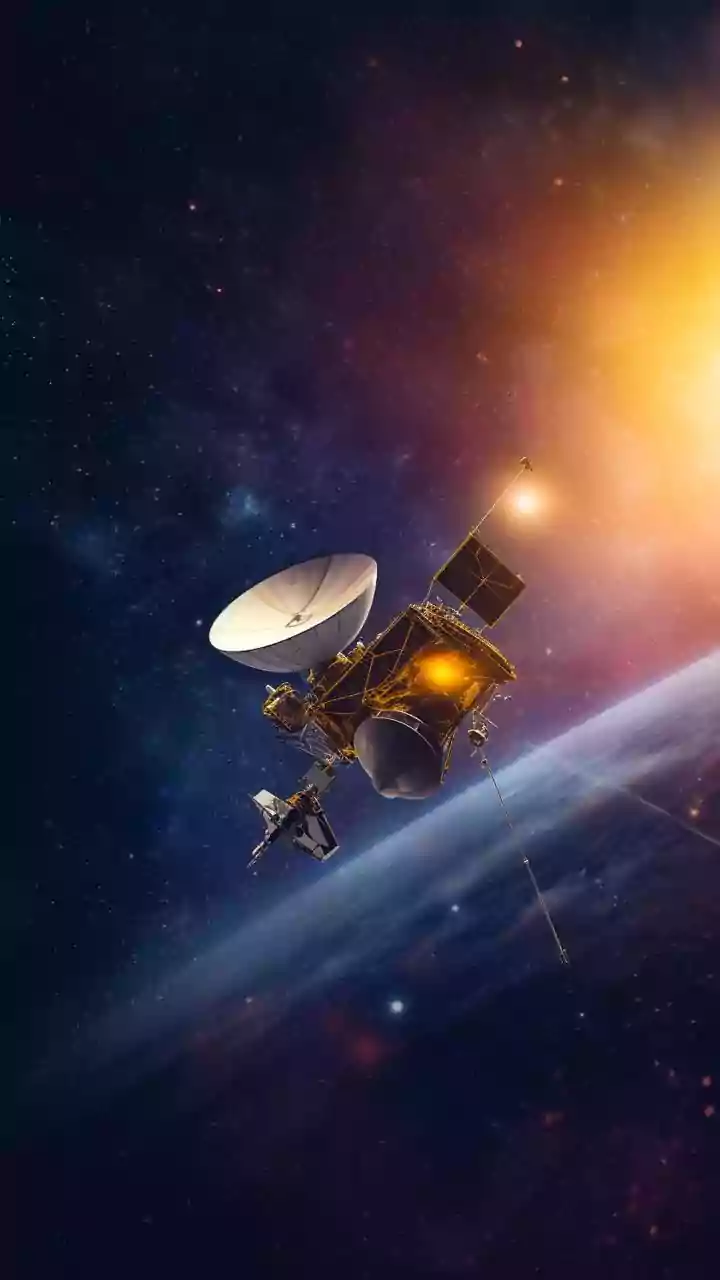
Back on Earth, scientists meticulously extract the particles for study with powerful microscopes. By analysing their composition, structure, and isotopic makeup, they can unlock the stories these grains have to tell. The findings help refine our models of how planetary systems form and evolve, not just our own but those around other stars. Recent data from spacecraft like New Horizons even suggest the Kuiper Belt might be much larger than previously thought, meaning there's a lot more of this ancient dust out there than our models predicted. Each particle adds another piece to the grand puzzle of our cosmic origins.