

The Myth of the Perfect Posture
For decades, we’ve chased the ideal of a single, perfect sitting posture: back straight, knees at 90 degrees, feet flat. In reality, holding any one position for hours is a recipe for trouble, even a supposedly 'correct' one. This is known as static sitting,
and it's a major contributor to workplace discomfort. When you remain still, blood flow to your muscles is restricted, leading to fatigue and aches. Your spinal discs, which rely on movement to stay nourished, can suffer. The problem isn't sitting itself; it's staying frozen in place. The human body is designed for movement, and a rigid posture works against that fundamental need.
Embrace Dynamic Sitting
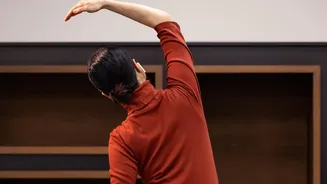
The antidote to static posture is dynamic sitting. This philosophy encourages frequent, small micro-movements throughout the day. Instead of a rigid frame, a good chair should act as an active partner, supporting you as you shift, lean, and adjust. These movements engage your core muscles, improve circulation to the brain and body, and reduce the strain on your lower back. The goal is to trade a single, fixed position for a continuous, fluid range of supported postures. A truly ergonomic chair facilitates this movement rather than preventing it. It's about finding a balance between support and freedom.
The Anatomy of a Supportive Chair
So, what transforms a simple seat into a tool for dynamic work? It’s not about having the most levers, but having the right ones that allow the chair to adapt to you. The key is adjustability. First, seat height is non-negotiable; your feet should rest flat on the floor with your knees at or slightly below hip level. Second, look for adjustable seat depth. There should be a small gap, about two to three fingers wide, between the front of the seat and the back of your knees to ensure good circulation. Third, effective lumbar support is crucial. It should fit the natural curve of your lower back, ideally with adjustments for both height and depth to provide tailored support. Finally, adjustable armrests help take the strain off your neck and shoulders, allowing your arms to rest at a comfortable 90-degree angle.
The Recline: Your Secret Weapon
One of the most underutilised features of a good office chair is the recline mechanism. Many people lock their chairs upright, but reclining is one of the best ways to practice dynamic sitting. Leaning back shifts your body weight, taking significant pressure off your lower spine. Look for a chair with a synchro-tilt mechanism, where the seat and backrest move together in a way that keeps your body in alignment. An adjustable tilt tension allows you to set the resistance so you can recline smoothly without feeling like you're going to tip over. The ideal recline isn't a nap position, but a slight angle of 100-110 degrees for reading or thinking, which can be far more comfortable than a rigid 90-degree posture.
Making the Right Choice for You
A high-quality ergonomic chair is an investment, but you don’t necessarily need the most expensive model to get the benefits. Focus on the core features: adjustable height, depth, lumbar support, and a good recline. Many people with different body types or job functions may need different types of chairs. Before you buy, if possible, try to test the chair. Sit in it, use the adjustments, and see how it feels. Consider looking into refurbished chairs from reputable dealers, which can offer high-end features at a fraction of the cost. Ultimately, the best chair is one that you can forget you're sitting in—one that moves with you and supports you through every task, shift, and recline of your workday.