





The Rise of the AI Reading Coach
In classrooms and homes, a new kind of teacher is logging on. It doesn't have a face or a physical presence, but it has an incredibly sharp ear. This is the world of AI-powered reading analysis, a rapidly growing sector within the educational technology
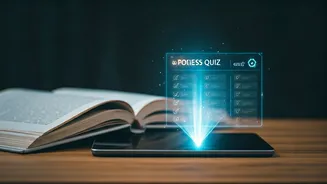
(EdTech) landscape. Companies are developing sophisticated artificial intelligence platforms that can listen to a child read aloud, analyse their performance in real time, and then generate customised quizzes and exercises based on what they heard. This technology moves beyond simple multiple-choice questions. It aims to diagnose and address the very mechanics of reading, from fluency and pronunciation to comprehension. The goal is to provide scalable, one-on-one literacy support that was previously impossible to deliver in a typical classroom setting.
How Does It Actually Work?
The core of this technology is advanced voice recognition married with machine learning. Here’s a simplified breakdown: a student reads a text passage into a device’s microphone—be it a tablet, laptop, or smartphone. The AI software gets to work instantly, transcribing the words and comparing them to the source text. But it goes much deeper than that. The AI analyses the student’s prosody (the rhythm and intonation of their speech), identifies hesitations, flags mispronounced words, and tracks the reading speed. It can even detect when a child self-corrects an error, a key indicator of an engaged reader. Based on this rich dataset, the system builds a dynamic profile of the student's specific reading strengths and weaknesses. The subsequent quiz isn't generic; it’s surgically precise, designed to reinforce a concept the child struggled with just moments before.
The Promise of Personalised Learning
For educators and parents, the potential benefits are enormous. In an Indian context, where teacher-student ratios can be dauntingly high, such technology could be a game-changer. It offers the kind of individualised attention that even the most dedicated teacher cannot provide to 30 or 40 students simultaneously. The AI can act as a tireless teaching assistant, flagging students who are falling behind and providing teachers with detailed data on class-wide and individual progress. This allows human teachers to focus their energy on more nuanced, high-impact interventions. For students, the experience is adaptive. They are no longer bored by material that’s too easy or frustrated by content that’s too hard. The AI keeps them in the 'zone of proximal development'—the sweet spot where learning is challenging but achievable—making the process more engaging and effective.
A Classroom Under Surveillance?
However, this innovation doesn't come without serious questions. The most pressing concern is data privacy. These platforms are collecting vast amounts of sensitive data, including the voices of young children. Where is this data stored? Who has access to it? How is it being protected from misuse or commercial exploitation? Beyond privacy, there are pedagogical and ethical considerations. Critics worry about algorithmic bias, where an AI trained on a specific accent might unfairly penalise students who speak differently. There is also the risk of over-reliance on technology, potentially devaluing the crucial human connection between a student and a teacher. Reading is not just a technical skill; it's a social and emotional journey. Can an algorithm truly replace the warmth and encouragement of a teacher or parent reading a story together with a child?
The Indian Context and the Path Forward
For India, with its burgeoning EdTech market and the National Education Policy's focus on foundational literacy and technology integration, these AI tools present a powerful opportunity. They could help bridge learning gaps in remote areas and provide quality support at an unprecedented scale. However, implementation must be thoughtful. It cannot be a tool that widens the digital divide, accessible only to those who can afford the devices and data plans. Policymakers and school systems must establish strong data privacy regulations and ethical guidelines before any wide-scale adoption. The technology should be seen as a supplement to, not a replacement for, qualified human teachers. The goal is to empower educators with better tools, not make them obsolete.