





From Shelter to Sanctuary
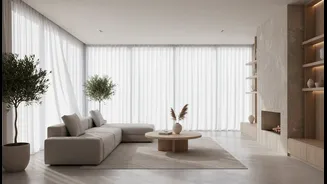
For decades, home design was primarily a visual pursuit. Today, a significant shift is underway, moving from purely aesthetic concerns to a holistic focus on wellness. Our homes are being reimagined as sanctuaries that actively support our physical and
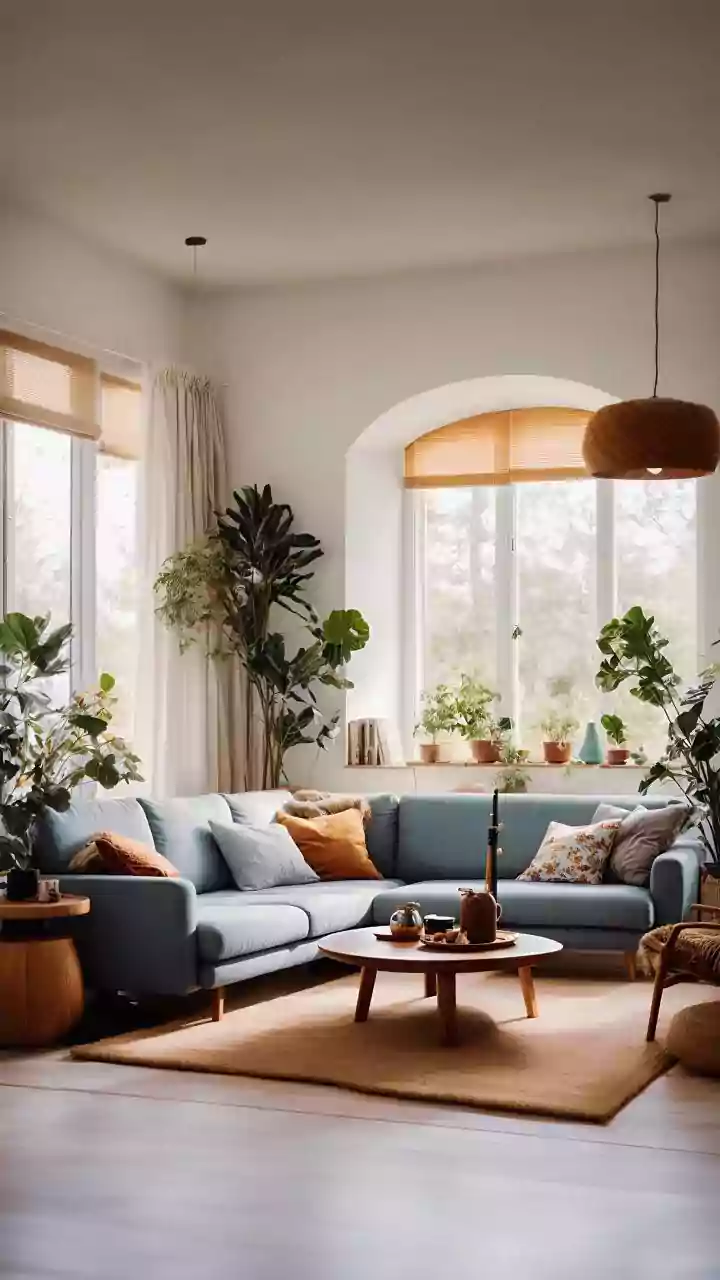
mental health. This evolution is driven by a growing awareness that our environment profoundly impacts how we feel, think, and function. A central tenet of this movement is biophilic design, which seeks to connect us with nature by incorporating natural light, plants, and organic materials like wood and stone. The goal is to create spaces that are not just beautiful, but restorative, reducing stress and enhancing our overall quality of life.
The Unseen Threat: Indoor Air Quality
We often worry about outdoor pollution, but the air inside our homes can be significantly more harmful. The World Health Organization and other health bodies have established clear links between poor indoor air quality and a range of health problems, from respiratory diseases and heart conditions to cognitive deficits. Common household pollutants include volatile organic compounds (VOCs) from paint and furniture, mould, dust mites, and particulate matter. Exposure to these can lead to immediate effects like headaches and dizziness, and long-term risks including asthma and even cancer. Studies have also shown that poor air quality can impair concentration and productivity, making it a critical issue for the millions now working and studying from home.
Designing for Cleaner Air
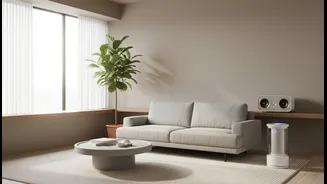
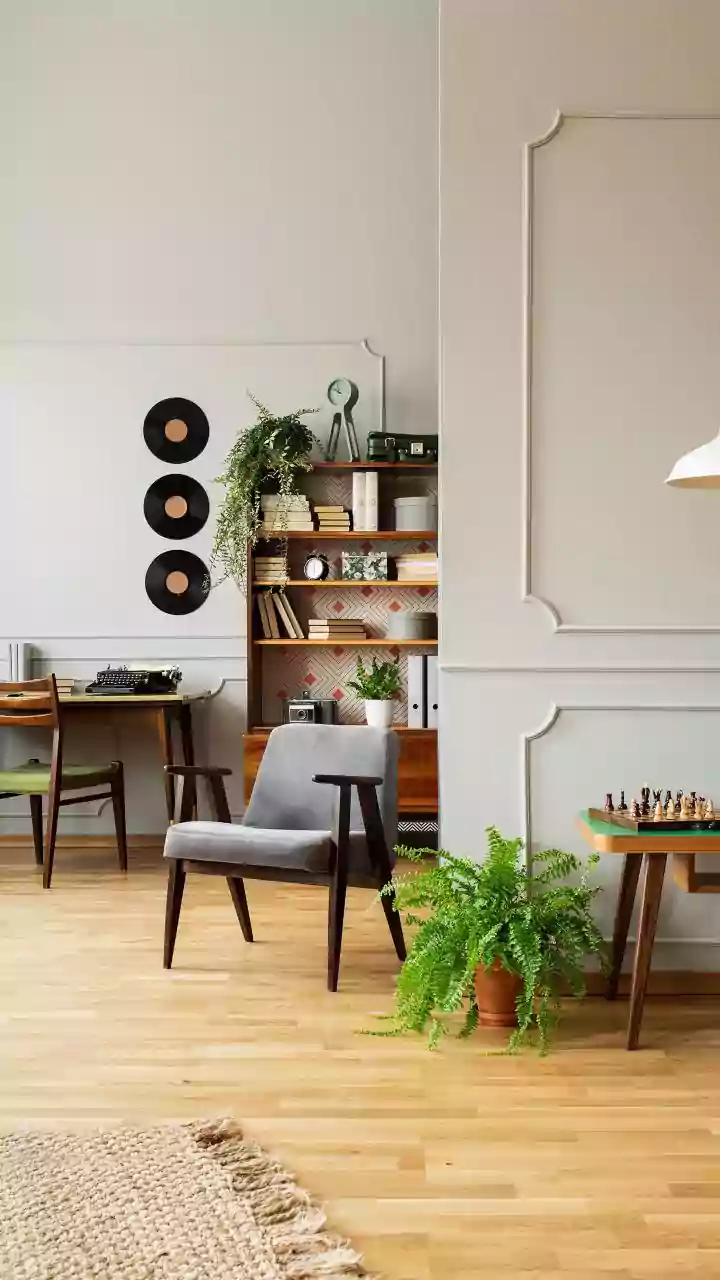
Improving the air you breathe at home involves a multi-layered approach. Proper ventilation is paramount, whether through opening windows for cross-breezes or installing advanced filtration systems in HVAC units. When renovating or decorating, actively choose low-VOC or zero-VOC paints, finishes, and furnishings to minimize off-gassing. Natural materials are often a healthier choice. Beyond materials, incorporating houseplants can help filter airborne toxins, while high-efficiency particulate air (HEPA) purifiers can capture fine particles that regular ventilation misses. The WELL Building Standard, a framework for creating healthy buildings, emphasizes these strategies, pushing designers to prioritize clean air from the earliest stages of a project.
The Importance of a Quiet Mind
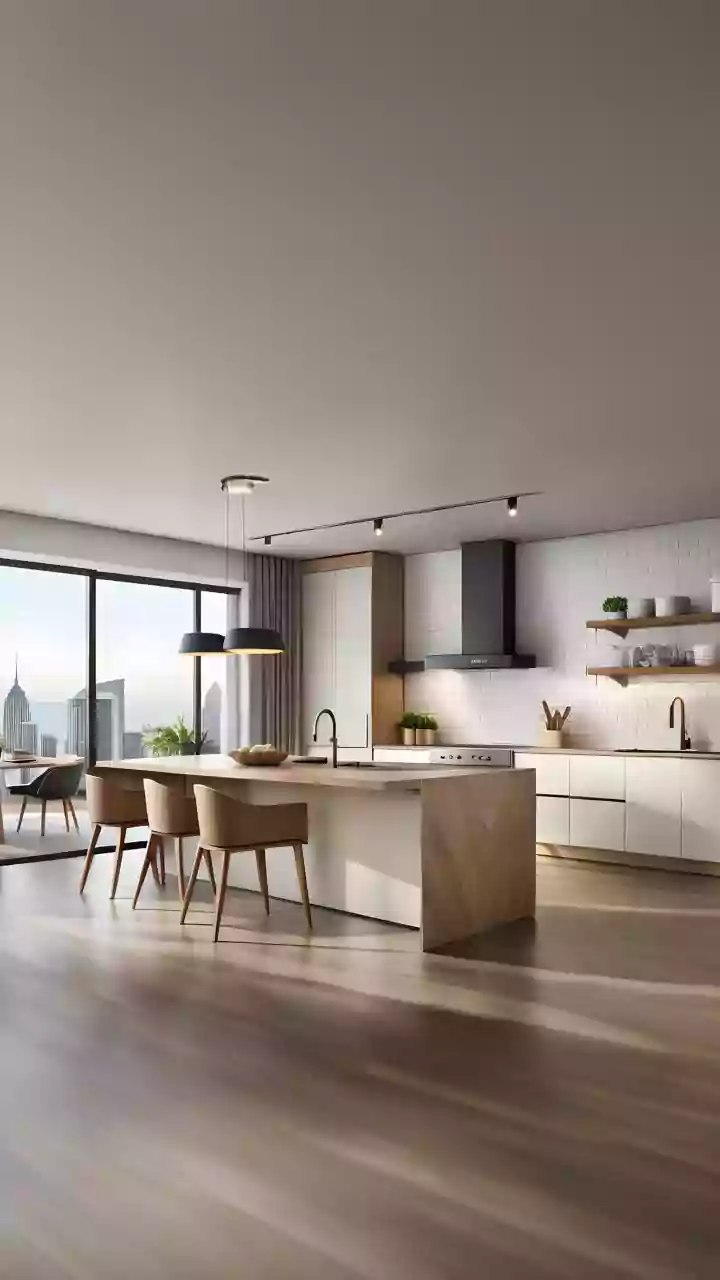
Just as crucial as clean air is a healthy soundscape. Constant, unmanaged noise—from outside traffic to echoey open-plan living spaces—can elevate stress levels, disrupt sleep, and shatter concentration. The minimalist aesthetic of bare walls and hard surfaces, while visually appealing, often creates harsh acoustic environments where sound bounces uncontrollably. As homes have become our offices, gyms, and classrooms, the need for acoustic comfort has become undeniable. Thoughtful acoustic design aims not for total silence, but for clarity and calm, reducing exhausting reverberation so that conversation is effortless and focus is sustained. It’s about controlling noise to create an environment of peace and productivity.
How to Weave in Better Acoustics
Improving your home's acoustics no longer requires sacrificing style for bulky foam panels. Modern solutions are both effective and aesthetically pleasing. The core strategy is absorption, using soft, porous materials to trap sound waves and prevent echo. This can be as simple as adding thick rugs, heavy curtains, and plush upholstered furniture. Bookshelves filled with books are excellent, underappreciated sound diffusers. For more targeted solutions, designers are now using stylish acoustic panels made from materials like PET felt, wood wool, and natural fibers, which can be integrated as feature walls or even artwork. Even suspended ceiling baffles and clouds have evolved into sculptural elements that enhance a room's architecture while controlling sound.