






What Exactly Is This 'Super' El Niño?
El Niño, which means 'the little boy' in Spanish, refers to the unusual warming of surface waters in the central and eastern Pacific Ocean. This change in ocean temperature disrupts atmospheric circulation patterns across the globe. While it's a recurring
phenomenon, the 2026 event is drawing serious attention from scientists at the World Meteorological Organization and other global agencies. They have noted exceptionally high sea surface temperatures, leading to predictions of a 'strong' or even 'super' El Niño event, one of the most intense in recent history. This amplified strength increases the likelihood of more severe weather disruptions worldwide, and India is particularly vulnerable to its effects.
A Weaker, Drier Monsoon
The most immediate and significant impact of El Niño on India is its historical connection to a weaker southwest monsoon. The monsoon is the lifeblood of the nation's agriculture and economy, delivering the majority of the country's annual rainfall. The 2026 monsoon season has already shown clear signs of El Niño's influence. As of mid-September, cumulative rainfall across the country was tracking significantly below the long-period average, putting India on course for its driest monsoon in over a decade. The India Meteorological Department (IMD) had earlier forecast a 'below-normal' monsoon for the year, citing the strengthening El Niño as the primary cause for the expected deficit.
Threats to Agriculture and Food Prices
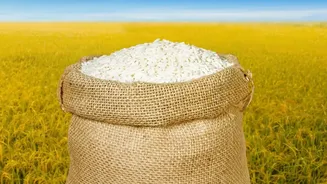
A deficient monsoon directly threatens India’s agricultural sector. A vast portion of the country's farmland is rain-fed, making it highly dependent on seasonal rains for irrigating key Kharif (summer) crops like rice, maize, cotton, and pulses. Reduced rainfall can lead to lower soil moisture, stunted crop growth, and ultimately, lower yields. Historically, strong El Niño years have been linked to a notable drop in agricultural output. This shortfall not only squeezes the incomes of millions of farmers but also has a ripple effect on the wider economy, often leading to a rise in food prices and contributing to overall inflation. In response, the government has already begun activating contingency plans for hundreds of agriculturally vulnerable districts.
Strain on Water and Power
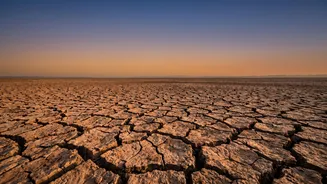
The impact of a poor monsoon extends beyond the fields. The rainfall season is crucial for replenishing the country's reservoirs, which supply drinking water to cities and towns, water for industrial use, and are vital for irrigation outside the monsoon months. A significant rainfall deficit means these reservoirs may not reach their full capacity, raising concerns about water scarcity in the months ahead. Furthermore, a substantial portion of India's electricity is generated by hydropower. Lower water levels in dams can curtail power generation, potentially straining the nation's energy supply at a time when demand might be high.
A Warmer Winter and Future Heatwaves
The effects of this powerful El Niño are expected to linger long after the monsoon clouds have retreated. Forecasters predict that the phenomenon will persist through the winter of 2026-2027, likely resulting in above-normal temperatures across much of India. This could mean a milder winter than usual. Looking further ahead, a strong El Niño can also set the stage for a hotter pre-monsoon season in 2027, increasing the risk of severe and prolonged heatwaves. This combination of a dry monsoon followed by a warm winter and a hot summer can create a compounding cycle of climate stress, affecting public health and energy demand.