



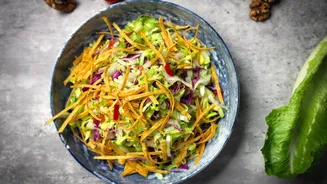
Coriander is more than just a garnish; it's a flavour powerhouse. Its bright, citrusy notes can transform a simple meal. Let's dive into the world of coriander dressings and unlock the potential of this incredible, and often debated, herb.
A Herb of Two Opinions
Coriander, also
known as cilantro, is one of the most divisive ingredients in the culinary world. For many, it offers a fresh, almost citrus-like flavour that brightens up everything from curries to tacos. For a small portion of the population, however, it tastes unpleasantly like soap. This difference is largely due to genetics. Some people have a variation in their olfactory-receptor genes that makes them sensitive to the aldehyde chemicals present in coriander leaves, which are also found in soap. This genetic quirk is why the herb can be so polarizing. But for those who enjoy its unique profile, coriander is an essential component in South Asian, Latin American, and Mediterranean cuisines, celebrated for its refreshing and aromatic qualities.
The Classic Creamy Dressing
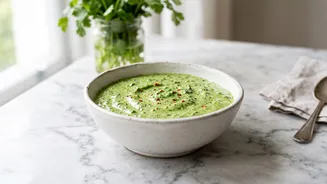
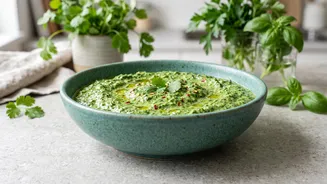
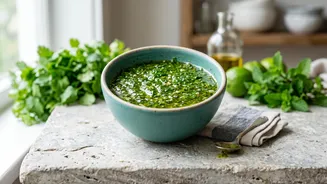
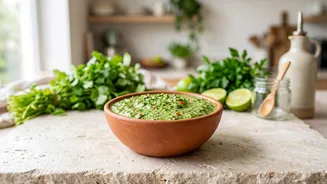
A creamy coriander dressing is a versatile staple that can elevate countless dishes. Typically made with a base of yogurt, sour cream, or mayonnaise, this dressing is rich, tangy, and bursting with fresh herb flavour. To make it, simply blend a large bunch of fresh coriander with plain Greek yogurt, a clove of garlic, a squeeze of lime juice, and a touch of honey for balance. The result is a smooth, vibrant green sauce that is thick enough to be used as a dip for snacks like samosas or vegetable sticks, but can also be thinned with a little water or olive oil to be drizzled over salads, grilled chicken, or fish. It's particularly delicious on chaat, in wraps, or as a cooling counterpoint to spicy dishes.
The Zesty Vinaigrette Alternative
For a lighter, more piquant option, a coriander-lime vinaigrette is an excellent choice. This style of dressing moves away from the creamy base and focuses on the zesty interplay of fresh lime juice, olive oil, and finely chopped coriander. The basic formula involves whisking together olive oil, fresh lime juice, a bit of honey or maple syrup for sweetness, and seasoning with salt and pepper. Adding minced garlic or a little Dijon mustard can help emulsify the dressing and add another layer of complexity. This vinaigrette is fantastic on green salads, bean salads, or tossed with quinoa. Its bright, acidic kick cuts through richer foods, making it a perfect finishing drizzle for tacos or grilled seafood.
More Than Just a Dressing
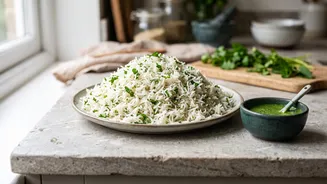
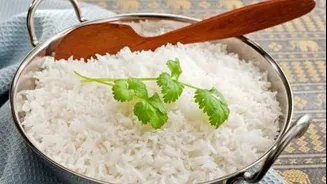
The utility of a good coriander sauce extends far beyond the salad bowl. Both creamy and vinaigrette-style dressings double as fantastic marinades for chicken, fish, or paneer, infusing them with flavour before they hit the grill or pan. A creamy coriander sauce can be used as a spread for sandwiches and wraps, offering a fresh alternative to mayonnaise. It also serves as an excellent dip for everything from tortilla chips and vegetable crudités to Indian appetisers like pakoras and kebabs. You can even stir it into rice or roasted vegetables to add an instant burst of freshness and colour.
Celebrating Coriander in All Its Forms
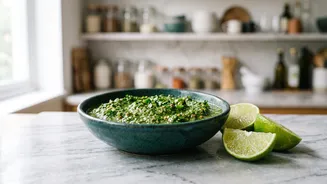
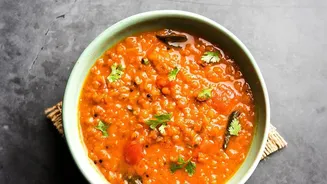
While dressings are a great start, the leaves are used in many other beloved preparations. Coriander chutney is a cornerstone of Indian cuisine, made by blending the leaves with green chillies, garlic, lemon juice, and sometimes coconut or mint. This chutney is the perfect accompaniment to almost any meal. The leaves are also used to make flavourful pastes for curries, like a South Indian mutton fry or a dhaniya murgh, where chicken is simmered in a yogurt and coriander gravy. And of course, whole coriander leaves are essential as a final garnish, sprinkled over dal, curries, and rice dishes to add a final touch of vibrant, fresh flavour just before serving.