





In the world of snacking, the battle for the healthiest crunch is fierce. Two major contenders have emerged: traditional popcorn and the increasingly popular puffed ragi snack. But is one truly superior? Let's find out.
The Mighty Millet's Appeal
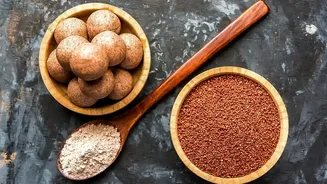
Puffed ragi, made from finger millet,
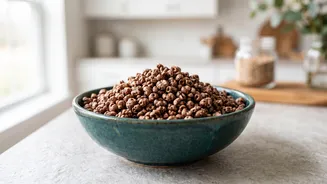
enters the ring with a strong reputation as a 'superfood'. For generations, ragi has been a staple in Indian households, celebrated for its impressive nutritional profile. It is notably rich in calcium, making it an excellent food for bone health. Beyond calcium, ragi also provides a good dose of iron and dietary fibre. The fibre content helps in promoting a feeling of fullness and aids in digestion. However, not all ragi snacks are created equal. While the base grain is incredibly nutritious, the final product's healthiness depends heavily on how it is processed. Baked ragi puffs are a much lighter option compared to those that are fried, and many commercial varieties can be high in sodium and artificial flavourings, which can detract from their inherent benefits.
Popcorn's Surprising Strengths
Popcorn, often dismissed as movie-theatre junk food, has a surprisingly wholesome side. At its core, popcorn is a 100% whole grain, which means it contains fibre, vitamins, and antioxidants. When prepared correctly, it is a low-calorie snack that can be quite filling due to its high fibre content and volume. This makes it a great choice for weight management. Furthermore, popcorn contains phenolic acids, a type of antioxidant that can help combat cellular damage in the body. The crucial factor, as with ragi, is preparation. Air-popped popcorn, seasoned lightly at home, is a world away from microwave versions loaded with butter, unhealthy fats, and excessive salt. The former is a genuinely healthy snack, while the latter can easily derail a healthy diet.
A Head-to-Head Nutritional Showdown
When placed side-by_side, it becomes clear why there is no simple winner. Ragi snacks often take the lead in mineral content, particularly with their high levels of calcium and iron. This makes them a more nutrient-dense option if your goal is to boost your intake of these specific micronutrients. On the other hand, plain air-popped popcorn typically wins on the calorie front, offering a larger volume for fewer calories. For example, a three-cup serving of air-popped popcorn has about 90-100 calories. Both are good sources of fibre, which is crucial for digestive health and satiety. Popcorn, being a whole grain, has a slight edge in fibre per serving, but ragi's fibre is also significant and contributes to a lower glycemic index, which helps in stabilising blood sugar levels.
Why Preparation Is Everything
The real decider in this nutritional debate isn't the grain itself, but what happens to it before it reaches your mouth. A snack's health benefits can be completely undone by its preparation method. For popcorn, this means avoiding the prepackaged microwave bags that often contain trans fats and artificial flavourings, as well as the heavy butter and salt toppings common at cinemas. The healthiest way to enjoy popcorn is to airpop the kernels at home and add your own light seasonings. Similarly, for ragi snacks, the healthiest versions are baked, not fried. It is essential to read the labels on packaged ragi puffs carefully, paying close attention to the sodium content and the ingredient list to avoid unwanted additives and unhealthy fats. Choosing the plain or minimally seasoned varieties will always be the better option.