
The Unseen Stowaways
When astronauts travel to the Moon, they won't be alone. Every human carries trillions of microorganisms. A recent NASA-led study published in August 2026 highlights a new concern: some of these microbial hitchhikers could survive on the Moon. The study,
led by planetary scientist Prabal Saxena, focused on the lunar south pole, a key target for upcoming Artemis missions. Researchers modeled how five common types of microbes—three bacteria and two fungi often found in spacecraft environments—would fare in the harsh lunar conditions. The results were surprising. In certain sheltered locations, these tiny Earth life forms could persist, raising complex questions about planetary protection.
Why Pristine Science Is at Stake
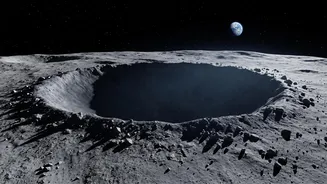
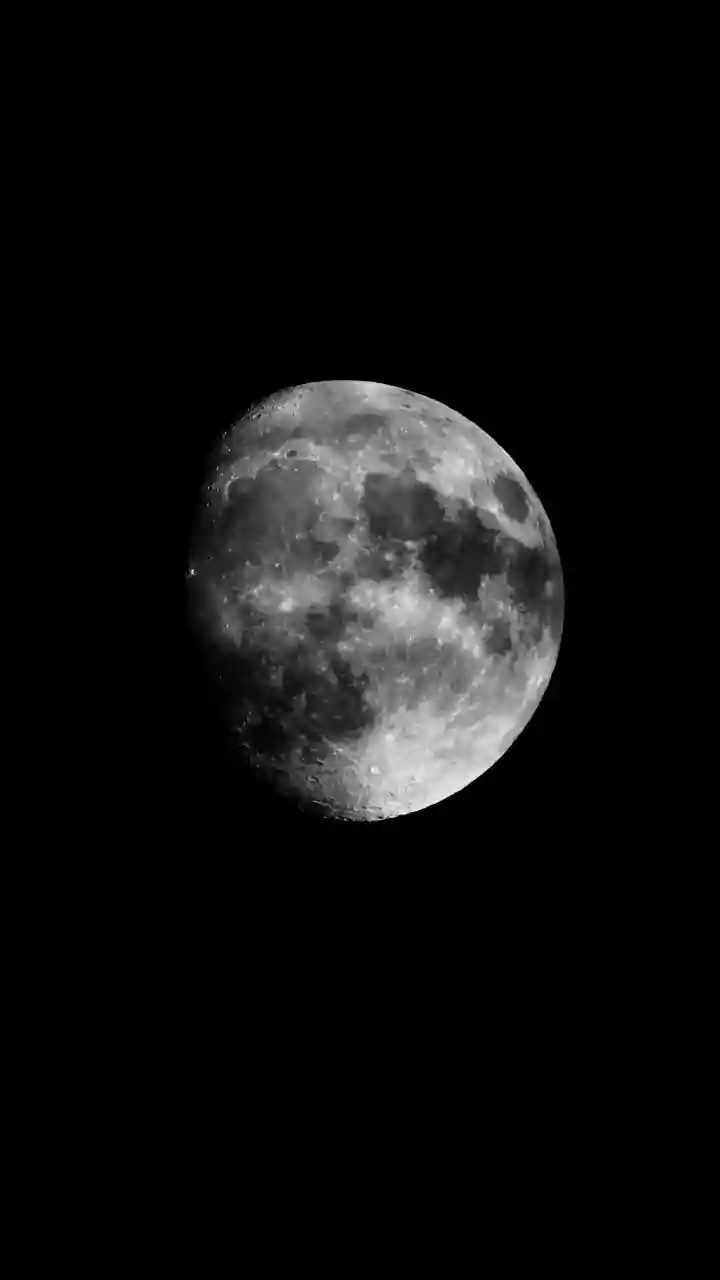
For scientists, the Moon is a treasure chest of cosmic history. Its permanently shadowed craters, especially near the south pole, are believed to hold water ice that has been frozen for billions of years. These icy deposits are a pristine record of the early solar system and could even hold clues about the origin of water and life on Earth. The fear is that if Earth microbes contaminate these sites, it could become incredibly difficult for future scientific analyses to distinguish between terrestrial biology and any genuine lunar chemistry. Finding DNA or other organic molecules would be a monumental discovery, but only if scientists can be sure they didn't bring it with them. This is the core of what's known as "forward contamination": the unintentional transfer of life from Earth to another celestial body.
Pockets of Survivability
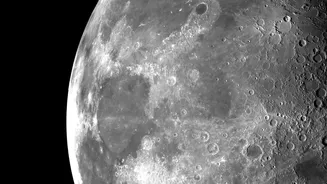
The Moon's surface is incredibly hostile. It has no atmosphere, which means it is blasted by intense ultraviolet (UV) radiation and faces extreme temperature swings from over 120°C in sunlight to -173°C in darkness. For decades, this led to the assumption that the Moon was sterile. However, the new NASA study challenges this. Using data from the Lunar Reconnaissance Orbiter, researchers identified 'survivable niches'. The Moon's slight axial tilt creates permanently shadowed craters near the poles where the sun never shines directly. These ultra-cold, dark areas offer protection from UV radiation and extreme heat. The study found that within these shadows—in areas as large as a crater floor or as small as an astronaut's bootprint—some microbes could survive in a dormant state for weeks or even months.
The Hardiest of Hitchhikers
Not all microbes are created equal. The NASA models showed that fungal species were generally more resilient than bacteria. The standout survivor was Aspergillus niger, a type of black mold commonly found in damp places on Earth, such as bathrooms, and which has even been found growing on the International Space Station. This fungus demonstrated a surprising resistance to UV radiation, allowing it to survive even in areas with some partial sunlight. It's important to note that surviving isn't the same as thriving. The conditions are not suitable for these microbes to grow or reproduce. However, their mere presence, even in a dormant or dead state, is enough to potentially compromise sensitive scientific instruments and samples.
The Artemis Generation's Responsibility
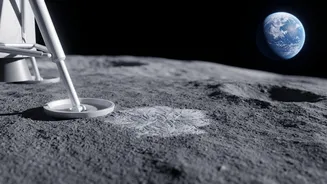
These findings come at a crucial time, as NASA's Artemis program gears up to land astronauts near the lunar south pole. Unlike robotic missions, which can be sterilized with heat, missions with humans present a much greater contamination challenge. The study underscores the need for stringent planetary protection protocols for the Artemis era. This involves carefully tracking what materials are brought to the Moon and developing new strategies to minimize the biological footprint of human explorers. The goal is to balance the drive for human exploration with the scientific imperative to preserve the unique lunar environment. It's a delicate act that will define the next chapter of our relationship with the Moon.