

Croatia is a victim of its own success. Its stunning coastline and historic towns are world-famous, but that fame comes with a price: crushing crowds and tourist traps. Here’s how to sidestep the hype and find the country's true magic.
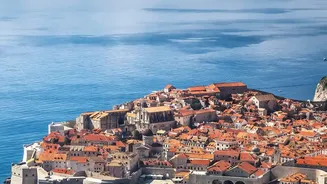
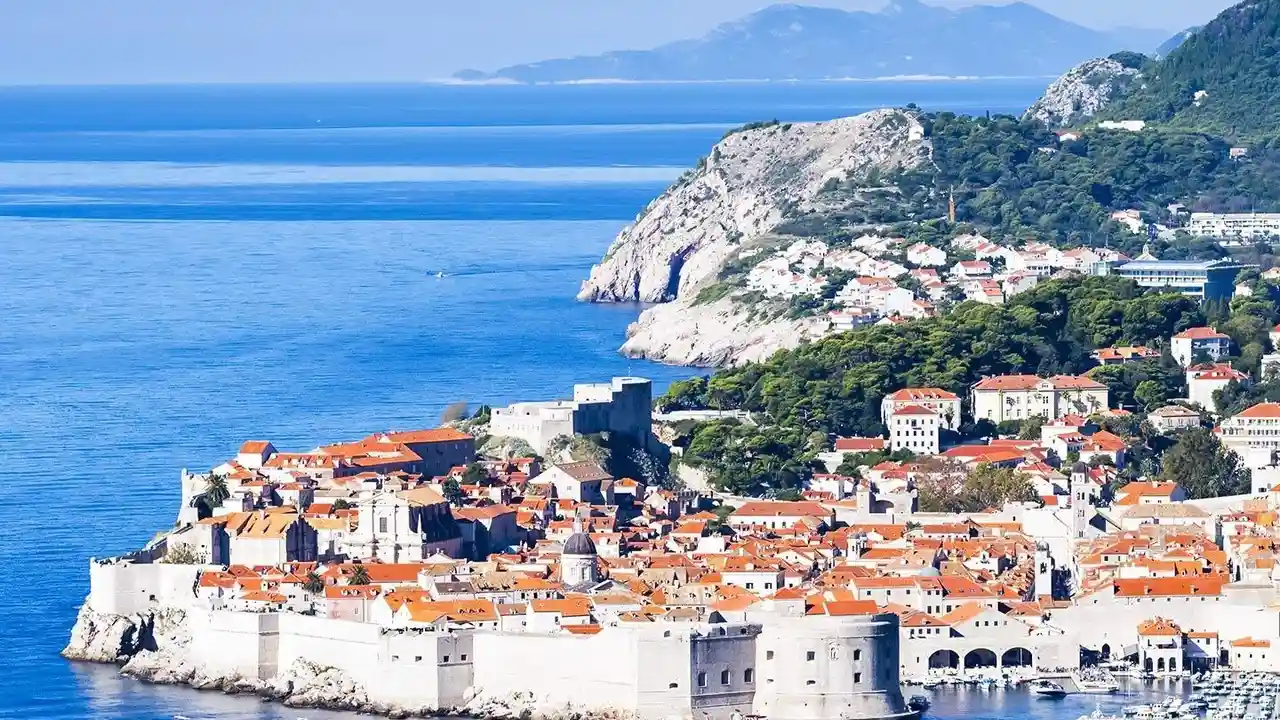
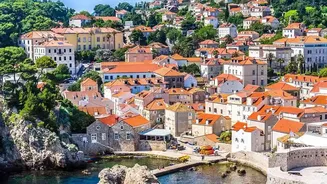
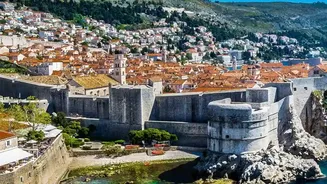
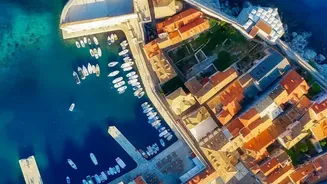
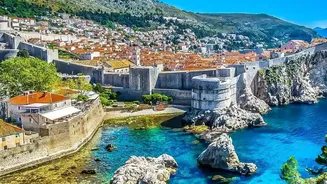
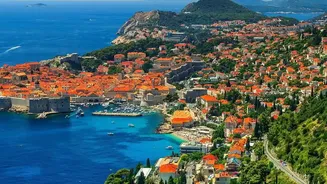
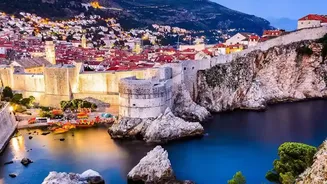
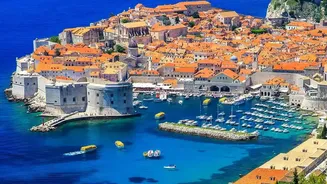
Dubrovnik’s Old Town at Midday
Walking Dubrovnik’s
ancient walls is a bucket-list item for many, but the reality in peak season is often a slow, crowded shuffle under the blazing sun. The main street, the Stradun, can feel more like a theme park than a historic city, with thousands of cruise-ship passengers descending at once. While the city is undeniably beautiful, the midday experience can be genuinely unpleasant. Instead of fighting the crowds, consider visiting the nearby town of Cavtat, which offers a serene, picturesque waterfront without the hordes. Or, walk the impressive Walls of Ston, the second-longest preserved fortification system in the world, just an hour away, for a similar experience with a fraction of the people.
Hvar Town’s Pricey Party Scene
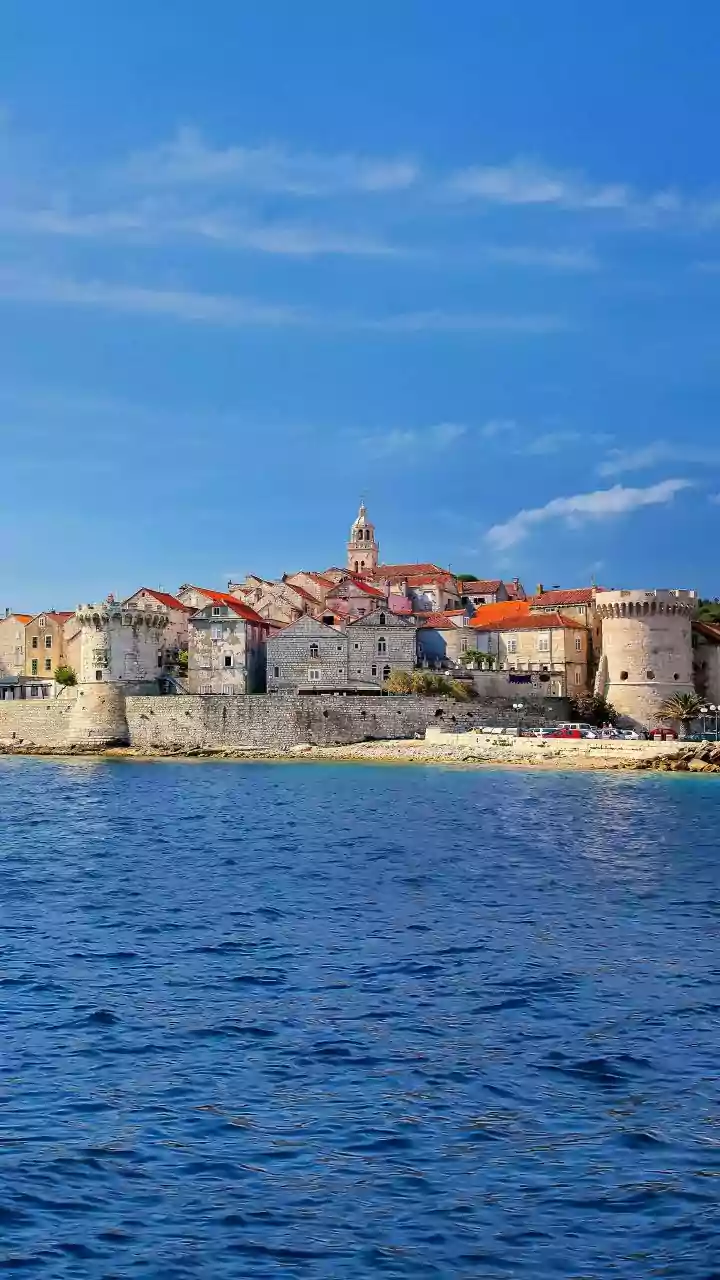
Hvar has a reputation as Croatia's glamorous party island, and Hvar Town is its epicentre. While the nightlife is vibrant, it's also incredibly expensive, with accommodation and even drinks at bars costing significantly more than elsewhere in Croatia. For many travellers not seeking an all-night party, the town can feel commercialised and lacking in authentic charm. For a more balanced and refined island experience, try Korčula. Its main town is often called 'Little Dubrovnik' for its stunning medieval architecture but remains far more tranquil. Alternatively, the island of Vis offers a more laid-back vibe and rugged natural beauty.
Plitvice Lakes in Peak Summer
The cascading turquoise lakes of Plitvice are a natural wonder, but visiting in July or August can be a test of patience. The narrow wooden boardwalks that crisscross the pools become clogged with visitors, leading to long queues and what can feel like a human traffic jam. The high entrance fees during this period can also make the crowded experience feel less than worthwhile. As a fantastic alternative, consider Krka National Park. While also popular, it’s more spread out and famously features Skradinski Buk, a massive waterfall where swimming was once permitted in designated areas. For a truly peaceful nature experience, a visit to Kopacki Rit Nature Park, a vast wetland in eastern Croatia, is another excellent choice.
The Blue Cave Tour Rush
The Blue Cave on Biševo island is a natural marvel, where sunlight illuminates the grotto with an ethereal blue glow. However, the experience is often a letdown due to logistics. A trip from Split or Hvar is a long, full-day commitment, much of it spent on a speedboat. You may wait in a long queue of boats only to spend a mere five to ten minutes inside the cave itself. The trip is also expensive and entirely dependent on calm sea conditions. Instead, consider exploring other beautiful sea caves without the rigid schedule, or visit stunning spots like Stiniva Cove on Vis. The Green Cave on the islet of Ravnik is a great alternative where you can often swim inside.
Split’s Riva Waterfront Restaurants
The Riva, Split's palm-lined waterfront promenade, is the city's bustling heart and a beautiful place for a stroll. However, the restaurants lining it are notorious tourist traps. You'll often pay a 30-50% premium for mediocre food, simply for the view. Many of these establishments cater exclusively to tourists, with generic menus and rushed service. A better approach is to enjoy a coffee on the Riva to soak up the atmosphere, then walk just a few minutes inland into the backstreets of Diocletian's Palace or the Veli Varoš neighborhood. There you’ll find charming, family-run 'konobas' serving authentic and delicious Dalmatian cuisine at a much fairer price.