

The Origin of the Green Myth
The popular belief that houseplants are natural air purifiers largely stems from a landmark 1989 NASA study. Researchers, looking for ways to clean the air in sealed space stations, found that common indoor plants could remove volatile organic compounds
(VOCs) like formaldehyde and benzene from small, sealed chambers. The study was scientifically sound for its specific purpose and identified several plants, like Spider Plants and Peace Lilies, as being effective in that controlled setting. This exciting finding was widely publicised and quickly morphed into the idea that a few potted plants could do the same for our homes and offices.
A Reality Check: Chambers vs. Living Rooms
The major issue with applying the NASA findings to your home is the vast difference between a sealed lab chamber and a typical room. Our homes are not airtight. They have constant air exchange with the outdoors through windows, doors, cracks, and ventilation systems. This process, known as the air exchange rate, is constantly diluting the concentration of any indoor pollutants. A 2019 review of decades of research concluded that this natural ventilation is far more effective at cleaning the air than houseplants are. The effect of plants is so minimal in comparison that it’s almost negligible in a real-world setting.
The Problem of Scale
To truly replicate the air-purifying effects seen in lab studies, the number of plants required is staggering. Researchers have calculated that you would need anywhere from 10 to 1,000 plants per square metre of floor space to make a meaningful impact on indoor air quality. For an average 1,500-square-foot home, that could mean deploying over 680 plants to compete with the building's natural air exchange. Some estimates are even higher, suggesting you'd need a literal indoor forest of 10,000 to 100,000 plants to see a measurable difference. Clearly, this is an impractical solution for the average homeowner.
The Real, Proven Benefits of Plants
Just because they aren't miracle air purifiers doesn't mean you should give up on your green friends. The psychological benefits of indoor plants are well-documented and significant. Studies have shown that interacting with and caring for plants can reduce both psychological and physiological stress. This includes lowering levels of the stress hormone cortisol, reducing blood pressure, and improving mood. Having plants around can also improve focus, help with mental fatigue, and simply bring a sense of joy and connection to nature into our indoor spaces, which has a positive impact on our overall wellness.
How to Actually Improve Your Air
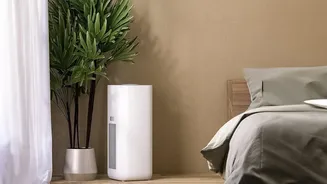
If you are genuinely concerned about indoor air pollution, there are far more effective strategies than buying more plants. The first step is source control: reduce or eliminate products that release VOCs, such as certain cleaning supplies, air fresheners, and paints. The second, and most effective, method is ventilation. Simply opening your windows regularly to allow for fresh air exchange can do wonders. For a more robust solution, especially for those with allergies or asthma, investing in an air purifier with a HEPA filter is a proven way to remove a wide range of airborne particles, from dust and pollen to mold spores. A combined approach using these methods will be most effective.