






The Sweetener Dilemma
For years, the logic seemed simple: to reduce sugar intake and manage weight, swap sugar for a non-caloric substitute. Chemically synthesized sweeteners like aspartame, sucralose, and saccharin became mainstays in 'diet' foods and drinks, promising all the sweetness
with none of the calories. This was particularly relevant in India, where rising rates of diabetes made sugar reduction a public health priority. However, the conversation among health professionals is changing. Growing evidence and a more nuanced understanding of how these substitutes interact with our bodies are causing a rethink. The focus is shifting from just counting calories to understanding the broader impact on our health, especially our gut.
Artificial vs. Natural: What's the Difference?
The divide is between sweeteners created through chemical processes and those derived from plants. Artificial sweeteners are synthetic compounds, like sucralose, which is made by chemically altering a sugar molecule. Natural non-caloric sweeteners, on the other hand, come from plant sources. The most popular ones are stevia, extracted from the leaves of the Stevia rebaudiana plant, and monk fruit, derived from a small melon native to China. While both are intensely sweet and contain virtually no calories, their origins and, crucially, how the body processes them, are fundamentally different. This distinction is at the heart of the current recommendations.
New Concerns About Chemical Sweeteners
Recent scientific findings have raised questions about the long-term effects of chemically synthesized sweeteners. A key area of concern is the gut microbiome. Studies suggest that artificial sweeteners like sucralose can alter the balance of bacteria in our gut. While research is ongoing, this disruption is thought to be significant, as a healthy microbiome is crucial for everything from digestion to immune function. The World Health Organization (WHO) has also weighed in, issuing a guideline that recommends against using non-sugar sweeteners for long-term weight control. The review noted potential undesirable effects from long-term use, such as a possible increased risk of type 2 diabetes and cardiovascular issues. In India, the ICMR-National Institute of Nutrition's 2024 guidelines also state that long-term use could lead to health issues and disrupt intestinal flora.
The Rise of Natural Alternatives
Given the concerns, natural alternatives like stevia and monk fruit are gaining favour. Stevia, in particular, is often highlighted as a healthier option by doctors in India. It's a natural, zero-calorie sweetener that does not raise blood sugar or insulin levels, making it suitable for people with diabetes. Monk fruit is also praised for being a natural, zero-calorie option with no known negative effects on gut bacteria. These sweeteners are generally considered safe, though it's important to note they are still highly processed extracts. Some people may also find stevia has a slightly bitter aftertaste. While they appear to be a better choice, the expert consensus is still to use them in moderation.
The Real Takeaway: Less Sweetness Overall
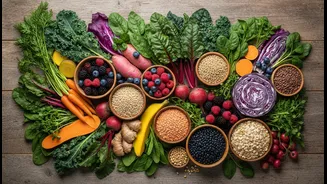
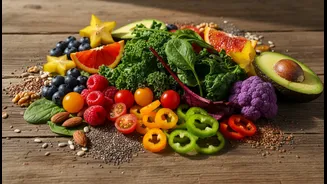
Ultimately, the shift in medical advice isn't just about swapping one type of sweetener for another. The broader recommendation from health bodies like the WHO and doctors is to reduce our overall reliance on intense sweetness. Using natural sweeteners can be a good transitional strategy to cut down on sugar, but the end goal should be to adapt our palates to prefer less sweet foods. Dr. Uday Phadke, a Pune-based diabetes specialist, makes the point that if one can manage their refined sugar intake within daily limits, the need for any substitute decreases. The focus is on a holistic diet rich in whole foods, like fruits, that contain naturally occurring sugars paired with fibre. The move towards natural sweeteners is part of a larger trend: prioritizing whole, unprocessed foods and listening to our bodies, rather than just looking for a calorie-free quick fix.