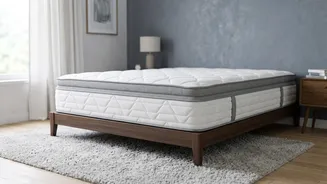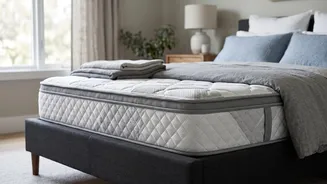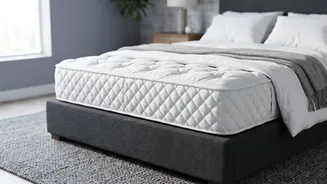






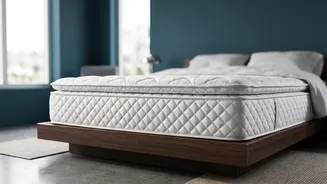
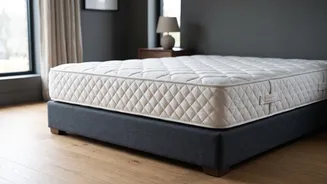

Choosing a new spring mattress can feel overwhelming. To find the right one, it's essential to look past the marketing and understand three core elements: the support system, the firmness level, and how both align with your personal sleep needs.
Support vs. Firmness: What's the Difference?
Many people
use the terms 'support' and 'firmness' interchangeably, but they refer to two different things. Support is the mattress's ability to keep your spine in a neutral alignment, which comes from the core of the mattress—in this case, the springs. A supportive mattress prevents your hips and shoulders from sinking too deeply, which can lead to back pain. Firmness, on the other hand, is about the immediate feel of the mattress when you lie down. It describes how hard or soft the top comfort layers are. A mattress can be soft and still be very supportive, just as a firm mattress can lack proper support if it doesn't align your spine correctly. The goal is to find a balance that feels comfortable while providing the foundational support your body requires.
The Engine of the Mattress: The Spring System
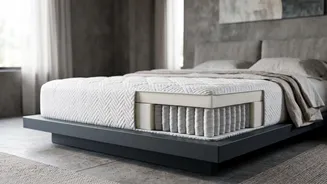
The type of spring, or coil, system is the foundation of a spring mattress's support. The two most common types are Bonnell and pocketed coils. Bonnell coils are interconnected, hourglass-shaped springs that move as a single unit, providing a durable, firm, and often bouncy feel. This traditional system is highly breathable due to its open structure. Pocketed coils are individual springs wrapped in fabric pockets. Because they move independently, they offer more targeted support that contours to your body's shape and significantly reduces motion transfer, making them an excellent choice for couples. You may also see terms like 'coil count' and 'coil gauge'. Coil count is the total number of springs, while gauge refers to the wire's thickness (a lower gauge means thicker wire). While a higher coil count can offer more precise contouring, the quality of the coils and the overall construction are far more important than the numbers alone.
Matching Firmness to Your Sleep Position
The right firmness level is highly dependent on your primary sleeping position, as this determines where your body needs the most cushioning and support. Side sleepers generally need a soft to medium-firm mattress that allows their shoulders and hips to sink in slightly, which keeps the spine straight. Back sleepers typically do best on a medium-firm mattress that supports the natural curve of the lower back without letting the hips sink too far. Stomach sleepers usually require a firm mattress to prevent their midsection from sinking, which can cause the spine to arch and lead to lower back pain. For combination sleepers who change positions throughout the night, a medium-firm mattress often provides the best balance of support and comfort.
Don't Forget the Comfort Layers
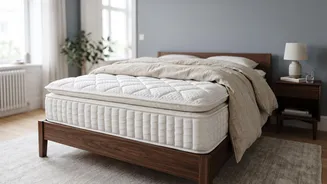
While the springs provide the core support, the layers on top are what determine the mattress's initial feel and pressure-relieving capabilities. These comfort layers can be made from a variety of materials, including memory foam, latex, or polyfoam, often found in pillow tops or Euro tops. Memory foam contours closely to your body, offering excellent pressure relief. Latex provides a more buoyant and responsive feel, while polyfoam can offer a range of sensations from soft to firm. The combination of these layers with the underlying spring system creates the overall experience. A hybrid mattress, for instance, pairs a pocketed coil system with substantial foam or latex layers, aiming to deliver the benefits of both technologies: the support and bounce of springs with the pressure relief of foam.
Putting It All Together Before You Buy
When comparing mattresses, start by identifying your primary sleep position and any specific needs, like back pain or sleeping with a partner. For partners, a mattress with pocketed coils is generally superior for minimizing motion disturbance. Consider your body weight as well; lighter individuals may prefer a softer feel, while heavier individuals often need a firmer, more supportive mattress to prevent excessive sinking. Don't be swayed by coil count alone; focus on the type of coil system and the quality of the materials. Whenever possible, test a mattress in a store for at least 10–15 minutes in your usual sleeping position. The best mattress is a personal choice, and understanding these key features will empower you to find the one that provides both immediate comfort and long–term supportive rest.