




A Success Story's Hidden Risk
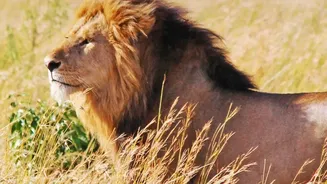
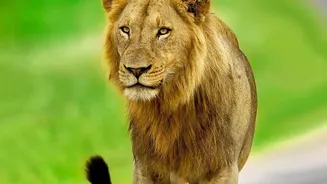
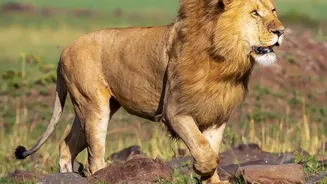
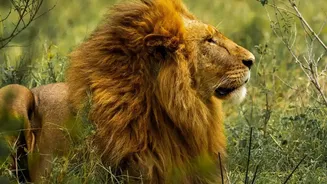
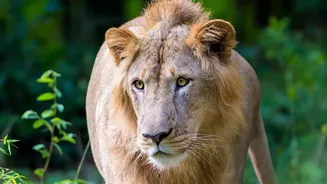
The story of the Asiatic lion in India is one of remarkable recovery. From a perilous low in the 20th century, their numbers have climbed impressively, with the population in Gujarat now thriving. However, this success has a critical vulnerability: nearly
all wild Asiatic lions live in and around Gir National Park. Conservationists have long warned that concentrating a species in one area exposes it to catastrophic risks, such as disease outbreaks or natural disasters. An epidemic, like the Canine Distemper Virus that has affected lion populations before, could devastate the world's only wild population. This single-point dependency has made the search for a second, geographically separate home a national conservation priority for decades.
Enter Barda: A Historic Homecoming
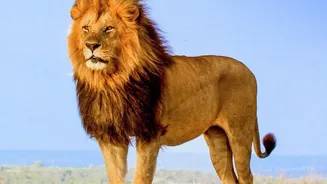
After years of debate and proposals, including the long-discussed translocation to Kuno in Madhya Pradesh, attention has decisively shifted to a site within Gujarat itself: the Barda Wildlife Sanctuary. Located about 100 kilometres from Gir, Barda is not just a convenient choice; it's a historic one. Lions roamed these lands until their last recorded presence in 1879. The 'Project Lion' initiative, aimed at ensuring the species' long-term health, identified Barda as a prime candidate for establishing a new population. The project gained momentum in January 2023 when a young male lion naturally dispersed from the Gir landscape and made Barda his home, proving the viability of the corridor. This pioneering journey paved the way for a managed reintroduction.
Building a New Stronghold
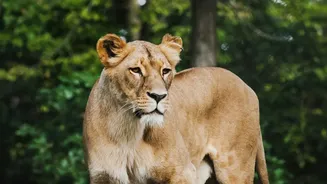
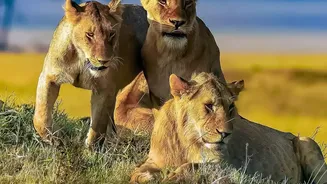
Making Barda a suitable home has been a deliberate and scientific process. The Gujarat Forest Department has been actively preparing the sanctuary for years, focusing on two key areas: habitat improvement and prey augmentation. To support a predator population, there must be enough to eat. Breeding centres for herbivores like chital (spotted deer) and sambar were established, and hundreds of these animals have been released into the sanctuary to build a robust prey base. Efforts have also been made to manage the landscape itself, including restoring grasslands and managing invasive plant species to create a habitat more suitable for lions and their prey. Following the arrival of the first male, the Forest Department translocated five female lions to establish a founding group.
Signs of a Thriving Population
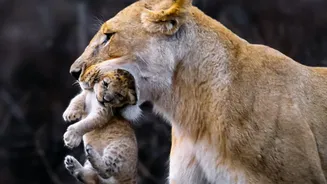
The efforts are showing remarkable results. By August 2026, the lion population in Barda had grown to 26 individuals, a significant increase from the 17 counted in the previous year. This natural increase, including several cubs, is a strong indicator that the lions are successfully breeding, finding adequate food, and adapting to their new environment. To monitor their progress, several lions, including the initial arrivals, have been fitted with radio collars. A recent study published in September 2026, which tracked these lions, confirmed they have established stable home ranges and social groups, reinforcing Barda's suitability as a long-term stronghold for the species.
The Road Ahead: Challenges and Opportunities
While Barda's emergence as a second home is a conservation triumph, challenges remain. Some experts note that its proximity to Gir (around 100 km) may not offer complete protection from fast-spreading epidemics. Ensuring a sufficient prey base to support a growing population and managing human-wildlife interactions in the surrounding areas are ongoing priorities. However, the project also presents new opportunities. The sanctuary is located near the popular Dwarka-Porbandar-Somnath tourist circuit, opening up potential for ecotourism that can benefit local communities and further support conservation efforts. As this new population grows, Barda is set to play an indispensable role in safeguarding the future of India's iconic Asiatic lion, transforming a story of recovery into one of enduring resilience.