

The Golden Rule: Contain Your Mint
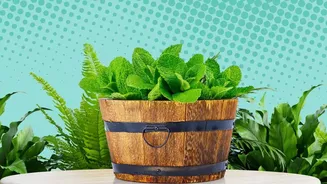
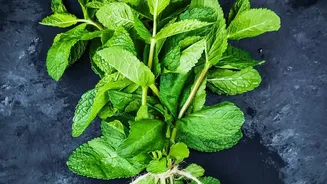
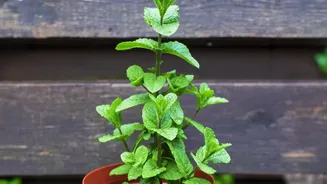
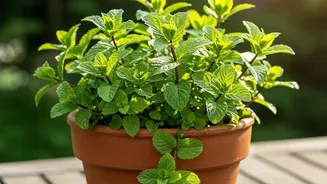
Before you even think about soil, there is one non-negotiable rule for growing mint: always plant it in a container. Mint is a notoriously aggressive spreader. Its roots, known as runners, will travel underground and pop up everywhere, quickly taking
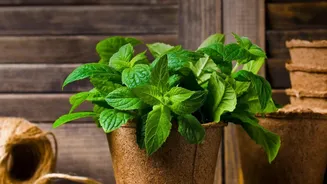
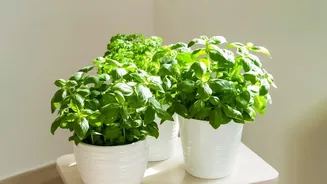
over a garden bed. By confining it to a pot at least 20-30 cm in diameter, you control its growth and ensure it remains a delightful herb rather than a garden thug. Stand the pot on a paved surface or on 'pot feet' to prevent roots from escaping through the drainage holes and finding their way into the ground. This single step is the most crucial for a happy relationship with your mint plant.
Choosing Your Perfect Mint
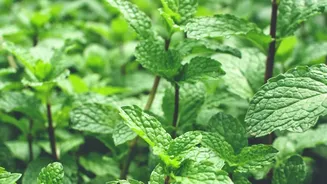
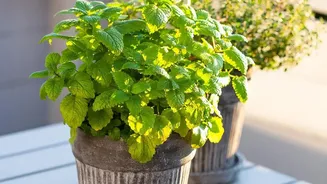
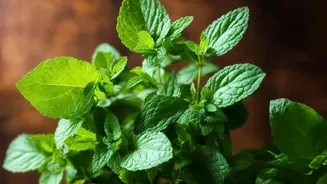
Not all mint is created equal. While standard spearmint and peppermint are classics for a reason, the world of mint is surprisingly diverse. For teas, Moroccan Mint offers a potent, sweet spearmint flavour. For something more exotic, consider Chocolate Mint, which has dark stems and a subtle chocolatey aroma perfect for desserts. There are also fruity varieties like Pineapple Mint, with its attractive variegated leaves and tropical notes, and Strawberry Mint, which has a fragrance reminiscent of strawberry sweets. Consider what you'll use it for most; spearmint is great for savoury dishes and drinks like mojitos, while peppermint is a classic for teas and soothing remedies.
Planting for a Prolific Harvest
Mint is not a fussy plant. It thrives in a sunny to partly-shaded spot and prefers soil that is kept consistently moist but not waterlogged. Unlike many other herbs that prefer to dry out, mint gets thirsty, especially in a pot during warm weather. Use a quality potting mix, ideally with some compost mixed in to retain moisture and provide nutrients. You can start with a small plant from a nursery or even propagate a new plant from a cutting taken from a friend or a store-bought bunch. Simply place a healthy stem in a glass of water, and within a week or two, you should see roots begin to form, ready for planting.
The Art of Harvesting
This is the secret to keeping your plant productive for months. Regular harvesting encourages the plant to become bushier and produce more leaves. Instead of plucking individual leaves, which can damage the plant, use scissors to snip off the top few inches of a stem, cutting just above a set of leaves. This encourages the plant to branch out from that point, creating a fuller, denser plant instead of a few long, leggy stems. A good rule is to never harvest more than one-third of the plant at a time to avoid causing it stress. Pinching off flower buds as they appear will also redirect the plant's energy back into producing flavorful leaves.
Beyond the Mojito: Using Your Bounty
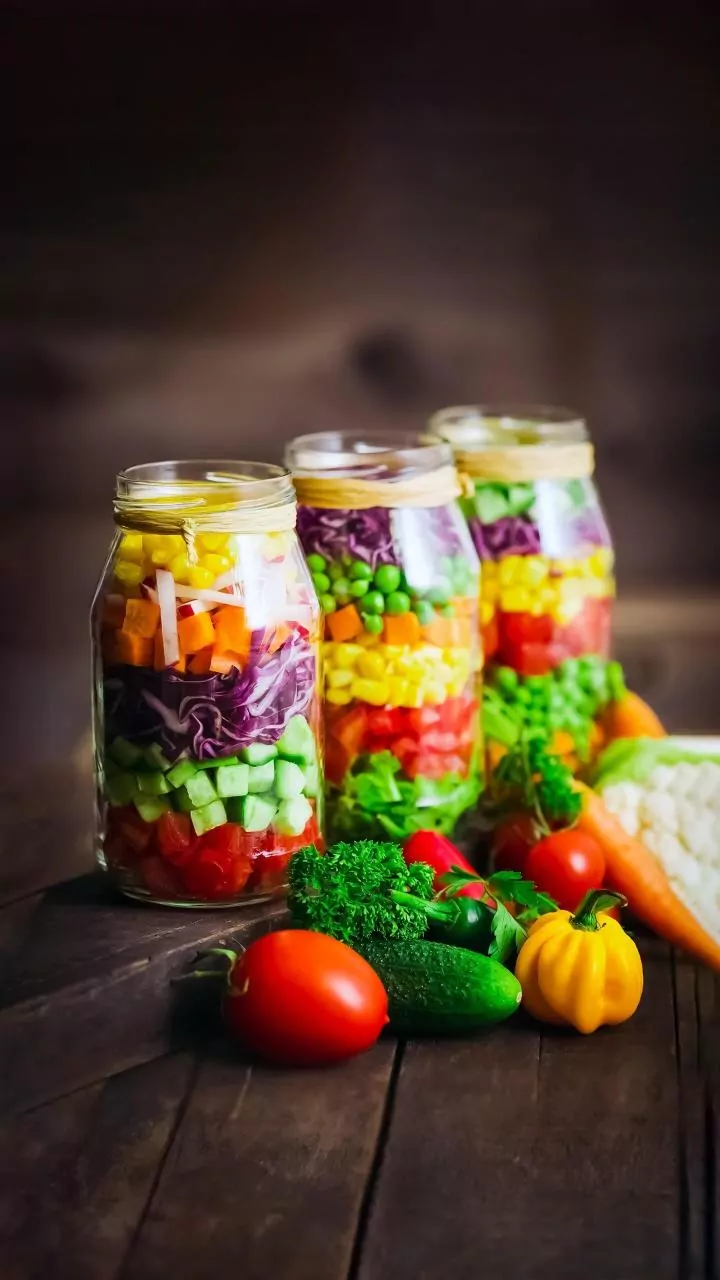
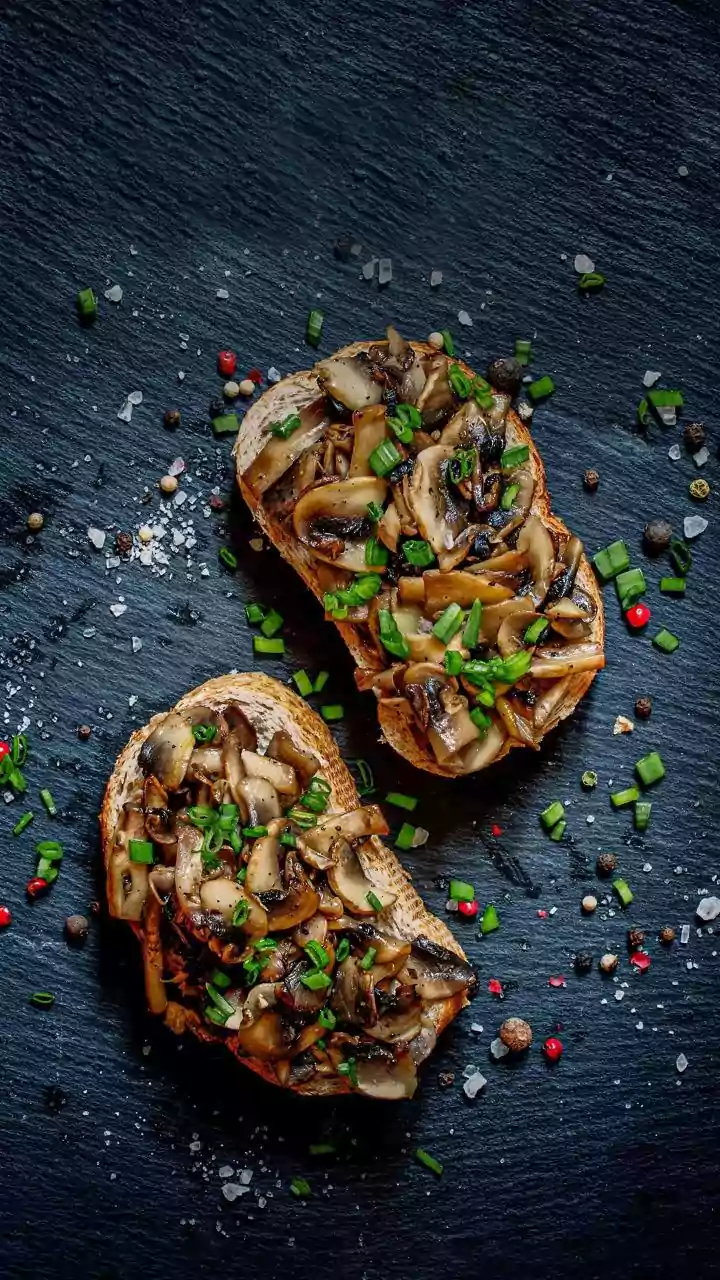
Now for the fun part. With an abundant supply, you can get creative. Toss fresh leaves into salads, blend them into a zesty pesto with basil, or create a refreshing mint yoghurt sauce for grilled meats. Brew your own herbal tea by simply steeping fresh leaves in hot water. For a cooling summer drink, muddle mint into lemonade or freeze leaves into ice cubes to add a pop of flavour to water. You can also chop it finely and sprinkle over fruit salads, especially watermelon, or blend it into a smoothie. The possibilities extend far beyond a simple garnish.
Preserving the Freshness
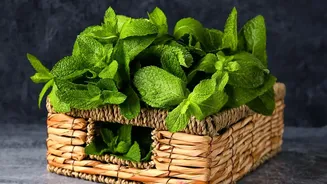
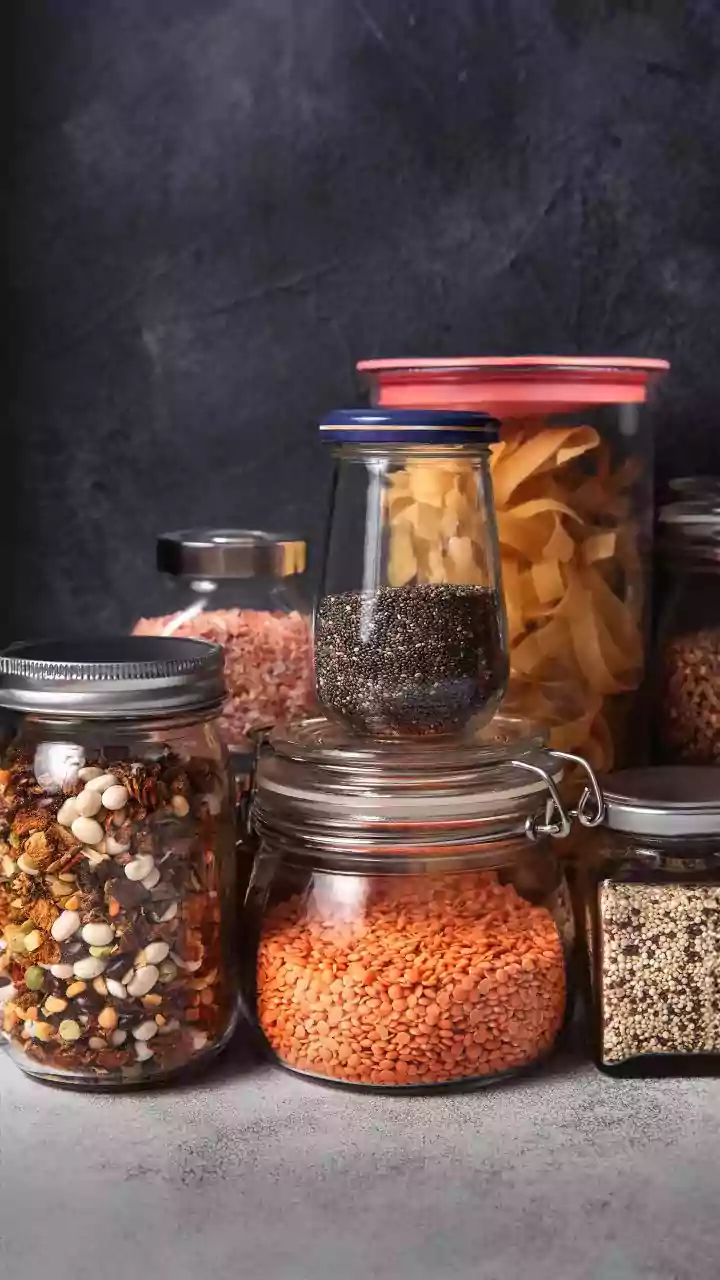
Even with regular use, you might find yourself with more mint than you can handle. To store it for up to a week, place the stems in a jar of water like a bouquet of flowers and keep it in the fridge. For longer-term storage, mint dries exceptionally well. Tie stems into small bundles and hang them in a dry, airy place away from direct sunlight. Once crisp, the leaves can be crumbled and stored in an airtight jar for months. Another fantastic method is freezing. Finely chop the leaves, place them in an ice cube tray, top with water, and freeze. These minty cubes can be dropped directly into drinks or soups all year round.