
In every Indian household, there's a jar of something special: a fiery pickle, a fragrant powder, or a tangy chutney made from a recipe passed down through generations. These are not just side dishes; they are edible archives of our history.
More Than Just a Side Dish
Before refrigerators
became a kitchen staple, preservation was a crucial life skill. Techniques like sun-drying, salting, and fermenting were born from necessity, allowing communities to make seasonal produce last through the year. Condiments are the delicious result of this ancient wisdom. An 'achaar' (pickle), 'podi' (powder), or chutney is a concentrated capsule of a specific time and place. It tells a story about a region's climate, its local harvest, and the flavour profiles preferred by its people. A fiery mango pickle from Andhra speaks of its abundant sunshine and love for spice, while a sweet and sour Gujarati 'chundo' reflects the state's palate for balancing flavours. These recipes are living history, preserving not just food, but cultural identity itself.
Achaar: The Taste of Terroir in a Jar
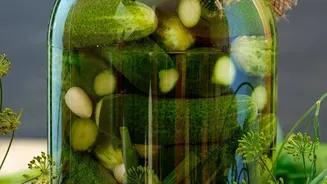
The Indian tradition of pickling, or making achaar, is over 4,000 years old. It's a culinary art form that varies dramatically across the country. In the North, mustard oil is the preferred preservative, giving pickles like Punjab's mixed vegetable 'pachranga' their distinctive pungent kick. Head South, and sesame oil forms the base for iconic pickles like Andhra's 'Avakaya', a spicy raw mango pickle that is a celebrated part of the region's culinary identity. In coastal areas like Kerala and Goa, you'll find pickles made from prawns and fish, reflecting the local bounty. Each recipe is a map of its origin, using fruits and vegetables unique to the area—from gooseberries and limes to bamboo shoots and wild berries. By keeping these recipes alive, communities also ensure there is a continued demand for these specific local ingredients, thus supporting agricultural biodiversity.
The Power of Powders and Pastes
Beyond wet pickles, India has a vast and varied tradition of dry condiments. In the South, 'podi' or 'gunpowder' is a staple. This coarse powder, typically made from roasted lentils, seeds, and red chillies, is mixed with ghee or oil and eaten with idlis, dosas, and rice. Each family has its own unique recipe, a slight variation in the ratio of urad dal to chana dal, or the inclusion of coconut or peanuts. In Bengal, 'kasundi', a sharp and pungent fermented mustard relish, adds a powerful kick to snacks and meals. These dry and semi-dry condiments were designed for longevity and convenience, offering a burst of complex flavour with minimal effort. They are a testament to the ingenuity of Indian home cooks, who masterfully blended spices to create shelf-stable flavour bombs that define their regional cuisine.
The Keepers of Culinary Heritage
The true custodians of this diversity are the grandmothers, mothers, and home chefs who have meticulously guarded these recipes. The ritual of pickle-making, for instance, is often a communal activity, with families gathering in the summer to chop, spice, and bottle the season's harvest. However, in a world of fast food and mass-produced sauces, this generational knowledge is at risk. Many younger Indians have not learned these time-honoured techniques. Thankfully, a new wave of home entrepreneurs and boutique brands are now stepping in. They are documenting and reviving heirloom recipes, sourcing local ingredients, and making these authentic regional flavours accessible to a wider audience. By doing so, they are not just selling a product; they are preserving a piece of India's soul.