


The End of the Cybertruck Era
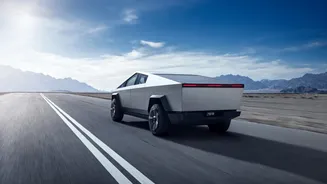
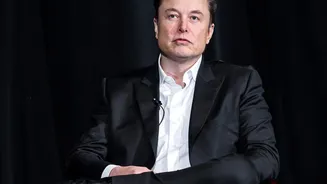
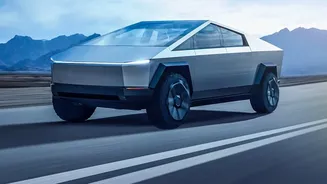
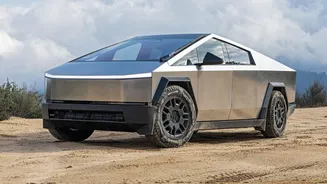
In a surprise announcement on social media platform X, CEO Elon Musk confirmed that Tesla will phase out production of the Cybertruck at its Gigafactory in Texas around the middle of 2027. This decision marks the end of a chapter for one of the most hyped
and controversial vehicles in recent history. First unveiled in 2019, the Cybertruck's radical, stainless-steel design and promises of unparalleled durability captured global attention. However, after a delayed launch in late 2023, the vehicle struggled to meet initial, lofty sales predictions. Musk once projected annual production of 250,000 units, but sales figures have fallen significantly short of that goal. Estimates suggest U.S. sales dropped from 38,965 in 2024 to just over 20,000 in 2025. The truck has also faced numerous production challenges and recalls, and its high price point made it a niche product rather than a mass-market contender.
Enter the Cybercab: Tesla's Next Big Bet
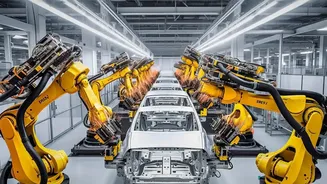
The primary reason for winding down Cybertruck production is to reallocate factory space and resources to the Cybercab, Tesla's purpose-built robotaxi. Unveiled in 2024, the Cybercab is a two-seater vehicle designed from the ground up for full autonomy, featuring no steering wheel or pedals. Pilot production began at the Texas factory in February 2026, and the company has already started offering paid rides in Austin as part of a limited service. This vehicle is the cornerstone of Musk's vision to transform Tesla from a car manufacturer into an AI and robotics powerhouse. By focusing on a dedicated autonomous vehicle, Tesla aims to build a massive fleet of robotaxis that can generate recurring revenue, a business model vastly different from selling consumer cars.
A Deliberate Shift in Strategy
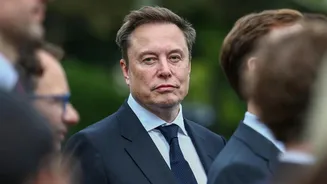
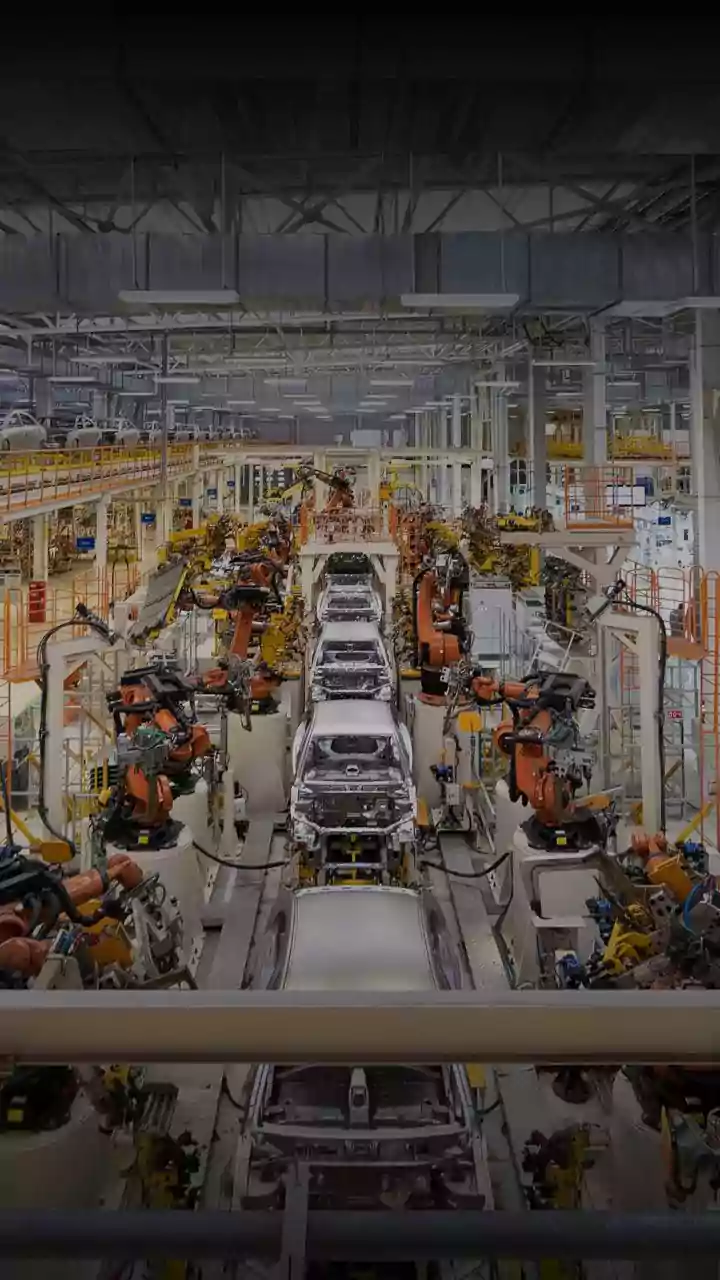
While some analysts view the end of the Cybertruck as a failure to penetrate the lucrative American pickup market, Musk has framed the decision as a strategic reallocation of capacity. In a recent post, he pushed back against claims that the Cybertruck was unprofitable, stating that the 'opportunity cost' of its complexity was outweighed by the value of producing more Cybercabs. The Cybertruck's manufacturing process, particularly its stainless-steel exoskeleton, proved to be incredibly difficult to scale. In a 2023 earnings call, Musk famously said, 'We dug our own grave with Cybertruck'. In contrast, the Cybercab is being designed for revolutionary and highly efficient mass production, with a target of eventually building millions of units per year. This pivot suggests Tesla is choosing to focus its efforts on a product it believes will define the future of transportation, rather than continuing to wrestle with a low-volume, complex vehicle.
The Road to a Robotaxi Future
Tesla's path forward is ambitious and not without challenges. The company is aiming for mass production of the Cybercab to begin in earnest through 2027, with the goal of expanding its robotaxi service to numerous cities. However, achieving true, unsupervised full self driving at scale remains a monumental technical and regulatory hurdle. Competing services, like Alphabet's Waymo, are already operational in several cities, meaning Tesla is not without rivals in the autonomous space. The success of the Cybercab will depend heavily on Tesla's ability to perfect its Full Self Driving (FSD) software and navigate a complex web of safety certifications. For now, the transition is clear: Tesla is betting its future not on the vehicles you drive, but on the vehicles that will one day drive you.