



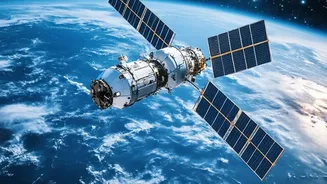
What Am I Looking For?
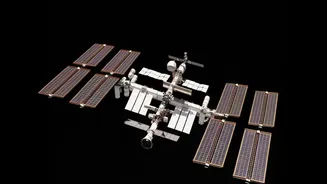
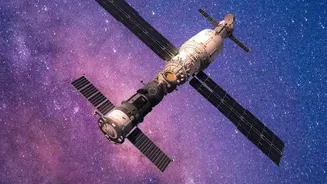
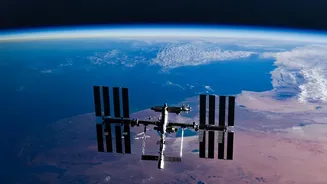
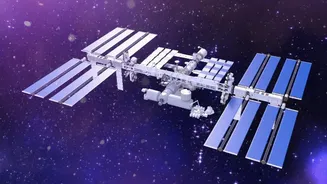
Spotting the ISS is a surprisingly simple and awe-inspiring experience. To the naked eye, it appears as a very bright, fast-moving point of light, similar to a high-flying aeroplane but without any flashing lights. It crosses the sky in a matter of minutes,
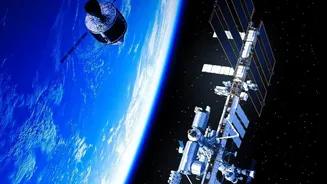
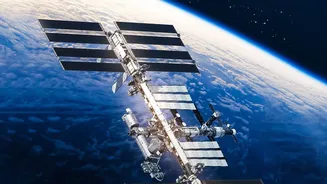
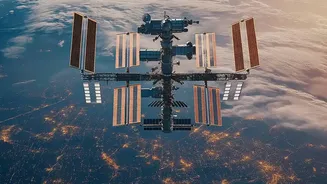
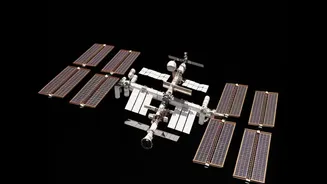
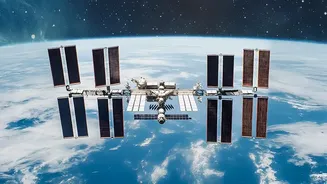
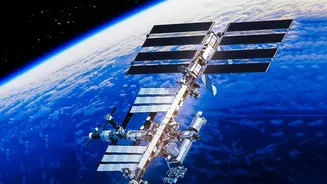
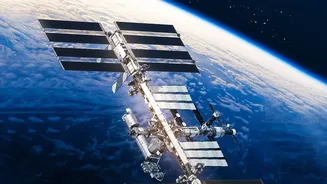
shining with a steady, brilliant white glow. The reason it's visible is that its massive solar panels reflect sunlight back down to Earth. Even from the middle of a city, it can often outshine every other object in the night sky except for the Moon. The best times to look for it are during dawn or dusk. This is the sweet spot when the sky is dark where you are, but the station, orbiting 400 kilometres above, is still bathed in sunlight.
The Best Apps for the Job
The secret to an effortless sighting is your smartphone. Several fantastic apps use your device's GPS and the latest orbital data to tell you exactly when and where to look. They can send you alerts a few minutes before a pass begins, so you never miss an opportunity. Here are some of the most reliable and user-friendly options available for both Android and iOS.
NASA's Spot The Station
For an official and straightforward tool, NASA's own "Spot The Station" app is a top choice. Developed by NASA, it provides a simple list of upcoming sighting opportunities for your exact location. Its key feature is its simplicity and reliability. The app offers an augmented reality (AR) view, using your camera to show you the station's exact path across the sky. It also provides push notifications to remind you of upcoming passes, ensuring you have plenty of time to get outside. This app is perfect for beginners who want accurate information directly from the source.
ISS Detector
ISS Detector is another crowd favourite, known for its user-friendly interface. The free version provides precise predictions for ISS passes and will even check local weather conditions, letting you know if clouds might spoil your view. One of its most praised features is the radar screen, which gives you a dynamic compass display to help you orient your phone and find the satellite in the sky. For a small fee, you can expand the app to track many other famous satellites, including the Hubble Space Telescope and Starlink trains.
Heavens-Above
A long-standing favourite among amateur astronomers, the Heavens-Above website now has a companion app (primarily for Android) that is powerful and precise. While its interface is more functional than flashy, it provides incredibly detailed information, including live sky charts showing a satellite's position against background constellations. The app is highly recommended by satellite trackers for its accuracy and comprehensive database. It can generate a list of all visible passes for an evening, making it a great tool for planning a whole night of stargazing.
Tips for a Perfect Sighting
Once you have an app and a viewing time, a little preparation goes a long way. Find a spot with a clear view of the sky, away from tall buildings and bright streetlights. Give your eyes about 15 minutes to adjust to the darkness. When the time comes, use the app's compass or AR feature to know which direction the station will appear from—it typically rises in the west. A pass can last anywhere from less than a minute to over five minutes, depending on its path. Remember that you're watching a 450,000-kilogram laboratory orbiting the Earth at 28,000 kilometres per hour with astronauts living and working aboard. The simple act of looking up connects you directly to the human endeavor in space.