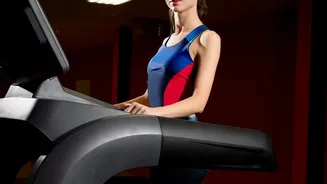






The Intense Option: Understanding HIIT
High-Intensity Interval Training (HIIT) involves short, all-out bursts of exercise followed by brief recovery periods. A typical session lasts between 15 and 30 minutes. Think of it as sprinting for 30 seconds, then walking for 60 seconds, and repeating
this cycle. The goal is to push your heart rate to 80% or more of its maximum during the intense intervals. This method is incredibly time-efficient, making it a popular choice for those with busy schedules. Any exercise can be adapted for HIIT, from running and cycling to bodyweight movements like burpees and jump squats.
Why Choose HIIT?
The biggest advantage of HIIT is its efficiency. You can achieve significant health benefits in a short amount of time. One of its key benefits is the 'afterburn effect', scientifically known as Excess Post-Exercise Oxygen Consumption (EPOC). After a HIIT workout, your body continues to burn calories at a higher rate for hours as it recovers. This makes it highly effective for fat loss. HIIT is also excellent for improving cardiovascular health, boosting your metabolism, and even preserving or building muscle mass. For a desk worker, a quick 20-minute HIIT session during a lunch break can effectively combat the metabolic slowdown from sitting.
The Steady Choice: Understanding LISS
Low-Intensity Steady-State (LISS) cardio is the opposite of HIIT. It involves performing an aerobic activity at a consistent, low-to-moderate intensity for a longer duration, typically 30 to 60 minutes or more. During a LISS workout, your heart rate should remain steady at around 50-65% of your maximum. Common examples include brisk walking, jogging, cycling at a comfortable pace, or swimming. It's the kind of activity where you could hold a conversation without getting too breathless.
Why Choose LISS?
LISS is much gentler on the body, making it an excellent choice for beginners or those with joint issues. Because it's less stressful on the muscles and joints, recovery is quicker, and it can be performed more frequently. LISS is fantastic for building endurance, improving your body's ability to use fat for fuel, and aiding in recovery after more intense workouts. For desk workers, a LISS session can be a great way to de-stress and promote mental well-being after a long day. A 45-minute walk while listening to a podcast can help clear your mind and add significant movement to your day without causing exhaustion.
The Desk-Job Dilemma: Which Is Best For You?
The right choice depends entirely on your goals, fitness level, and schedule. If your main goal is rapid fat loss and you're short on time, HIIT is a powerful tool. Its efficiency is perfect for squeezing in a workout before or after work, or even during lunch. However, HIIT is demanding and carries a higher risk of injury if not performed with proper form. On the other hand, if you prefer a more relaxed pace, are new to exercise, or want a low-impact option that aids in stress reduction, LISS is the superior choice. Its main drawback is the time commitment, as sessions need to be longer to be effective. Many people find LISS more sustainable in the long run because it's less intimidating.
The Hybrid Approach: Getting the Best of Both Worlds
You don't have to choose just one. In fact, a balanced routine that incorporates both HIIT and LISS is often the most effective and sustainable approach. You could perform two or three HIIT sessions per week to maximize fat burning and metabolic benefits. On the other days, you can use LISS sessions for active recovery, endurance building, and stress relief. For example, a HIIT workout on Tuesday and Thursday, with longer, slower walks or cycles on Monday, Wednesday, and Friday, creates a well-rounded plan. This strategy leverages the strengths of each method while minimizing their drawbacks, keeping your body challenged and preventing workout boredom.