





The Grand Promise of Renewal
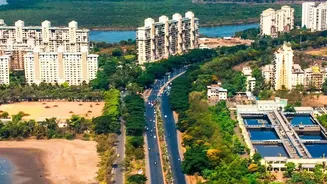
Across Mumbai, from the historic BDD chawls to the sprawling expanse of Dharavi, the skyline is being radically reshaped. With a scarcity of open land, redevelopment has become the city's primary engine for creating new housing. This isn't just about
replacing old buildings; it's about a systemic transformation from single-plot repairs to large-scale 'cluster redevelopment', which combines entire neighbourhoods into unified projects. The government's stated goals are ambitious: to replace dilapidated structures, create safer and more modern living conditions, and unlock land in the heart of the city. Projects like the Dharavi Redevelopment Project aim to provide eligible residents with new flats and integrate them into the formal urban fabric with improved amenities. For the first time, sales from redevelopment projects are outpacing new launches, signalling a major shift in the market.
A Shifting Definition of 'Affordable'
While redevelopment provides new homes for existing tenants, the apartments sold on the open market tell a different story about affordability. These new properties, often located in prime areas, cater primarily to the premium and luxury segments. For instance, new projects in redeveloped corridors like Worli and Bandra command high prices, with significant appreciation in recent years. This influx of high-end inventory risks pushing the very meaning of 'affordable' upwards, making it harder for middle-class families to buy a home. Mumbai's housing affordability index already indicates that an average household may spend half its income on EMIs, and the new wave of premium housing stock does little to ease this pressure for first-time buyers. The choice for many is becoming a modern, but smaller, apartment in a central redeveloped area or a larger home in the farther suburbs.
The Social Fabric of High-Rise Living
The move from low-rise chawls and close-knit slum communities to vertical towers represents a profound social shift. For generations, the BDD chawls, for example, have fostered a unique culture of community living, which is now being transitioned into the more anonymous environment of skyscrapers. While residents may receive larger, 500-square-foot flats compared to their old 160-square-foot tenements, this physical upgrade comes at the cost of disrupting deeply embedded social and economic networks. Furthermore, the initial experience for some in these new buildings has been challenging, with reports of poor construction quality, maintenance issues, and problems with basic amenities like water supply shortly after moving in. This transition highlights a key tension: redevelopment provides better individual housing but can erode the collective community spirit that defined old Mumbai neighbourhoods.
More Towers, More Strain?
The city's redevelopment boom is accelerating its vertical growth. Policies allowing for a higher Floor Space Index (FSI) near transit hubs are encouraging the construction of taller, denser buildings. This strategy, known as transit-oriented development, aims to improve connectivity. However, packing more people into the same areas puts immense pressure on existing infrastructure. Critics argue that unless roads, water supply, sewage systems, and public open spaces are upgraded at the same pace, this increased density could lead to more congestion and strain on civic services. The success of cluster redevelopment, which is supposed to include infrastructure planning, will be crucial. These integrated projects are designed to create more organised layouts with amenities, but their implementation at scale remains a significant challenge.
What Homebuyers Can Expect Next
For anyone looking to buy a home in Mumbai in the coming years, the market will be increasingly dominated by properties born from redevelopment. The share of redevelopment projects in total housing sales has already jumped to 15% in 2025-26 from 6% in previous years. This means more choices for new homes in established, centrally-located neighbourhoods without the long wait for infrastructure that often accompanies projects on the city's outskirts. However, these choices will largely be apartments in high-rise towers within large, gated communities or integrated townships. The era of finding a quaint, low-rise apartment or an independent house in many parts of the city is fading, replaced by a modern, vertical, and amenity-rich—but often more expensive—vision of urban living.