

The Great Breakfast Rethink
A significant shift is happening in kitchens across urban India. For years, the breakfast aisle in supermarkets was dominated by processed, packaged cereals, often marketed as a quick and healthy start to the day. However, a growing number of health-conscious
consumers are now questioning these claims, turning away from sugary, refined-carb options and looking back towards traditional Indian foods. This isn't just about nostalgia; it's a conscious decision fueled by a deeper understanding of nutrition and a desire for authenticity on the breakfast plate. The result is a revival of ancient grains, particularly millets, which are now being reimagined for the modern palate.
The Nutritional Power of Millets
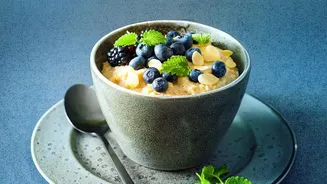
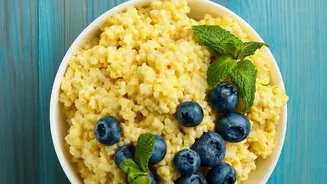
Millets, once a staple in Indian diets before the Green Revolution prioritized wheat and rice, are making a powerful comeback. These hardy grains, including ragi (finger millet), jowar (sorghum), and bajra (pearl millet), are nutritional powerhouses. Compared to refined cereals, millets are vastly superior, offering higher fibre, more protein, and a wealth of essential minerals like iron and calcium. They also have a low glycemic index, meaning they release energy slowly and prevent the sharp blood sugar spikes associated with processed foods, making them ideal for managing diabetes and weight. The United Nations declaring 2023 the 'International Year of Millets' only amplified the conversation, highlighting their role in both nutritional security and climate-resilient agriculture.
Convenience Meets Tradition
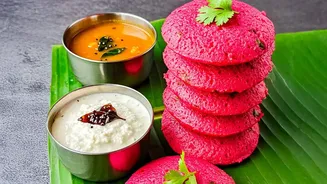
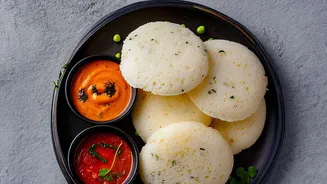
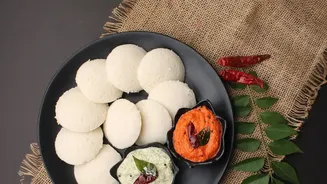
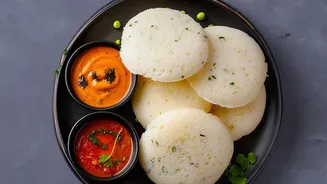
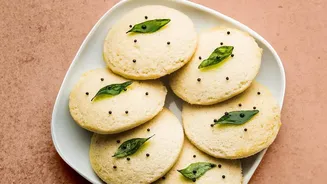
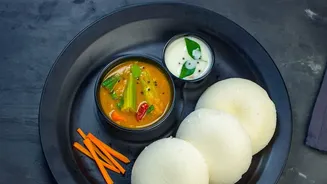
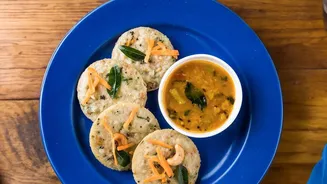
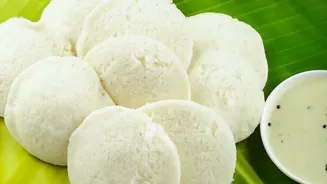
The primary barrier to adopting traditional breakfasts has always been the perception of time and effort. But today's market is bridging that gap. The revival is not asking busy urbanites to spend hours grinding grains. Instead, a wave of food startups and established brands are offering innovative, convenient solutions. Ready-to-cook millet idli and appam batters are now widely available in supermarkets and online, making it possible to serve a fresh, steaming, and healthy breakfast in minutes. These products combine the goodness of millets with the convenience that modern lifestyles demand, proving that healthy eating doesn't have to be complicated.
From Idli and Appam to a Cultural Statement
This dietary shift is about more than just calories and nutrients; it's a cultural movement. Choosing a millet idli over a bowl of cornflakes is a way of reclaiming culinary heritage and supporting local food systems. For many, it represents a move away from a 'Western-style' diet of ultra-processed foods towards meals that are grounded in Indian tradition and better suited to the local climate and palate. Fermented foods like idli and dosa are also incredibly beneficial for gut health, a concept deeply understood in traditional food wisdom long before it became a wellness trend. This movement empowers consumers to make choices that nourish their bodies while also supporting sustainable farming practices, as millets require far less water and inputs than wheat and rice.
The Future of the Indian Breakfast Plate
The trend of millet-based breakfasts is expanding beyond just idlis and appams. The market is now flooded with millet-based versions of everything from dosa and upma to bread and noodles, catering to a generation that values both health and variety. This movement from niche health food stores to mainstream supermarket aisles signals a lasting change in consumer behaviour. Recent surveys indicate a significant portion of urban households now regularly incorporate millets into their diet, driven by health awareness and the availability of convenient products. This isn't a fleeting trend but a fundamental re-evaluation of what constitutes a healthy, satisfying, and sustainable start to the day.