





The Myth of Individual Willpower
Every year, countless urban Indians resolve to get healthier. We buy gym memberships, download calorie-tracking apps, and promise ourselves more morning walks. Yet, these ambitions often crash against the hard realities of city life. The dominant narrative
places the responsibility for health squarely on the individual. But this perspective overlooks a crucial truth: our environment profoundly shapes our choices. When a city is designed with crowded streets, poor air quality, and limited access to safe public spaces, personal motivation can only go so far. This is the reality of structural barriers—systemic obstacles embedded in our urban infrastructure that make healthy choices difficult, and unhealthy ones easy.
The Daily Obstacle Course
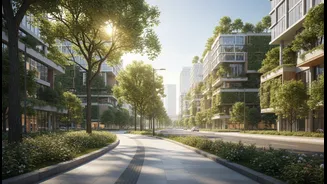
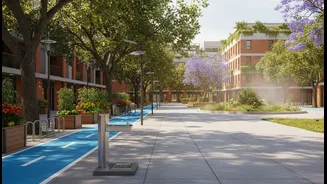
Consider the simple act of walking or cycling. In many Indian cities, this is not a pleasant form of exercise but a high-stress, high-risk activity. The lack of dedicated, protected lanes, coupled with chaotic traffic and unsafe pedestrian infrastructure, makes active transport a daunting choice. Long commute times, a staple of life in metros like Mumbai and Bengaluru, steal hours that could be spent on physical activity or preparing nutritious meals. The daily grind itself—navigating overcrowded public transport and relentless noise—contributes to chronic stress, which has well-documented negative effects on physical and mental health. These aren't personal failings; they are design flaws in our urban ecosystem.
The Air We Breathe, The Parks We Can't Find
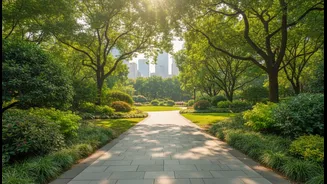
Even if you find the time and space to exercise outdoors, the environment can work against you. Air pollution in most major Indian cities frequently reaches hazardous levels, turning a morning jog into a health risk. During physical activity, we breathe more deeply, increasing our intake of harmful pollutants. While some studies suggest the benefits of exercise can still outweigh the risks even in polluted cities, they also warn this effect diminishes at higher pollution levels. Compounding this is the scarcity of accessible green spaces. Parks and public gardens are not just luxuries; they are essential for physical activity, mental relaxation, and community well-being. However, many urban neighbourhoods lack any parks, and existing ones are often poorly maintained or have exclusionary timings, putting them out of reach for many citizens.
The Urban Food Environment
Healthy living is also about what we eat, and here too, the urban environment presents significant challenges. The ready availability of cheap, aggressively marketed processed foods high in fat, sugar, and salt makes them the convenient option for time-strapped city dwellers. Conversely, accessing fresh, affordable produce can be difficult, especially for those in lower-income neighbourhoods which may function as 'food deserts'. The rise of dining out and food delivery apps further fuels the consumption of non-nutritious meals. This has contributed to a paradoxical situation where urban India is grappling with rising rates of obesity and non-communicable diseases like diabetes, even while undernutrition persists.