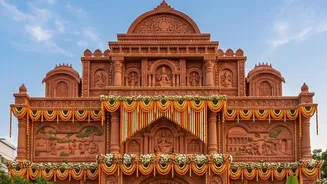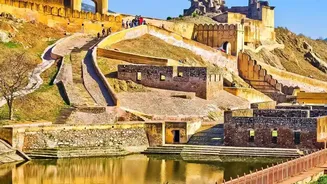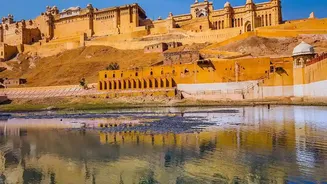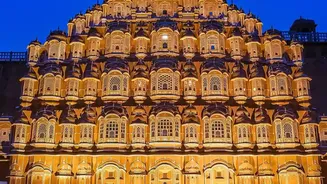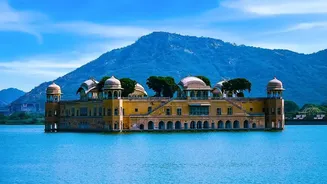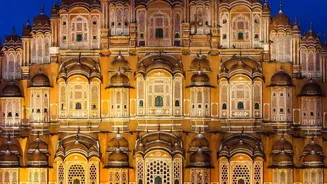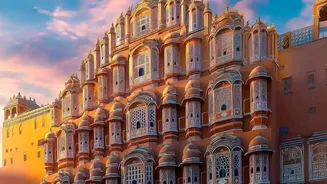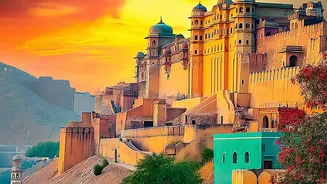


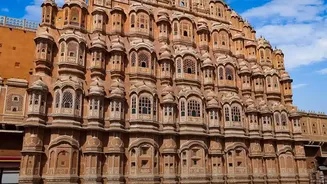
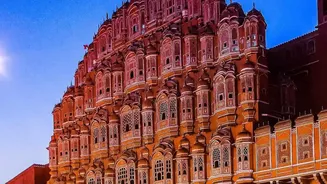
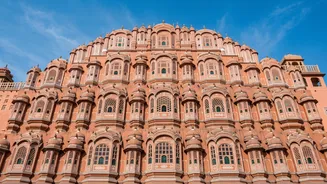
Jaipur's recent recognition on a prestigious global travel list is no surprise to those who know it. This honour celebrates the city's soul: its centuries-old craftsmanship and bustling, treasure-filled markets that continue to thrive.
A Legacy Forged in Colour and Craft
Jaipur's inclusion
in lists celebrating the world's best destinations often points to its living heritage. The city, founded in 1727 by the visionary Maharaja Sawai Jai Singh II, was designed not just as a capital but as a thriving hub for commerce and artistry. This royal patronage drew artisans from across the country, laying the groundwork for a culture of craftsmanship that defines Jaipur to this day. This heritage is so integral to its identity that it's recognised as a UNESCO World Heritage City, celebrated for its unique urban planning and, most importantly, its vibrant artisan communities that are the beating heart of its economy and culture.
The Allure of Johari Bazaar
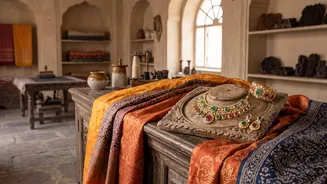
No exploration of Jaipur's crafts is complete without a walk through Johari Bazaar, the city's legendary jewellery market. The name itself means 'Jeweller's Market', and its glittering lanes live up to the title. Established in the 18th century, it is a treasure trove of precious and semi-precious stones, from emeralds and sapphires to the famous blue topaz. This is the epicentre for traditional Rajasthani techniques like Kundan, where gemstones are meticulously set in gold, and Meenakari, the art of enamelling intricate designs onto metal. More than just a market, Johari Bazaar is a living museum where you can see artisans in their 'gaddis' (workstations), practising skills passed down through generations.
The Enduring Charm of Blue Pottery
One of Jaipur's most famous crafts is its distinctive Blue Pottery, a technique with Turko-Persian origins that arrived in India centuries ago. Unlike most pottery, it is not made from clay. Instead, it uses a unique paste of ground quartz stone, powdered glass, and fuller's earth (Multani Mitti). This gives the final products a delicate, semi-translucent quality. The striking cobalt blue colour, used for intricate floral and geometric motifs, comes from cobalt oxide and is famously durable. While this art form nearly vanished by the 1950s, dedicated revival efforts have ensured that this beautiful craft continues to flourish, with workshops on MI Road and stalls in Chandpole Bazaar showcasing everything from decorative tiles and vases to modern tableware.
A Symphony of Block-Printed Textiles
Jaipur is synonymous with handblock printed textiles, particularly the famous Sanganeri and Bagru prints. Both traditions involve stamping fabric with intricately carved wooden blocks, but they have distinct styles. Sanganeri prints, from a village south of Jaipur, are known for their fine lines and delicate floral motifs, often on a white or lightcoloured background. In contrast, Bagru prints, from a village to the west, are characterised by bolder, geometric patterns and earthy tones derived from natural dyes like indigo and madder. These fabrics, which are granted Geographical Indication (GI) status, can be found in bustling markets like Bapu Bazaar, transformed into everything from light summer quilts (razai) to stylish apparel and home linens.
Beyond the Big Names: Exploring Other Bazaars
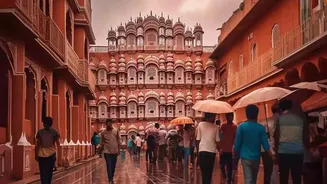
While Johari Bazaar draws the crowds, Jaipur's other markets offer their own unique specialities. Tripolia Bazaar is famous for its lac bangles, where artisans craft colourful bracelets in a myriad of designs. For leather goods, especially the embroidered 'juttis' or 'mojaris', Nehru Bazaar and Bapu Bazaar are the go-'to destinations. Meanwhile, Chandpole Bazaar is a hub for handicrafts, particularly marble sculptures and wood carvings. Exploring these markets is about more than just shopping; it's an immersion into the sounds, sights,' and creative spirit of the Pink City,' where every lane offers a new discovery.