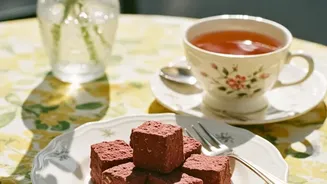

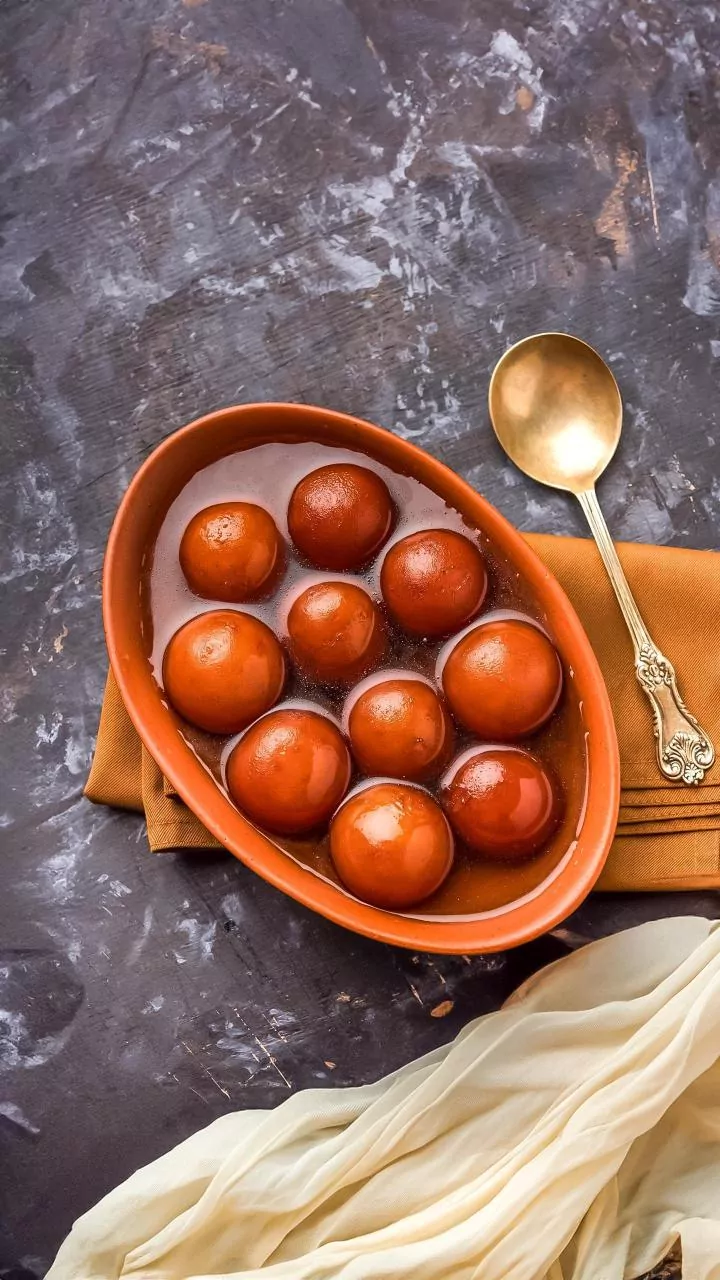
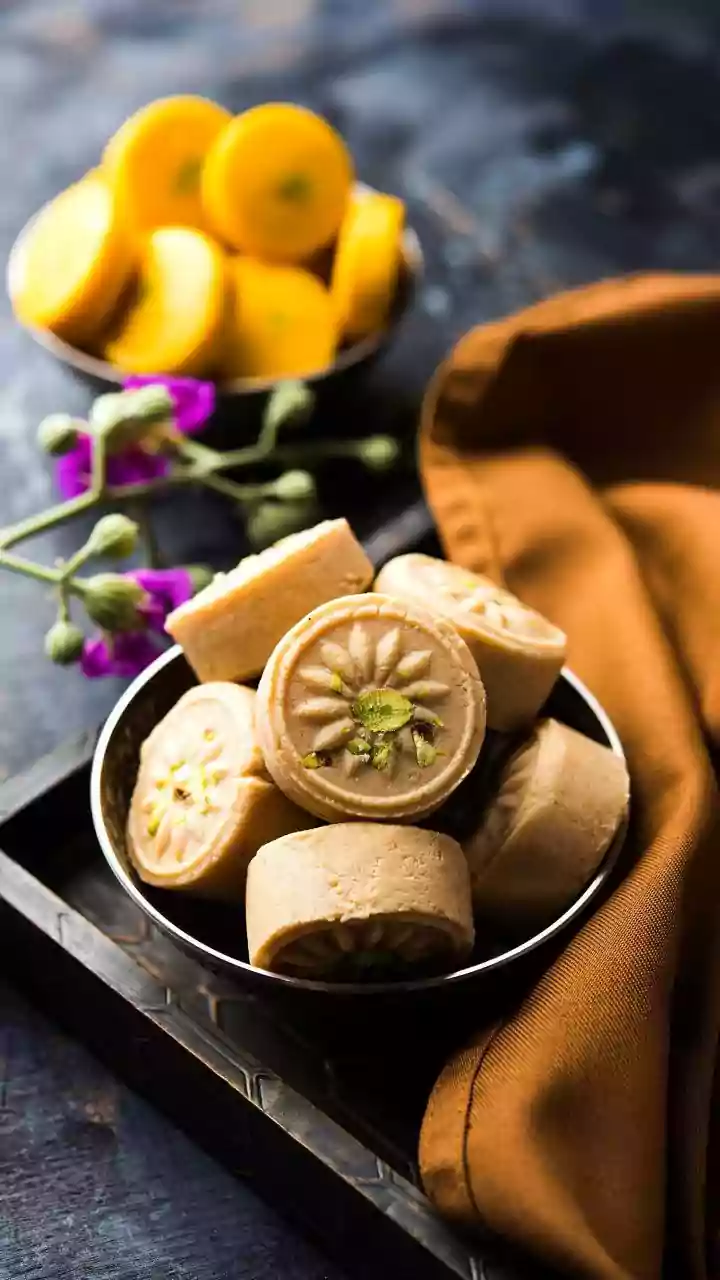
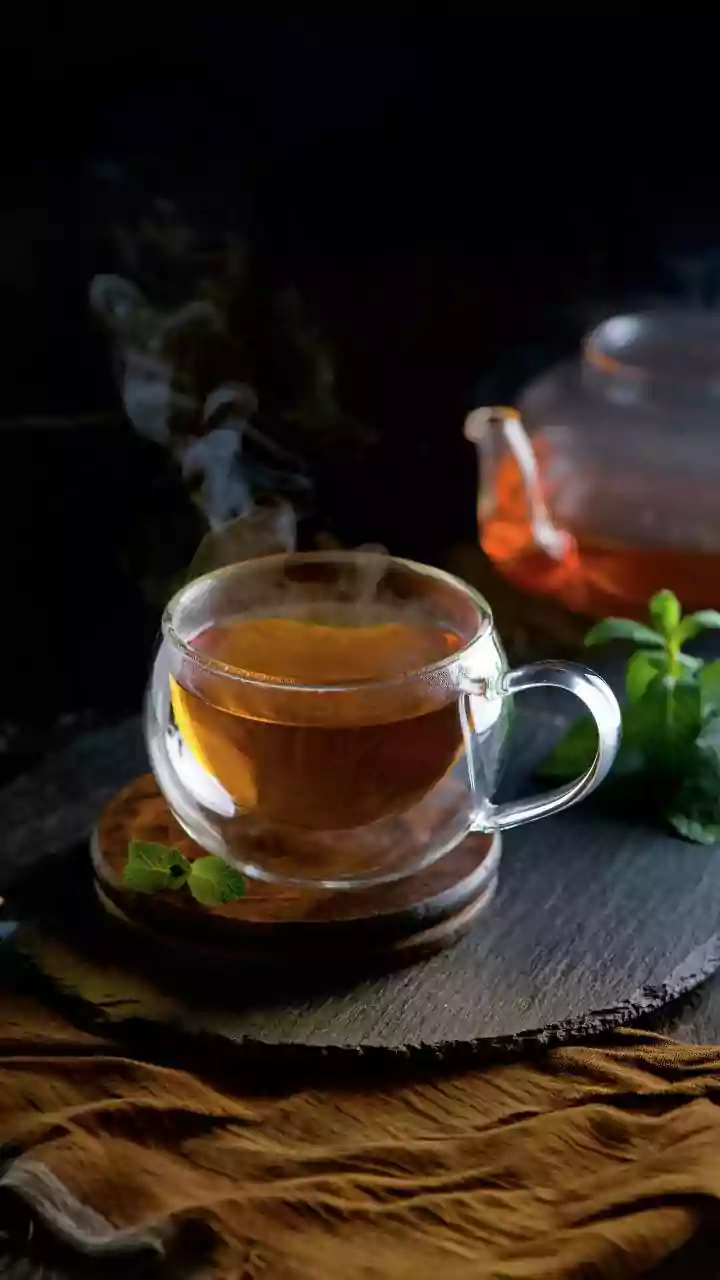
The Philosophy of Pairing
The goal of a tea tasting is to appreciate the nuanced flavours and aromas of different teas. Unlike a casual afternoon tea where food might play a leading role, here the snacks are supporting actors. The principle is to choose bites that cleanse the palate
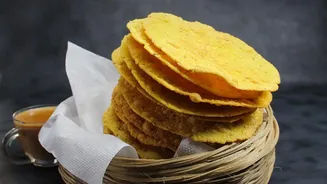
or offer a gentle contrast, rather than introducing bold, competing flavours. Heavily spiced, greasy, or sugary foods can overwhelm your taste buds, making it difficult to discern the subtle notes in a delicate white or green tea. Bland items, like plain crackers or cookies, are often recommended to simply provide a neutral canvas between sips.
Classic Savoury Bites
Savoury snacks should be mild and refreshing. Crustless finger sandwiches are a timeless choice for a reason. Fillings like cucumber and cream cheese, egg salad, or very mild cheese offer a soft texture and subtle flavour that won’t clash with the tea. Another excellent option is a platter of mild cheeses, such as brie or goat cheese, served on plain crackers. For something a bit different, consider mini quiches with simple fillings like spinach and cheese, or even plain roasted chickpeas for a satisfying, healthy crunch.
Subtly Sweet Treats
When it comes to sweets, think 'less is more'. The goal is to complement the tea, not to induce a sugar rush. Scones with jam and cream are a quintessential pairing, especially for black teas, as their buttery richness highlights the tea's depth. Plain shortbread, almond biscotti, and simple butter cookies are also ideal as their sweetness is muted and their texture is perfect for dipping. For a lighter option, consider madeleines, a simple sponge cake, or a platter of fresh, seasonal fruit like sliced pears, berries, and melon.
Matching Snacks to Tea Types
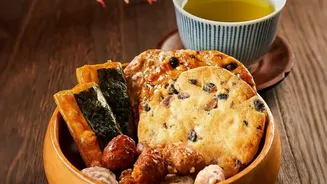
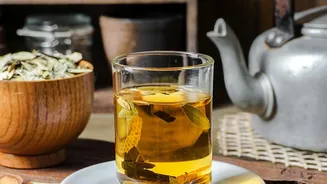
While most light snacks are versatile, you can elevate the experience by pairing specific flavours with different tea categories. Delicate white and green teas, known for their grassy or floral notes, pair beautifully with light and refreshing foods like rice crackers, fresh vegetables, or white fish. Oolong teas, which can range from floral to smoky, work well with fruity desserts or herby dishes. Robust and full-bodied black teas can stand up to slightly richer foods like scones, dark chocolate, and even savoury pastries. For caffeine-free herbal teas like chamomile or mint, complement their profiles with honey-glazed nuts or soft cheeses.
Tips for Hosting Your Tasting
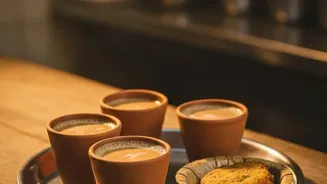
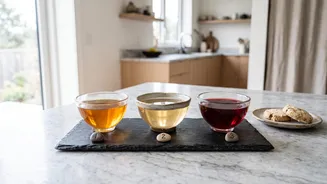
A successful tasting is about more than just the food. To keep the focus on the tea, start by selecting three to five different types, perhaps organized by a theme like region or processing style. Arrange them in order of intensity, from lightest to strongest (e.g., white, green, oolong, black). Use small, white cups so guests can appreciate the colour of each brew. Provide water for rinsing palates between teas and notecards for guests to jot down their impressions. Most importantly, pay attention to brewing times and water temperatures to ensure each tea reveals its true character. Let the tea cool slightly before sipping to allow the full range of flavours to emerge.