
What Are the Perseids?
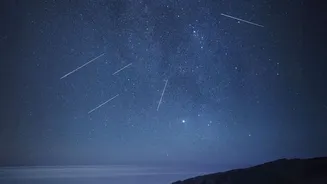
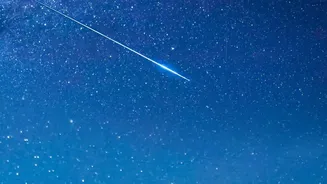
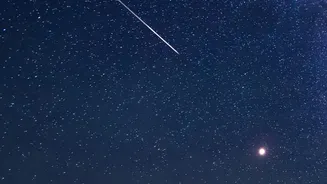
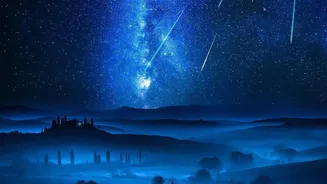
The Perseid meteor shower is one of the most reliable and spectacular meteor showers of the year, known for producing a high rate of bright, fast-moving meteors. These aren't stars falling from the sky, but tiny bits of cosmic debris left behind by a giant
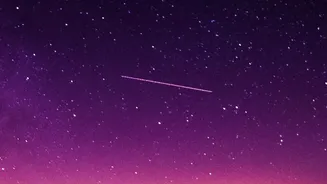
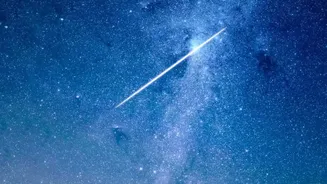
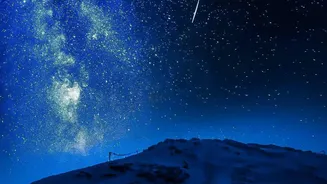
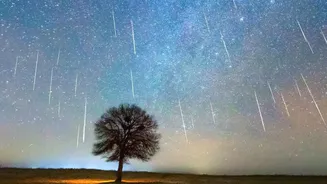
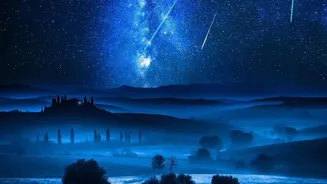
comet named 109P/Swift-Tuttle. This comet takes 133 years to orbit the sun, and as it travels, it leaves a trail of dust and rock in its wake. Every August, Earth's own orbit takes it directly through this debris field. When these particles, many no bigger than a grain of sand, hit our atmosphere at immense speeds, they burn up, creating the brilliant streaks of light we call meteors or shooting stars. The Perseids are also known for producing exceptionally bright meteors called fireballs, which can create larger, more colourful explosions of light that last longer than a typical meteor streak.
A Perfect Year for Viewing
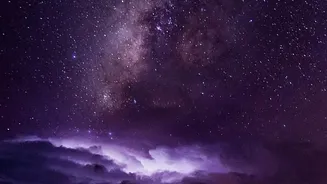
What makes 2026 a standout year for the Perseids in India is the phase of the moon. The shower is predicted to peak on the night of August 12 and into the pre-dawn hours of August 13. Crucially, a new moon is scheduled for August 12. This means the sky will be completely dark, without any moonlight to wash out the fainter meteors. Bright moonlight is the single biggest spoiler of any meteor shower viewing, and its absence this year creates a huge advantage. Under these ideal, dark-sky conditions, observers could potentially see between 50 and 100 meteors per hour. This 'lunar advantage' means even casual observers have a much better chance of witnessing a truly memorable celestial display.
When and Where to Watch in India
While the global peak is predicted for the evening of August 13, the best viewing window for India will be in the early morning hours of both August 12 and August 13. Your best bet is to look up between midnight and the first light of dawn, around 4:30 AM. The key to a successful viewing is getting away from city lights. Light pollution from urban areas drastically reduces the number of visible meteors. Find the darkest spot you can, whether it's a rural area, a hilltop, or a remote beach. One significant challenge for much of India is the monsoon season, as cloud cover can obstruct the view. For the best chance of clear skies, consider traveling to rain-shadow regions. High-altitude locations like Ladakh and Spiti Valley are considered prime viewing spots due to their dry weather and clear, dark skies. Other promising areas include the arid deserts of Rajasthan and the Rann of Kutch in Gujarat.
How to Get the Best Experience
You don't need any special equipment to enjoy the Perseids — your eyes are the best tool for the job. Telescopes and binoculars are not recommended as they limit your field of view, and you'll want to see as much of the sky as possible. Find a comfortable spot where you can lie on your back or recline in a chair to get a wide view of the sky. Give your eyes at least 20 to 30 minutes to fully adjust to the darkness; this means avoiding looking at your phone or any other bright lights. If you need a light, use a torch covered with a red filter to preserve your night vision. The meteors will appear to radiate from the constellation Perseus in the northeast, but they can streak across any part of the sky, so it's best to just lie back and look up. Patience is key; meteors often come in spurts, so give yourself at least an hour of viewing time.