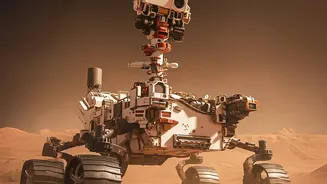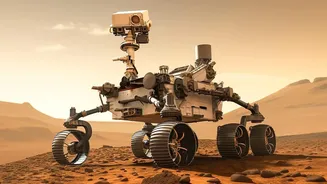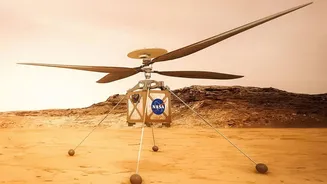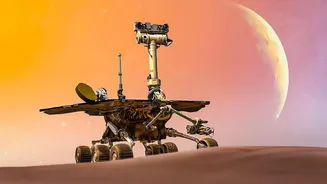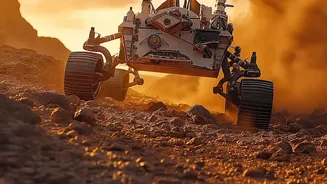


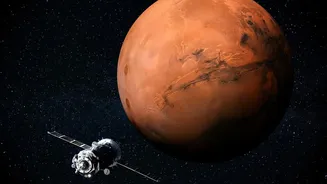
It's one of humanity’s most audacious goals: fetching rocks from another planet and bringing them home. NASA just hit refresh on its plan to do exactly that, launching a new blueprint for the epic journey to retrieve samples from Mars.
What is the PSRA Plan?
NASA has initiated
a new strategy called the Perseverance Sample Retrieval Architecture, or PSRA. This isn't a physical spacecraft launch, but the launch of a new strategic plan. Think of it as the space agency taking a fresh look at a very complex and expensive problem. The Mars Sample Return (MSR) mission has long been a top priority, but previous plans were estimated to cost as much as $11 billion and wouldn't get the samples back to Earth until 2040. Faced with this 'sticker shock', NASA decided a rethink was in order. The PSRA team will kick off its work in January 2027 with the goal of developing more efficient, cost-effective, and impartial recommendations for retrieving the precious cargo collected by the Perseverance rover.
An Interplanetary Delivery Service
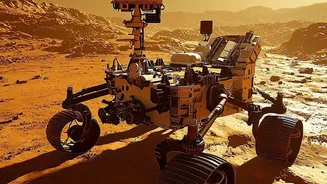
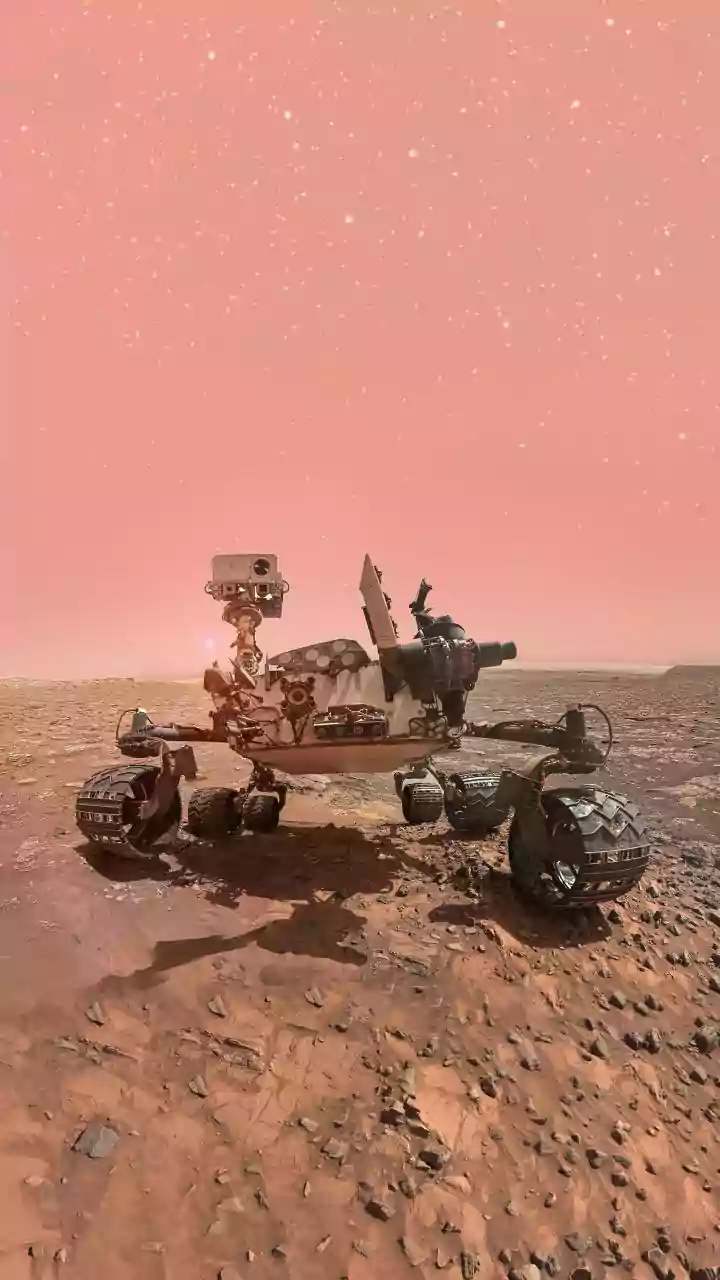
So, how do you get rocks from Mars to Earth? The challenge is immense. The Perseverance rover is currently drilling and sealing compelling rock and soil samples into pen-sized titanium tubes in Mars's Jezero Crater. The original multi-part plan involved a second lander to fetch these tubes, a small rocket (the Mars Ascent Vehicle) to blast them into Martian orbit, and a third spacecraft (the Earth Return Orbiter, built by the European Space Agency) to catch the orbiting container and fly it back to Earth. The new PSRA initiative will re-evaluate every part of this complex relay race, looking at all current capabilities and lessons learned to streamline the process. The goal remains the same, but the method is now open for a complete overhaul to get it done faster and cheaper.
Why Are These Rocks So Important?
Bringing Martian samples to Earth is about answering one of the biggest questions we have: did life ever exist on Mars? While Perseverance has powerful instruments, the most sophisticated labs are here on Earth. Analyzing these samples with state-of-the-art equipment could reveal definitive signs of ancient microbial life, something a rover alone cannot confirm. The selected igneous and sedimentary rocks are like time capsules. They can tell scientists about the planet's volcanic history, when water flowed freely, and what the ancient environment was like. This information is crucial not just for understanding Mars, but for learning more about how rocky planets like our own form and evolve.
The Challenges and a New Space Race
Returning samples is arguably one of the most difficult robotic missions ever attempted. It requires launching a rocket from the surface of another planet, orchestrating a rendezvous in Mars orbit, and ensuring the samples return to Earth without being contaminated—or contaminating our own biosphere, a process known as planetary protection. Adding pressure to NASA's timeline is the fact that it's not the only nation with this goal. China is moving forward with its own ambitious Tianwen-3 sample return mission, which aims to launch around 2028 and return samples as early as 2031. This has been described by some as a potential 'Sputnik moment', adding a competitive edge to the scientific quest. NASA's PSRA will deliver its final report in the winter of 2027–2028, setting the stage for the next chapter in this interplanetary pursuit.