


The Pre-Commute Dread
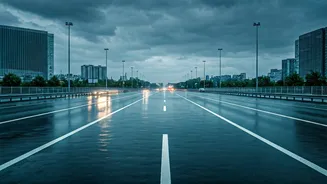
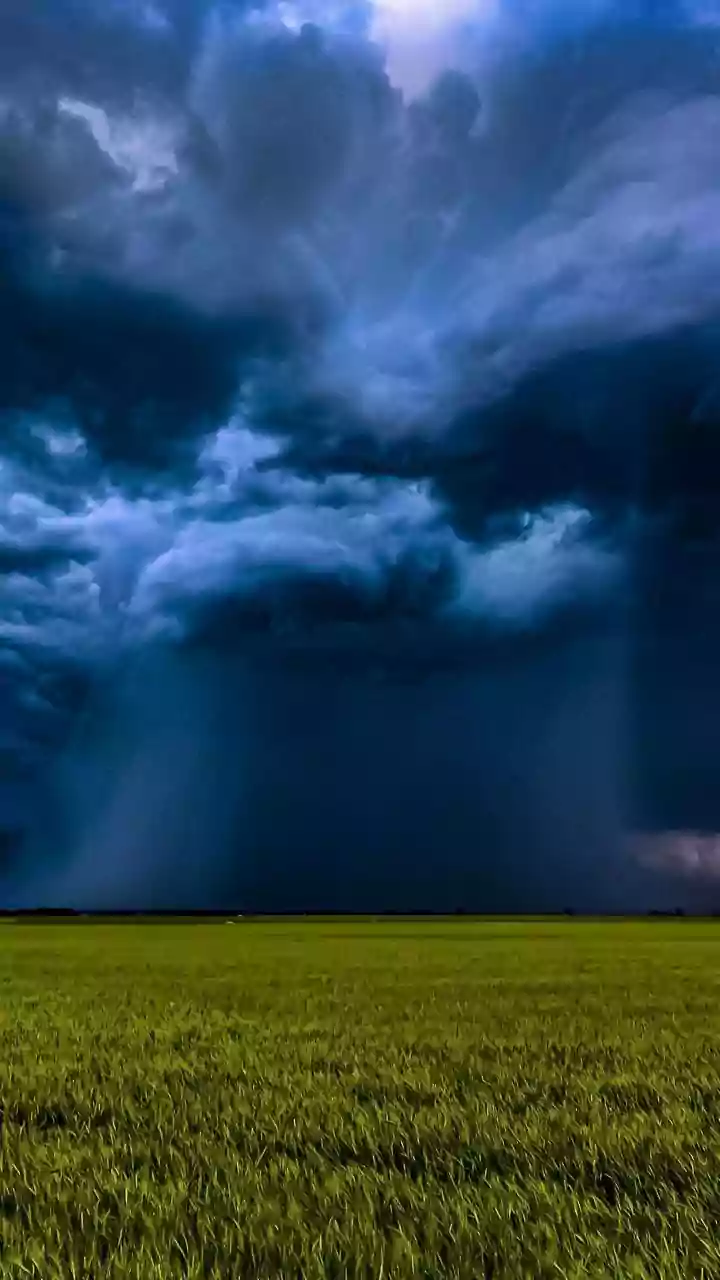
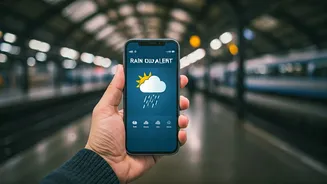
It begins with a notification. The India Meteorological Department (IMD) issues a yellow or red alert, forecasting heavy showers just as the city prepares to move. After weeks of sweltering heat, the rain should be a relief, but for the daily commuter,
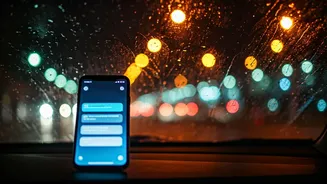
it's the start of a familiar strategic game. Phones light up with frantic messages: “Is it raining in your area yet?” “Should I leave early?” “Which weather app do you trust?” The brief joy of cooler temperatures is quickly overshadowed by the looming spectre of the commute. This year is no different, with pre-monsoon showers in late June and early July setting the stage for the main event, reminding everyone of the chaos to come.
Every Route is the Wrong Route
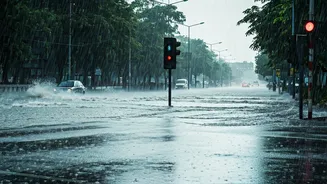
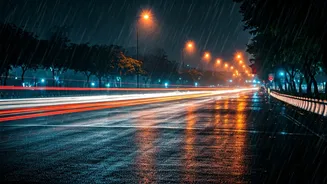
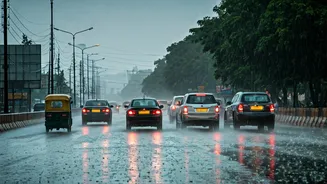
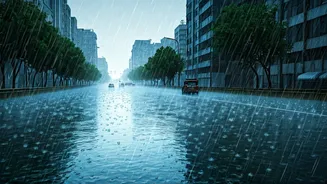
Once on the road, the group chat transforms into a real-time, crowdsourced traffic alert system, often proving more agile than official channels. A friend sends a photo of a submerged underpass near IFFCO Chowk. A colleague posts a video of traffic at a standstill on the Delhi-Gurgaon expressway. Google Maps turns a furious, hopeless shade of red across every conceivable artery. The digital conversation becomes a desperate attempt to outsmart the gridlock. “Avoid SPR at all costs!” one message warns. “Is Dhaula Kuan moving?” another pleads. Invariably, every shortcut becomes a bottleneck, and every flyover a parking lot, a reality residents face annually. This shared intelligence, however, rarely leads to a quicker journey; instead, it fosters a sense of communal entrapment.
The Meme-ification of Misery
When frustration peaks, humour becomes the only escape valve. The group chat, once a source of logistical intel, morphs into a gallery of memes. There’s the classic shot of a man navigating a waterlogged street in a giant cooking pot, captioned “Gurgaon’s new water taxi service.” There are sarcastic posts comparing the submerged Golf Course Road to the canals of Venice, often pointing out the irony of flooding in areas with multi-crore apartments. This digital gallows humour does more than just pass the time; it’s a coping mechanism. Laughing at a shared picture of a car submerged to its windows or a joke about needing a boat to get to the metro station turns a solitary, miserable experience into a collective, slightly more bearable one.
From Commute to Content
In the age of the smartphone, every commuter is a potential field reporter. The journey is no longer just something to be endured, but something to be documented. Videos of overflowing drains, photos of gridlocked traffic, and live updates on water levels are captured and shared, not just as warnings, but as content. The chaos becomes a spectacle. Your colleague’s two-hour, five-kilometre journey is broadcast to the group in a series of increasingly exasperated selfies. This documentation serves a dual purpose: it’s a cry for help and a badge of honour, a way of saying, “Look at what I survived today.” This content loop fuels the conversation long after the rain has stopped.
The Aftermath and the Annual Amnesia
Eventually, as people trickle home, the conversation in the group chat shifts. The immediate panic gives way to broader complaints and familiar debates. There are renewed calls for better urban planning and drainage. The 'Work From Home' advocates find their voice again, armed with fresh evidence of the city's infrastructural failings. For a brief period, there is a collective demand for accountability and change. But as the water recedes and the sun reappears, a strange sort of annual amnesia sets in. The anger subsides, the memes are archived, and the city moves on—until the next downpour, when the entire cycle of panic, traffic, memes, and commentary begins anew, right there in the group chat.