
Why Protein at Dinner Matters
A protein-rich dinner does more than just satisfy your hunger. It plays a crucial role in muscle repair and growth, which primarily happens overnight while you sleep. Consuming adequate protein in the evening can also help stabilise blood sugar levels,
preventing late-night cravings and promoting a feeling of fullness that lasts until morning. For those on a plant-based diet, getting enough of this essential macronutrient requires a bit of planning, but the rewards—sustained energy, better metabolic health, and improved muscle maintenance—are well worth the effort.
The Protein Powerhouses: A Closer Look
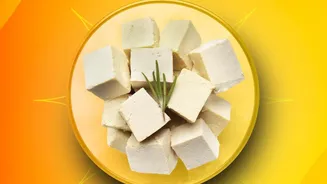
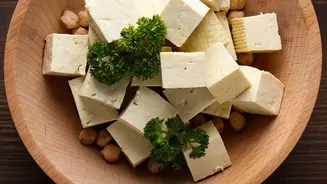
Before we combine them, let’s appreciate what each ingredient brings to the table. Paneer, a fresh cheese common in Indian cuisine, is a protein heavyweight, offering around 18-20 grams of protein per 100g serving. It's also rich in calcium. Tofu, made from soybeans, is a complete protein, meaning it contains all nine essential amino acids. A 100g serving provides about 8-10 grams of protein but with significantly fewer calories and fat than paneer. Lentils are another plant-based hero, loaded with fibre and protein. A cooked cup of lentils delivers around 18 grams of protein, making them an incredible addition to any meal for both nutrition and texture.
The Classic Comfort: Paneer and Lentils
Combining paneer and lentils is a classic strategy for a hearty, flavourful meal. The softness of the paneer contrasts beautifully with the earthiness of the lentils. Think of a rich dal makhani or a simple masoor dal, elevated with cubes of pan-fried paneer added just before serving. This not only boosts the protein content but also adds a creamy texture. You can make a simple lentil and vegetable curry and fold in toasted paneer cubes during the last few minutes of cooking. This allows the cheese to soak up the flavours of the spices without becoming tough.
The Modern Fusion: Tofu and Lentils
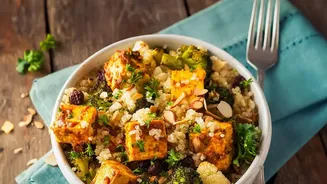
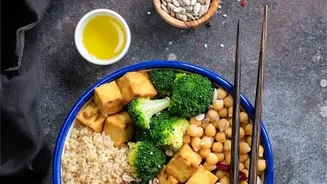
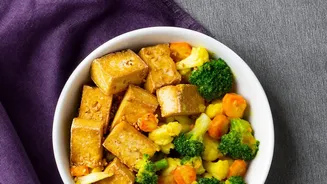
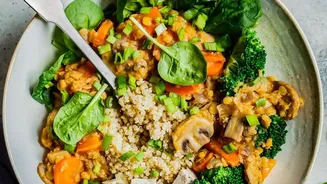
Tofu and lentils are a match made for modern, health-conscious kitchens. Since tofu is brilliant at absorbing flavours, it works wonderfully in lentil-based dishes. Try making a comforting lentil stew with vegetables like sweet potato and spinach, and add pressed, cubed tofu to the mix. The tofu soaks up the spiced broth, becoming tender and flavourful. For a different texture, pan-fry or bake the tofu until crispy before stirring it into your lentil curry or soup. This combination is not only packed with plant-based protein but also incredibly versatile, working well in everything from Indian-spiced curries to Thai-inspired stews.
The Ultimate Combination: Tofu, Paneer, and Lentils
For a meal that truly maximizes protein, why not combine all three? While it may sound unconventional, it creates a dish with an amazing variety of textures. Imagine a mixed vegetable curry where a hearty lentil base is studded with both soft paneer and firm tofu. You could prepare a spicy tomato and onion gravy, add cooked lentils, and then gently fold in pan-fried cubes of both tofu and paneer. Another creative idea is a 'bhurji' style scramble, using crumbled paneer, mashed tofu, and a handful of soft-cooked red lentils, all sautéed with onions, tomatoes, and spices. It's an unconventional but effective way to ensure your dinner is as nourishing as it is delicious.
Tips for Success
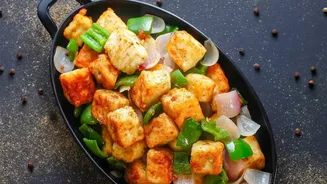
To get the most out of these ingredients, a little preparation goes a long way. For tofu, always press it for at least 15-20 minutes to remove excess water; this helps it become firmer and absorb marinades better. Pan-frying or baking tofu and paneer before adding them to curries gives them a better texture and prevents them from breaking apart. When it comes to lentils, rinsing them thoroughly is a must, and soaking harder lentils like whole black urad dal can reduce cooking time. Don't be shy with spices—aromatics like ginger, garlic, cumin, coriander, and garam masala are essential to bring these protein sources to life.