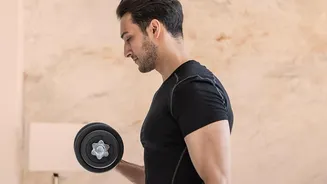







The Rise of the Micro-Workout
They go by many names: 'exercise snacks', 'micro-workouts', or simply quick bursts of movement. The concept is to perform short, often intense, periods of physical activity throughout the day. This approach has gained immense popularity because it feels
achievable, breaking down the daunting task of a long gym session into manageable bites. For someone with a packed schedule, finding five minutes for jumping jacks, bodyweight squats, or a brisk stair climb seems far more practical than blocking out a full hour. This accessibility has made it a go-to solution for breaking up long periods of sedentary time spent at a desk or on the couch.
Real Benefits in Just Minutes
The science is clear: these short workouts are much better than doing nothing and offer significant health perks. Research shows that even brief, intense exercise sessions can improve cardiovascular fitness, help regulate blood sugar, and lower blood pressure. One study even found that just four seconds of intense cycling sprints repeated over an eight-hour day could lower triglyceride levels, a type of fat in the blood linked to heart disease risk. These 'movement snacks' also trigger the release of endorphins, boosting your mood and mental clarity. For those just starting a fitness journey, these small wins can build confidence and momentum.
Where Brief Workouts Fall Short
While the benefits are real, five-minute workouts are not a complete fitness solution. Their primary limitation is volume. Achieving significant goals like substantial weight loss, building considerable muscle mass, or training for an endurance event like a 10K race requires more sustained effort. While intense bursts burn calories, the total expenditure from a five-minute session is naturally limited. Furthermore, while they can improve heart health, some studies note that brief sessions might not be enough to significantly change risk factors like cholesterol or blood pressure for people who are already relatively healthy. They are a powerful supplement, but not a total replacement for longer, more comprehensive workouts.
Understanding Your Total Activity Needs
To understand why short workouts aren't the whole story, it's helpful to look at established health guidelines. The World Health Organization (WHO) and other health bodies recommend that adults aim for 150-300 minutes of moderate-intensity aerobic activity (like brisk walking or cycling) or 75-150 minutes of vigorous-intensity activity (like running or HIIT) per week. Crucially, these guidelines also recommend muscle-strengthening activities involving all major muscle groups on two or more days a week. A few five-minute sessions, while beneficial and counting towards your weekly total, will likely not be sufficient to meet both the aerobic and the strength-training recommendations on their own.
The Best of Both Worlds: A Balanced Approach
The most effective strategy is to view five-minute workouts as a valuable tool in your fitness toolkit, not the only tool you use. On days when you are truly swamped, a few exercise snacks are infinitely better than zero activity. They can break up sedentary periods at work, serve as a dynamic warm-up for a longer workout, or provide a quick energy boost. You can integrate them by taking a 10-minute brisk walk in the morning, doing a 5-minute bodyweight circuit at lunch, and aiming for two or three longer, 30-to-45-minute workouts during the week that include dedicated strength training. This hybrid approach ensures you reap the immediate benefits of short bursts while also meeting the broader requirements for long-term health, strength, and endurance.