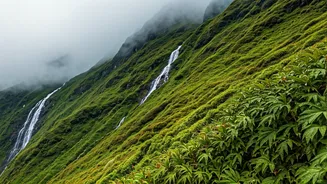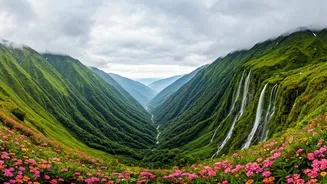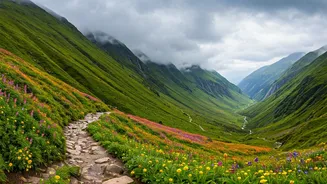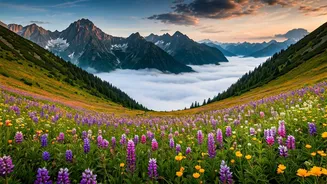


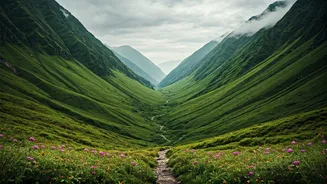


Valley of Flowers, Uttarakhand
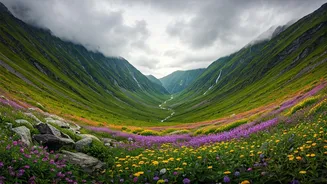
This UNESCO World Heritage Site is arguably one of India’s most famous treks, and for good reason. While beautiful year-round, the monsoon season (July to early September) is when the valley truly lives up to its name. The rains trigger a spectacular
bloom of over 300 species of alpine flowers, carpeting the meadows in a riot of colour. The trek itself is considered moderate, beginning from the village of Ghangaria. The path takes you alongside the gushing Pushpawati River, with misty peaks and cascading waterfalls providing a dramatic backdrop. The air is cool, crisp, and filled with the scent of damp earth and wildflowers. It’s a photographer’s dream and a botanist’s paradise, offering a surreal experience that feels like walking through a living painting.
Tadiandamol, Karnataka
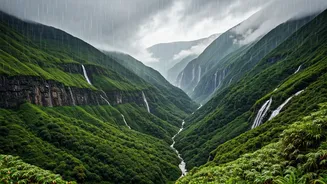
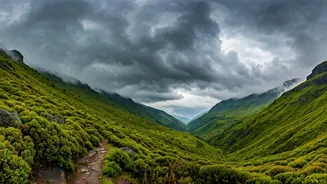
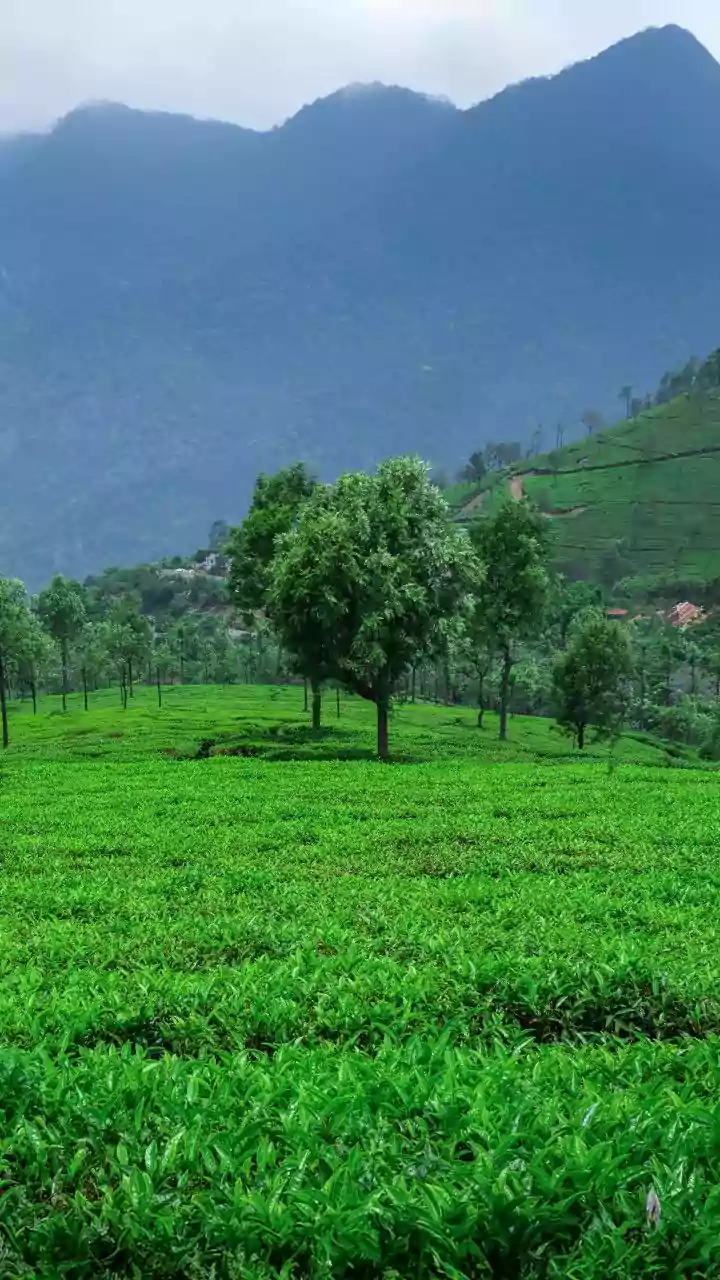
Located in Coorg, the ‘Scotland of India’, Tadiandamol is the highest peak in the district and a fantastic choice for a South Indian monsoon adventure. The trek is relatively easy, making it accessible to beginners with a decent fitness level. During the rains, the rolling hills of the Western Ghats are draped in countless shades of green. The trail winds through dense shola forests, open grasslands, and gurgling streams that come alive during this season. As you ascend, you’ll be treated to panoramic views of mist-covered valleys and coffee plantations. The summit often plays hide-and-seek with the clouds, creating a magical and ever-changing atmosphere. It’s a perfect weekend getaway that showcases the serene, gentle beauty of the monsoon in the south.
Hampta Pass, Himachal Pradesh
For those seeking a more challenging Himalayan experience, the Hampta Pass trek is an exceptional choice. What makes this trek unique is the dramatic crossover of landscapes. You start in the lush, green Kullu Valley, with its dense pine forests and meadows, and cross over the 14,000-foot pass into the stark, arid landscape of Lahaul. The monsoon adds another layer of drama. The Kullu side is vibrant and teeming with life, while the Lahaul side remains a rain-shadow region, offering a stunning contrast. This is a moderate to difficult trek that requires good physical preparation. You'll navigate river crossings, rocky terrain, and glacial valleys. The reward is witnessing two different worlds in a single journey, a truly humbling experience for any seasoned trekker.
Sinhagad Fort, Maharashtra
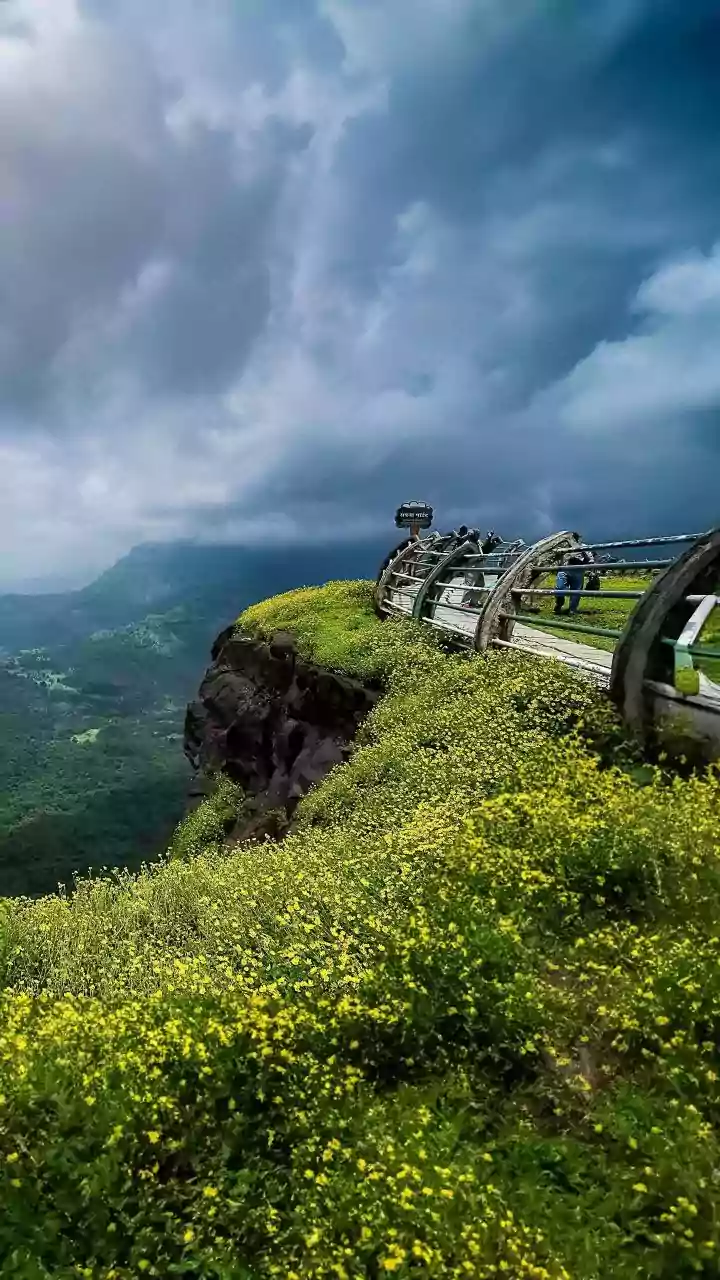
The Sahyadri mountain range in Maharashtra is a haven for monsoon trekkers, and Sinhagad Fort, near Pune, is one of its most beloved destinations. This trek is ideal for beginners and those looking for a quick yet rewarding outing. The trail is well-marked but becomes wonderfully atmospheric in the rain. Mist envelops the ancient fort walls, and the surrounding landscape turns a vibrant, electric green. The climb offers stunning views of the Khadakwasla dam and the city below. At the top, you can explore the historic ruins of the fort and enjoy piping hot pithla-bhakri and chai from the local vendors—a quintessential part of the Sinhagad monsoon experience. It's a trek that perfectly blends history, nature, and local culture.
Preparing for Your Monsoon Trek
Trekking in the rain requires specific preparation. Invest in a good pair of waterproof hiking boots with excellent grip to handle slippery trails. A reliable raincoat or poncho is non-negotiable. Use a rain cover for your backpack and pack your clothes and electronics in waterproof dry bags. Leeches are common in many monsoon regions, so carry salt or a sanitiser. Always check the local weather conditions before you start, inform someone of your itinerary, and consider hiring a local guide, especially on less-frequented trails. The beauty of the monsoon is best enjoyed when you are safe, dry, and well-prepared for the elements.