






Why Rain Makes Your Indoor Air Worse
While rain can wash away outdoor pollutants, it creates a different problem inside. The primary culprit is high humidity. When moisture-laden air gets trapped in our homes, it seeps into walls, furniture, and fabrics, creating a damp environment where
allergens thrive. With windows closed for long periods, there's less ventilation to flush out pollutants that accumulate from daily activities like cooking and cleaning. This combination leads to a spike in mould spores, bacteria, dust mites, and even higher concentrations of Volatile Organic Compounds (VOCs) released from paints and furnishings. That musty smell you notice is often a direct sign of this deteriorating air quality.
Mastering Moisture and Humidity
Controlling indoor humidity is the first and most crucial step. The ideal range is between 30% and 50%. During the monsoon, levels can easily exceed 70%, creating a breeding ground for mould. Using a dehumidifier is highly effective. If you don't have one, there are natural alternatives. Placing bowls of salt or activated charcoal in enclosed spaces like wardrobes and cabinets can absorb excess moisture. It's also vital to fix any leaks in roofs or walls immediately to prevent water seepage. Avoid drying clothes indoors if possible, as this releases a significant amount of moisture into the air. If you must, ensure the room is well-ventilated.
The Battle Against Mould and Mildew
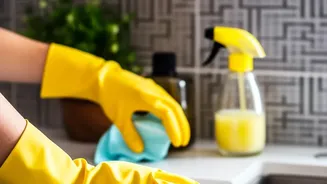
Mould isn't just unsightly; it's a health hazard that can trigger allergies, asthma, and respiratory infections. Be vigilant about spotting it, especially in bathrooms, kitchens, behind furniture, and on walls prone to dampness. If you find mould, it's important to clean it safely. A solution of equal parts white vinegar and water can be sprayed on affected areas to kill the growth. For a traditional and effective approach, a solution made from boiled neem leaves also has powerful antifungal properties. When cleaning, wear gloves and a mask to avoid inhaling spores. To prevent mould from returning, ensure the area remains dry and well-ventilated.
Ventilate Wisely
While keeping windows shut during a downpour is necessary, strategic ventilation is key. Seize opportunities during dry spells, even for a short while, to open windows on opposite sides of the house. This creates cross-ventilation, which flushes out stale, humid air and replaces it with fresh air. Use exhaust fans in kitchens and bathrooms religiously to expel moisture and odours directly at the source. Keep a gap of a few inches between large furniture and walls to allow air to circulate and prevent moisture from getting trapped.
Rethink Your Cleaning and Furnishings
During the monsoon, certain household items can become moisture magnets. It's a good idea to roll up and store heavy carpets and rugs, as they can trap dampness and foster mildew growth. When cleaning, be mindful of the products you use. Many conventional air fresheners simply mask odours, while chemical-laden cleaners can release harmful VOCs into the unventilated air. Opt for low-VOC products or natural cleaning agents like vinegar and baking soda where possible. Regularly wipe down surfaces, including window sills and furniture, to prevent dust and mould build-up.