






From More to Smarter: A Generational Shift
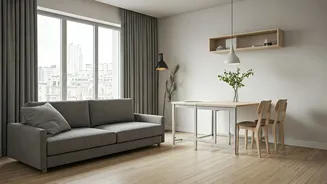
The definition of luxury is changing. It's no longer about sheer size but about intelligent design. In crowded metropolitan hubs like Mumbai, Bengaluru, and Gurugram, where square footage is at a premium, young professionals and families are redefining
what it means to live well. The old goal of filling a large house with objects is being replaced by a more minimalist, intentional approach. This shift is driven by necessity—rapid urbanisation means smaller apartments—but it's also a conscious choice. People are prioritising experiences over possessions and seeking homes that feel calm, organised, and reflective of their values. The new flex isn’t about how much space you have, but how cleverly you use it.
The Anatomy of a 'Flex-Worthy' Piece
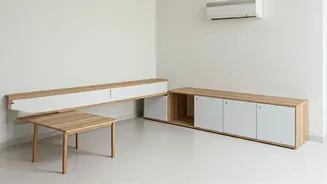
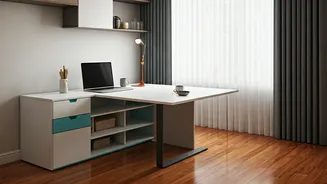
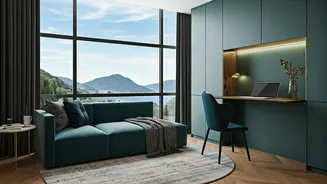
Today’s space-saving furniture is a far cry from the wobbly, purely functional items of the past. The 2026 trend is about high-design pieces that are both beautiful and hardworking. Think of a sleek, wall-mounted desk that folds away to create an open living area, or a coffee table that lifts to become a dining surface for four. Murphy beds, which disappear into a cabinet by day, can transform a studio into a spacious lounge. Modular sofas can be reconfigured for movie nights or formal gatherings, while expandable dining tables are perfect for urban families who love to entertain. These pieces are not compromises; they are elegant solutions that enhance both the function and aesthetic of a room.
It's Not Just About Space, It's About Mindspace
Living in a cluttered environment is known to increase stress levels. A well-designed home with smart furniture does more than just save physical space; it creates mental clarity. When every object has a purpose and a place, it reduces decision fatigue and contributes to a calmer, more manageable lifestyle. An organised home, made possible by furniture with hidden storage or dual functions, allows you to feel in control of your environment. This sense of order and peace is a luxury in itself. The ability to transform a home office back into a relaxing living room at the end of the day supports a healthier work-life balance, something increasingly valued in our fast-paced world.
The Sustainable Choice
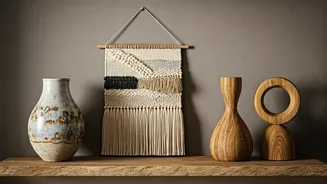
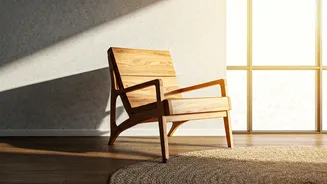
The trend towards space-saving furniture also aligns with a growing eco-consciousness. Choosing one high-quality piece that serves multiple functions is inherently more sustainable than buying several single-purpose items. This philosophy of "less but better" reduces consumption and waste. Many modern furniture designers are now prioritising sustainable materials like reclaimed wood, bamboo, and recycled metals, which resonates with consumers who want to make environmentally responsible choices. Owning a piece of furniture that is not only adaptable and long-lasting but also kind to the planet is a powerful statement of modern values.