




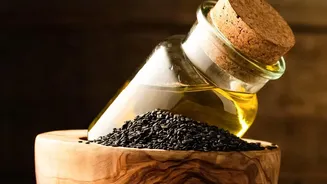
What Exactly Are Cold-Pressed Oils?
Before we get into flavours, let's understand the process. Cold-pressed oils are extracted from seeds or nuts using a mechanical press at low temperatures, a method often called 'kachi ghani' or 'marachekku'. This gentle technique avoids the use of high
heat or chemical solvents. Refined oils, in contrast, go through extensive industrial processing, including high heat, bleaching, and deodorising. These steps strip the oil of its natural colour, aroma, and, most importantly, its original flavour and nutrients. Cold-pressing preserves the natural essence of the oilseed, meaning the final product is much closer to its source ingredient in both taste and nutritional value.
The Pungent Power of Cold-Pressed Mustard Oil
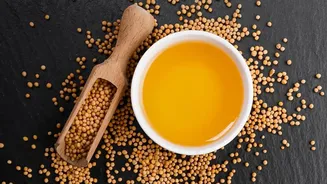
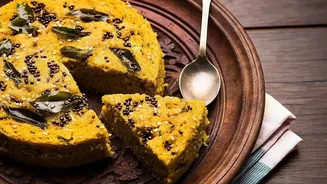
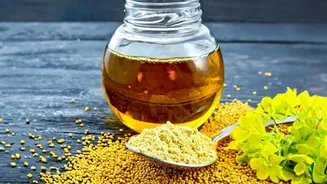
There's no mistaking the sharp, pungent aroma of traditional mustard oil. This signature kick comes from a compound called allyl isothiocyanate, which is better preserved in the cold-pressing process. Refined mustard oil often loses this characteristic punch. In cuisines from Bengal, Punjab, and Rajasthan, this oil isn't just a cooking medium; it's a primary flavouring agent. Dishes like Bengali shorshe ilish (hilsa in mustard gravy) or Punjabi sarson ka saag rely on the potent flavour that only cold-pressed mustard oil can provide. It also gives a distinct, authentic taste to pickles and marinades, where its strong flavour and preservative qualities shine.
The Nutty Nuance of Cold-Pressed Sesame Oil
Cold-pressed sesame oil, or gingelly oil, is a cornerstone of South Indian cooking. Its rich, nutty, and earthy aroma is a world away from the neutral character of its refined counterpart. The cold-pressing method ensures that the antioxidants and compounds like sesamin and sesamol, which contribute to its flavour, are retained. This oil is indispensable for creating an authentic tadka (tempering) for dishes like sambar and chutney. In Tamil Nadu and Karnataka, a drizzle of raw sesame oil over hot idlis or in sesame rice (ellu sadam) is considered essential, adding a layer of flavour that simply cannot be replicated with a processed oil.
The Earthy Goodness of Cold-Pressed Groundnut Oil
Groundnut oil has long been a staple for frying and everyday cooking across India, especially in western states like Gujarat and Maharashtra. When cold-pressed, it has a pleasant, mild nutty flavour that enhances food rather than overpowering it. Refined groundnut oil is largely flavourless. This subtle nuttiness makes cold-pressed groundnut oil perfect for frying snacks like pakoras, vadas, and samosas, where the oil imparts a delicious, authentic taste to the final product. It's also an excellent choice for preparing everyday sabzis and dals, providing a wholesome and traditional flavour base that refined oils lack.
Bringing Authentic Flavours Back to Your Kitchen
Switching to cold-pressed oils is about more than just health benefits; it's a culinary choice to reclaim traditional tastes. The flavours our grandmothers knew came from ingredients that were pure and minimally processed. By choosing cold-pressed mustard, sesame, or groundnut oil, you are choosing to cook with an ingredient that carries the true character of its source. For mustard oil, that means embracing the pungency. For sesame, it's about the nutty depth. And for groundnut, it's the mild, earthy foundation. Each oil brings a unique profile that is essential for achieving the authentic taste in regional Indian recipes. So, the next time you find a dish is missing that certain something, the answer might just be in the oil you use.