








An Unlikely Culinary Pairing
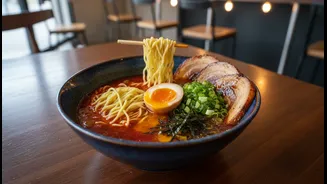
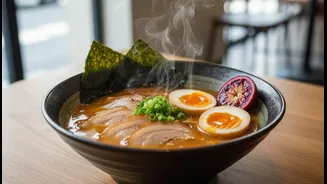
Imagine a steaming bowl of ramen, its rich, umami-laden broth warming you from the inside out. Now, add a splash of bright, fruity tartness that cuts through the richness and leaves a clean, refreshing finish. This isn't yuzu or vinegar. It’s kokum. Once
a humble staple of the Konkan coast, the deep purple fruit is finding its way into experimental kitchens and modern cafes across India, making a particularly surprising splash in Japanese ramen. This fusion speaks to a larger movement where Indian chefs are looking inward, rediscovering indigenous ingredients and reimagining their role in a global culinary context.
First, What Is Kokum?
For those unfamiliar with this coastal gem, kokum (Garcinia indica) is a fruit native to India's Western Ghats. When fresh, it’s a small, reddish-purple fruit, but it's most commonly used in its dried form, where the rind turns a deep, dark purple. Traditionally, it's been the go-to souring agent in Maharashtrian, Goan, and Konkani cuisines, prized for a distinct flavour that’s less aggressive than tamarind and more complex than lime. Its taste is uniquely tart with a slightly sweet, floral undertone. Beyond flavour, it’s known for its cooling properties, making it the star of drinks like sol kadhi and sherbets designed to beat the summer heat.
So, Why Put It in Ramen?
The magic of a great bowl of ramen lies in its balance. The core components—a rich broth (like pork-based tonkotsu or fermented soybean miso), alkaline noodles, and various toppings—are harmonized by a seasoning liquid called 'tare'. This tare is crucial; it adds saltiness and a deep layer of umami, but it can also be a source of acidity to cut through the fatty, robust flavours of the broth. This is where kokum makes its grand entrance. Progressive chefs have discovered that kokum's clean, bright acidity does a remarkable job of slicing through the richness of a pork or chicken ramen broth. Unlike tamarind, which can be heavy, or vinegar, which can be sharp, kokum offers a fruity tartness that lightens the entire dish without overpowering it, adding a uniquely Indian sense of place to the Japanese classic.
A Taste of Modern India
The appearance of kokum in ramen isn't happening in a vacuum. It’s part of a broader, exciting trend in Indian food where chefs and mixologists are championing hyper-local ingredients. For years, a certain set of ingredients—think gondhoraj lime from Bengal or regional chillies—have been breaking out of their geographical boundaries. Kokum is the latest star to follow this path. Its versatility is being explored in everything from craft cocktails and artisanal chocolates to even pour-over coffee. This movement is fueled by a new generation of diners who are curious about regional heritage and keen to experience familiar flavours in new, exciting formats. They are discovering ingredients like kokum not through a traditional fish curry, but as a complex, fruity element in a global dish.