




The Post-Pandemic Wanderlust
After two years of intermittent lockdowns and travel restrictions, a palpable sense of wanderlust has gripped the nation. But this isn't just about 'revenge travel' in luxurious resorts. For a growing number of young, budget-conscious Indians, it's about reclaiming
a sense of freedom and adventure. Backpacking, with its emphasis on spontaneity and affordability, has emerged as the perfect outlet. The culture of independent travel, which was steadily growing pre-2020, is now exploding. Hostels are reporting record occupancy, and social media feeds are filled with images of muddy boots, rain-soaked jackets, and beaming faces against dramatic, cloudy skies. This resurgence is not just a return to the old ways; it’s a redefined, more intentional form of exploration.
Embracing the 'Off-Season' Charm
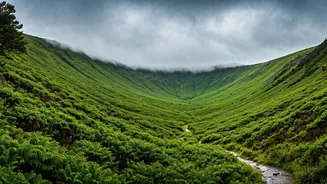
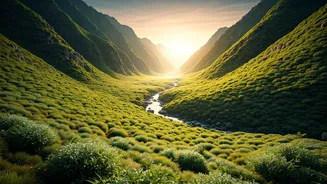
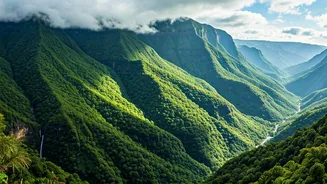
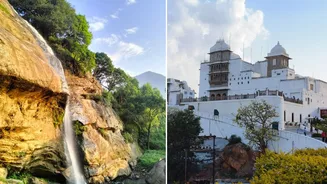
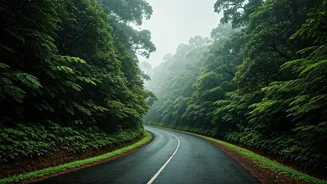
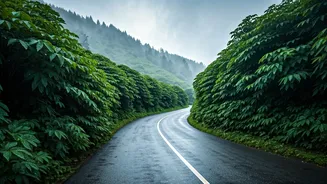
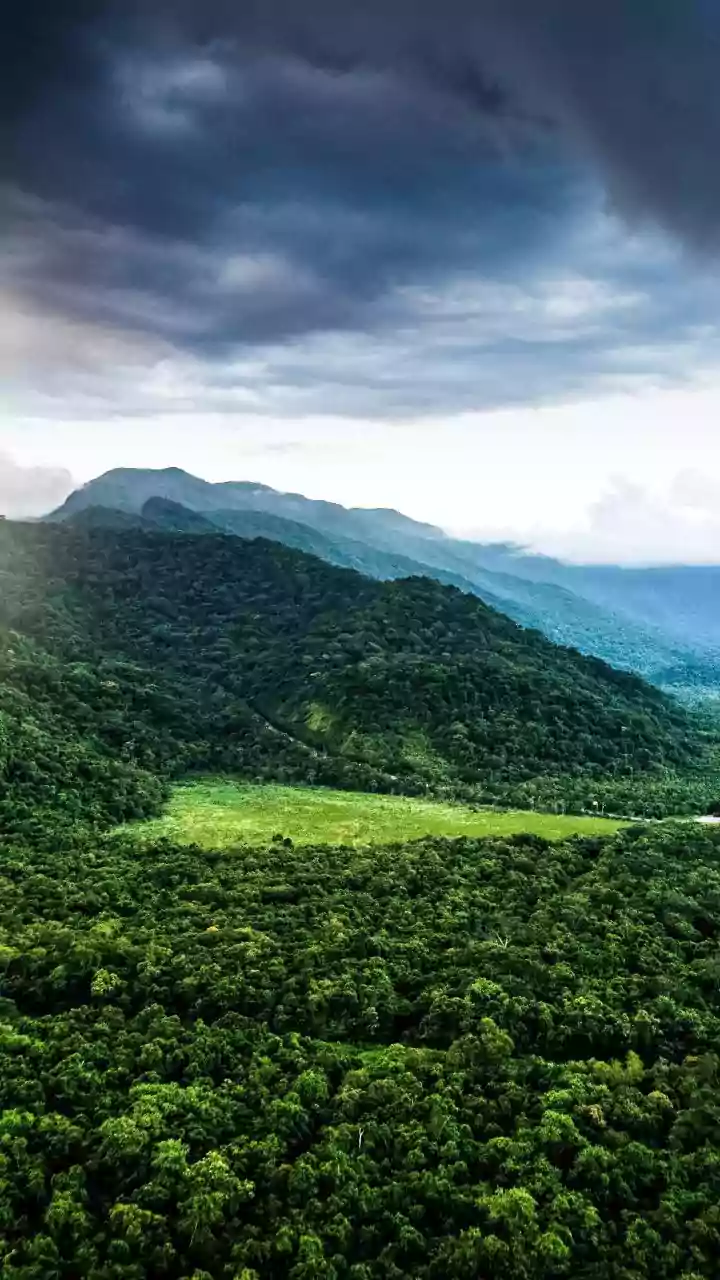
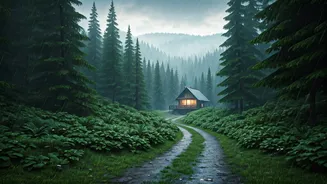
Traditionally, the monsoon was a time to stay indoors. Travel plans were shelved, and popular tourist spots would empty out. That perception is rapidly changing. Today’s backpackers see the monsoon not as a hindrance, but as an attraction. The primary draw? Fewer crowds and lower prices. Destinations that are overrun in peak season become quiet, serene havens. But beyond the practical benefits, there's an aesthetic and experiential appeal. The Western Ghats, from Maharashtra to Kerala, transform into a vibrant green paradise with cascading waterfalls at every turn. The Aravallis in Rajasthan shed their arid look for a temporary green cloak. In Meghalaya, the 'abode of clouds' lives up to its name, offering an ethereal, otherworldly experience. Travellers are actively seeking out this unique seasonal beauty, trading sunny beach days for misty mountain treks.
The New Backpacker's Trail
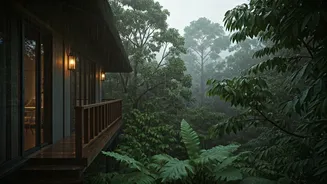
While classic backpacking circuits remain popular, the monsoon has created its own trail. Maharashtra’s Malshej Ghat and the forts around Lonavala and Pune are weekend magnets for trekkers. In the south, the tea gardens of Munnar and the rainforests of Wayanad in Kerala offer breathtaking landscapes. Coorg in Karnataka, with its coffee plantations shrouded in mist, is another favourite. Further east, Meghalaya, particularly Cherrapunji and Mawlynnong, has become a bucket-list monsoon destination for its living root bridges and dramatic waterfalls. Even parts of Himachal Pradesh and Uttarakhand, with careful planning to avoid landslide-prone areas, are attracting backpackers to valleys like Tirthan and Kasol, where the Parvati River swells and the scenery becomes even more dramatic. These trips are often short, frequent, and focused on specific experiences like waterfall rappelling, trekking, or simply unwinding in nature.
More Than Just a Dorm Bed
The return of backpacking is also being fuelled by the evolution of the ecosystem that supports it. Gone are the days of dingy, basic dormitories. A new wave of design-led, experience-focused hostel chains like Zostel, The Hosteller, and goStops have transformed the landscape. These are not just places to sleep; they are vibrant community hubs. With amenities like co-working spaces, chic cafes, organised group activities, and reliable Wi-Fi, they cater perfectly to the modern traveller, including the growing tribe of digital nomads. They provide a safe and social environment, making it easy for solo travellers to meet like-minded people. This community aspect is a huge part of the appeal, turning a simple trip into a shared adventure and fostering connections that last long after the rain has stopped.