





The Annual Ticket Scramble
The battle for a Diwali train ticket begins months in advance. Indian Railways generally opens its booking window 60 days before the date of travel. For the most popular routes—connecting metro cities like Delhi, Mumbai, and Bengaluru to states like Uttar
Pradesh, Bihar, and West Bengal—tickets are often snapped up within seconds of the 8:00 AM opening. This leaves countless people on long waitlists, anxiously checking their PNR status and facing the possibility of missing the festival with their families. The sheer volume of people travelling simultaneously creates a demand that regular services simply cannot meet, leading to the annual rail rush.
What Exactly Are Special Trains?
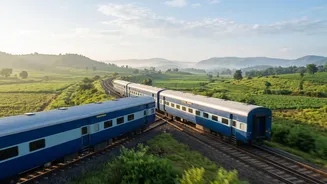
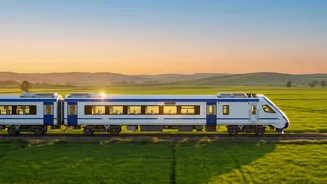
To manage this incredible surge in passenger traffic, Indian Railways operates thousands of 'Festival Special' trips. These are temporary, additional trains deployed on high-demand corridors specifically to clear the festive rush. Think of them as reinforcements called in to support the existing network. These trains are often identifiable by their numbers, which typically start with a '0'. They are announced by various railway zones as demand patterns become clear, usually starting from late September and through October, closer to the festival dates. This staggered approach means new options can appear even just a few weeks before Diwali.
How to Find and Book These Trains
Finding these special trains requires vigilance. Announcements are made through press releases, on the official Indian Railways and IRCTC websites, and are often picked up by news media. The key is to actively monitor these channels as Diwali approaches. Once announced, these special trains appear in the regular search results on the IRCTC portal and app. The booking process is the same as for any other train, but speed is crucial as these seats also fill up fast, sometimes within hours of being announced. To save precious seconds during booking, it's wise to use the 'Master List' feature on the IRCTC website to pre-save passenger details.
Fares, Quotas, and Other Considerations
One of the biggest advantages is that many special trains have fares comparable to regular mail or express trains, without a 'special' premium attached. However, some services, branded as 'Suvidha' or 'Premium Tatkal' trains, operate on a dynamic pricing model where fares increase as demand rises and tickets are booked. It's also important to note that the Tatkal quota on special trains might be smaller, and waitlisted tickets on these services generally have a lower chance of confirmation compared to regular trains. Therefore, they are most useful when you can secure a confirmed or RAC (Reservation Against Cancellation) ticket at the time of booking.
Your Strategy for a Confirmed Berth
If you've missed booking on a regular train, special services are your best bet. Start monitoring announcements from early October. Identify the major routes that consistently get special trains, such as Mumbai to Patna, Delhi to Gorakhpur, and Bengaluru to North India. Be prepared to book the moment a train is announced. Have your IRCTC login details and payment methods like UPI ready for a swift transaction. If you don't find a direct train, look for services to nearby stations. While it requires more effort than booking months in advance, a proactive approach towards special trains can be the difference between a waitlisted ticket and a confirmed journey home.