







A Different Kind of Heat
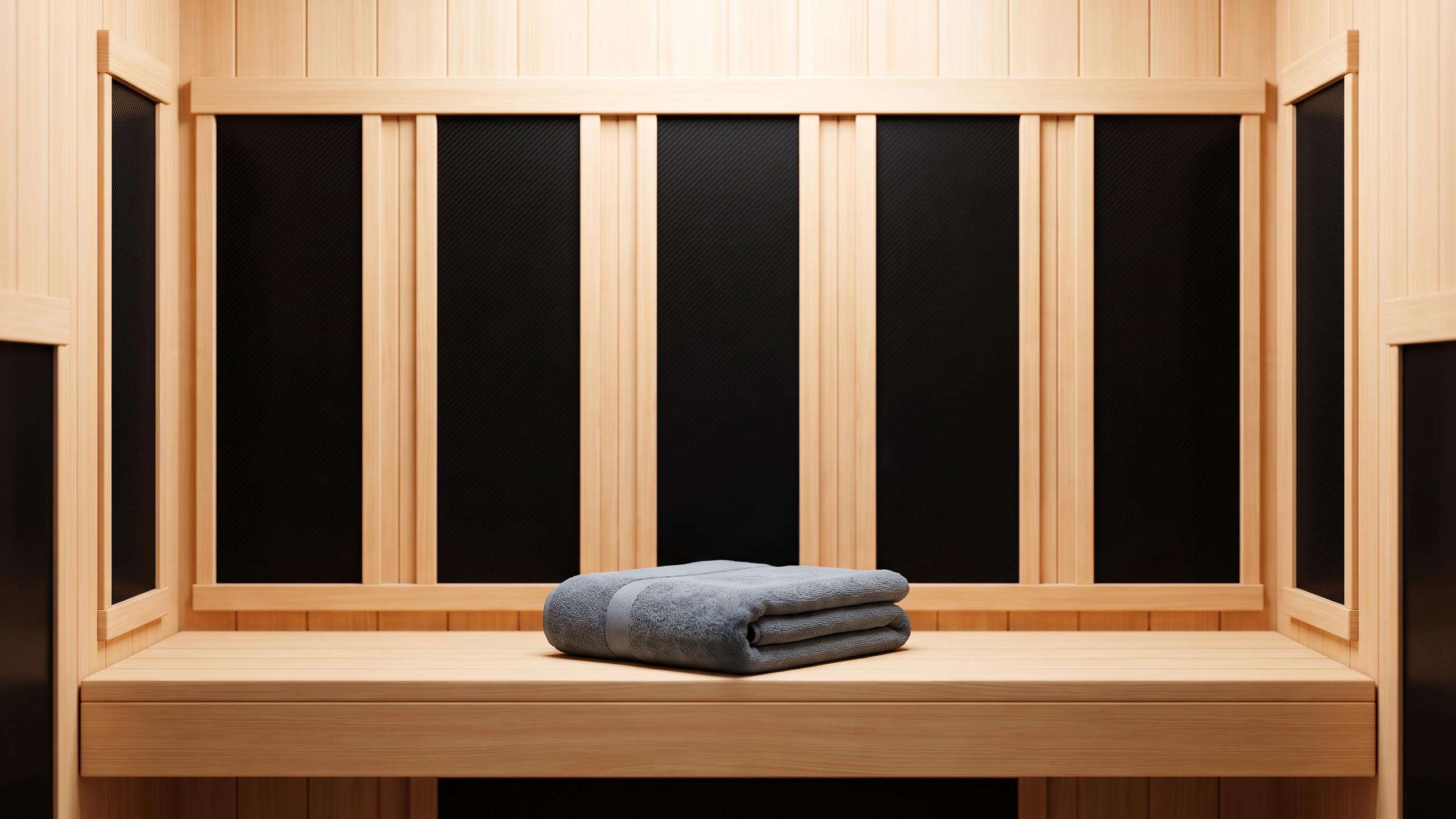
When you think of a sauna, you might picture the traditional Finnish style, with high air temperatures and steam. An infrared sauna works differently. Instead of heating the air around you, it uses infrared light waves to heat your body directly. This
allows the heat to penetrate more deeply into your muscle tissues and joints at a lower, more comfortable ambient temperature, typically between 48°C and 60°C. This process, known as passive heat therapy, raises your core body temperature and induces a deep sweat without the intense, sometimes stifling heat of a traditional sauna, making it a more approachable option for many.
Boosting Circulation for Faster Repair
One of the primary ways infrared heat aids recovery is by improving circulation. The warmth causes your blood vessels to dilate in a process called vasodilation. This increased blood flow is crucial after a workout, as it delivers a fresh supply of oxygen and essential nutrients to your fatigued muscles. At the same time, this enhanced circulation helps to more efficiently flush out metabolic waste products that accumulate during exercise and contribute to soreness. Think of it as opening up the highways for your body's repair crew, allowing them to get to the site of micro-trauma faster and work more effectively.
Tackling Inflammation and Soreness
Delayed Onset Muscle Soreness (DOMS) is the scientific term for that post-workout ache, and it's largely driven by inflammation. Research suggests that infrared sauna use can be a powerful tool for reducing this inflammation. The deep-penetrating heat helps to decrease inflammatory markers at a cellular level. By limiting the inflammatory response and accelerating the clearance of waste products, regular infrared sauna sessions can significantly reduce the severity of muscle soreness and stiffness. Some studies have even shown that athletes who use infrared saunas after training maintain more of their explosive power and report less soreness compared to those who only rest passively.
Promoting Flexibility and Cellular Health
Beyond just easing soreness, the deep heat from an infrared sauna helps improve tissue elasticity, which can promote better flexibility and an enhanced range of motion. Loosening tight muscles and joints makes it easier to recover from strenuous activity. On a microscopic level, this type of heat therapy can also trigger the production of special molecules known as 'heat shock proteins'. These proteins help protect your cells from stress and play a role in repairing or removing damaged proteins within muscle tissue, further supporting the body’s natural regeneration process.
How to Maximise Your Sauna Session
To get the most out of passive heat therapy, timing and hydration are key. Many experts recommend using the sauna after your workout to kickstart the recovery process. A session of about 15-30 minutes is a good starting point. It's crucial to hydrate well before, during, and after your session to replenish the fluids lost through sweating. An infrared sauna is not a magic bullet, but a powerful complement to a well-rounded recovery strategy that includes proper nutrition, stretching, and adequate sleep. Combining these methods helps create a comprehensive routine that addresses recovery from multiple angles.