

Embrace Living Greenery
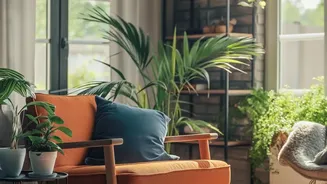
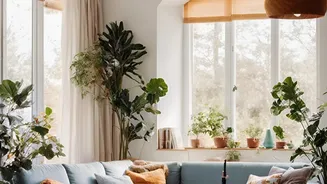
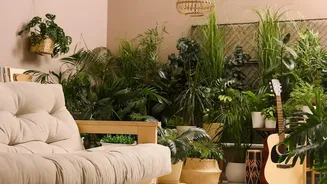
The simplest way to introduce organic life into your home is with plants. They are more than just decoration; they improve air quality and can enhance mental well-being, which is especially important in smaller living quarters. Don't worry about a lack
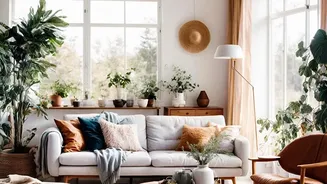
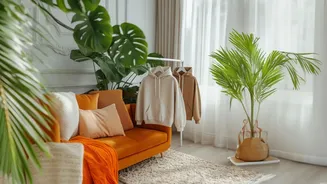
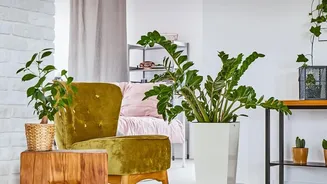
of floor space. Think vertically. Hanging planters draw the eye upward, creating a sense of height. Wall-mounted shelves can host a collection of small succulents and herbs. Even a single, large floor plant, like a Bird of Paradise or a Fiddle Leaf Fig, can become a stunning focal point in a tiny corner, adding a touch of drama and tropical flair. For windowsills and desktops, small pots of flowering plants or a simple herb garden can add colour and life.
Incorporate Natural Woods
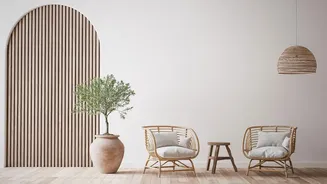
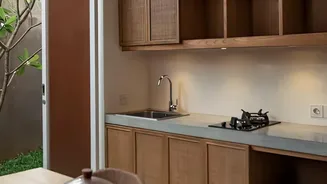
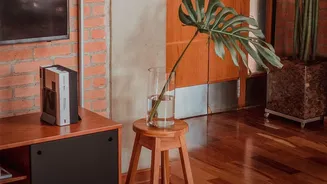
Wood brings an unmatched warmth and texture to any interior. In a small home, the key is to use it thoughtfully. Instead of heavy, dark furniture that can overwhelm a room, opt for pieces with clean lines in lighter woods like bamboo, pine, or light oak. A single piece of furniture made from rattan or wicker, such as an armchair or a small side table, can add a relaxed, bohemian vibe without feeling bulky. You can also incorporate wood in smaller doses. Think wooden photo frames, a large raw-edge serving bowl as a centrepiece, or a set of floating shelves made from reclaimed wood. These touches add a rustic-yet-modern feel, providing visual interest and a connection to nature.
Focus on Natural Textiles
One of the most effective ways to add softness, texture, and character is through textiles. Swapping out synthetic fabrics for natural ones can instantly elevate a space. Think about materials like organic cotton, linen, wool, and jute. A simple jute or sisal rug can define a living area while adding an earthy, durable texture underfoot. Layer your sofa with cotton or woollen throws and cushions in varying patterns and neutral colours. For windows, sheer linen curtains allow natural light to filter through, making the room feel brighter and more open, a crucial trick for small spaces. These fabrics are not only aesthetically pleasing but are often more sustainable and breathable.
Use Stone, Clay, and Ceramic
Don't overlook the power of earthy, grounding materials like stone, clay, and ceramics. These elements provide a wonderful textural contrast to softer furnishings and plants. You can incorporate them in subtle yet impactful ways. A marble tray on a coffee table can corral small items with a touch of elegance. A set of slate coasters or a granite mortar and pestle in the kitchen adds a sophisticated, earthy touch. Terracotta or unglazed ceramic pots for your plants lend a rustic charm that plastic containers can't match. Even a small, tabletop water feature can engage the senses with the gentle sound of trickling water, enhancing the serene, natural atmosphere.
Maximise Light and Reflection
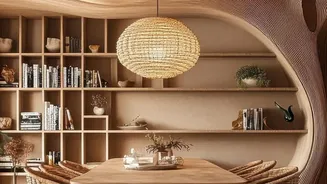
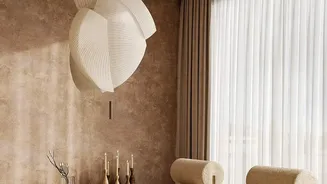
Natural light is a crucial organic element that makes any space feel larger and more inviting. Maximise the light you have by using mirrors strategically. Placing a large mirror opposite a window will reflect both light and the view, creating an illusion of depth and openness. When it comes to artificial lighting, choose fixtures made from natural materials. A lampshade made of bamboo, rattan, or handmade paper will cast a warm, diffused glow that creates a cosy and relaxing ambience in the evening. Opt for warm-toned LED bulbs to mimic the softness of natural light and make your organic décor elements truly shine.