





First Off, What Exactly Is UPI?
UPI stands for Unified Payments Interface. Think of it as a system that lets you pay a shop directly from your bank account in real-time using your phone. Developed in India, it has become the dominant form of digital payment there, processing a staggering
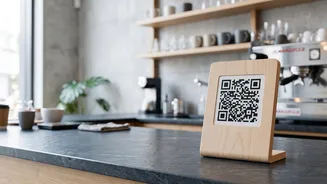
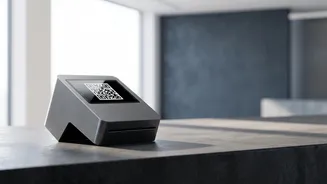
number of transactions daily. Instead of swiping a card, you scan a QR code with a supported app, enter a PIN to approve the payment, and the money moves instantly from your bank to the merchant's bank. It's an open system, meaning various apps can use the same infrastructure, a key to its massive success abroad. Now, its backers are working to expand its reach into new markets, including North America.
The Real Reason Your Shop Loves It: Fees
The main driver behind this trend isn't just a love of new technology; it’s about the money that merchants lose on every card transaction. When you pay with a credit card, the shop owner doesn't receive the full amount. They have to pay a 'merchant discount rate' (MDR), or processing fee, that typically ranges from 1.5% to 3.5%. On a $100 sale, that’s up to $3.50 that goes to banks and card networks like Visa or Mastercard. For a small business with thin margins, like a cafe or a local boutique, those fees add up to a significant operating cost. UPI, on the other hand, was built on a low-cost or even zero-fee model for many transactions. Even as fee structures evolve, UPI transactions often remain significantly cheaper for merchants than card payments. For a small business owner, encouraging a payment method that lets them keep more of their hard-earned revenue is a simple and powerful economic decision.
So, What’s in It for You, the Customer?
For the consumer, the direct benefits might seem less obvious, especially in a U.S. market addicted to credit card points and rewards. Paying with UPI means forgoing cash back, airline miles, and other perks. So why bother? The most compelling reason is to consciously support the small businesses you frequent. By using a lower-cost payment method, you’re helping ensure more of your money goes directly to the shop owner, contributing to their financial health and stability. Beyond that, the process is fast, secure, and convenient, requiring just your phone. It can also be a huge plus for international tourists or residents with ties to countries where UPI is already common, giving them a familiar way to pay. As adoption grows, you might also see some merchants offer small discounts for paying with UPI, passing some of their savings on to you.
Will This Actually Catch On Here?
Don't expect your credit cards to become obsolete overnight. The U.S. payment landscape is heavily dominated by established card networks that have been entrenched for decades. Most American consumers are accustomed to the card ecosystem and its associated benefits, like fraud protection and rewards programs. For UPI to gain a real foothold, it needs widespread support from U.S. banks and a compelling reason for customers to change their habits. However, the emergence of the Federal Reserve's own instant payment system, FedNow, shows a growing appetite for real-time payments. The appearance of UPI in local shops is less about an impending takeover and more a signal of a broader shift. It represents a growing dissatisfaction with the high costs of the traditional card system and an exploration of more efficient, direct, and equitable ways to move money in the digital age.