



The Unlikely Hero of the Rainy Season
There’s something about the earthy, umami-rich flavour of mushrooms that feels perfectly suited to the grey, wet days of monsoon. While always a beloved ingredient, mushrooms have seen a surge in popularity this season, transforming from a simple side
dish into the star of the plate. The naturally humid and cool weather of the Indian monsoon creates ideal growing conditions for several varieties like oyster, paddy straw, and milky mushrooms. This seasonal abundance makes them fresher and more widely available. Chefs and home cooks are embracing this, exploring the versatility of fungi in everything from traditional curries and biryanis to contemporary fusion dishes. They absorb spices beautifully while retaining their unique texture, making them a fantastic canvas for the bold flavours of Indian cuisine.
A Boost for Your Monsoon Immunity
The monsoon is notorious for bringing a wave of seasonal illnesses. This is where mushrooms prove to be more than just a tasty meal. They are considered a superfood for the rainy season, packed with nutrients that can help fortify your body's defences. Mushrooms are a powerhouse of antioxidants like selenium, which supports the immune system and helps protect cells from damage. They are also one of the few natural, non-animal sources of Vitamin D, a crucial nutrient for immune function that many people lack, especially during overcast monsoon days. Furthermore, they are rich in B vitamins, which aid in regulating the immune system and fighting off infections.
Exploring the Mushroom Spectrum
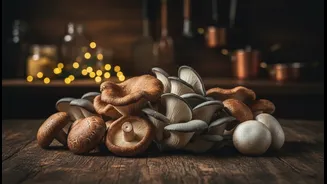
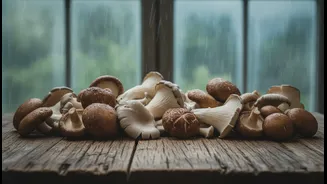
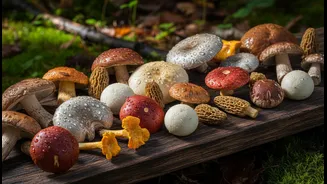
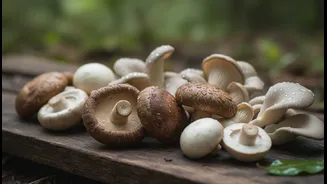
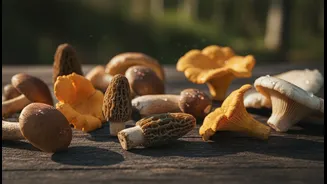
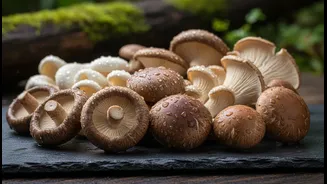
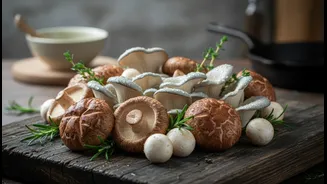
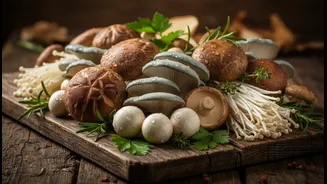
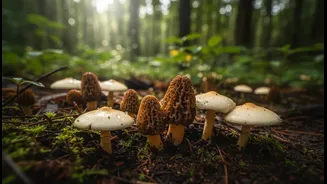
The trend goes far beyond the common button mushroom. A diverse range of mushrooms is now finding its way into Indian kitchens, each offering a distinct taste and texture. Button mushrooms remain a versatile and mild-flavoured favourite, perfect for curries and pulaos. Oyster mushrooms, known for their delicate texture and quick cooking time, are excellent in stir-fries and lighter dishes. For a meatier bite, many are turning to shiitake and portobello mushrooms. Shiitakes provide a rich, smoky flavour ideal for robust masalas, while large portobellos are perfect for grilling or stuffing, often serving as a satisfying meat substitute. Even more exotic varieties like enoki and the prized wild 'gucchi' from the Himalayas are making special appearances.
What's Cooking: Trending Mushroom Dishes
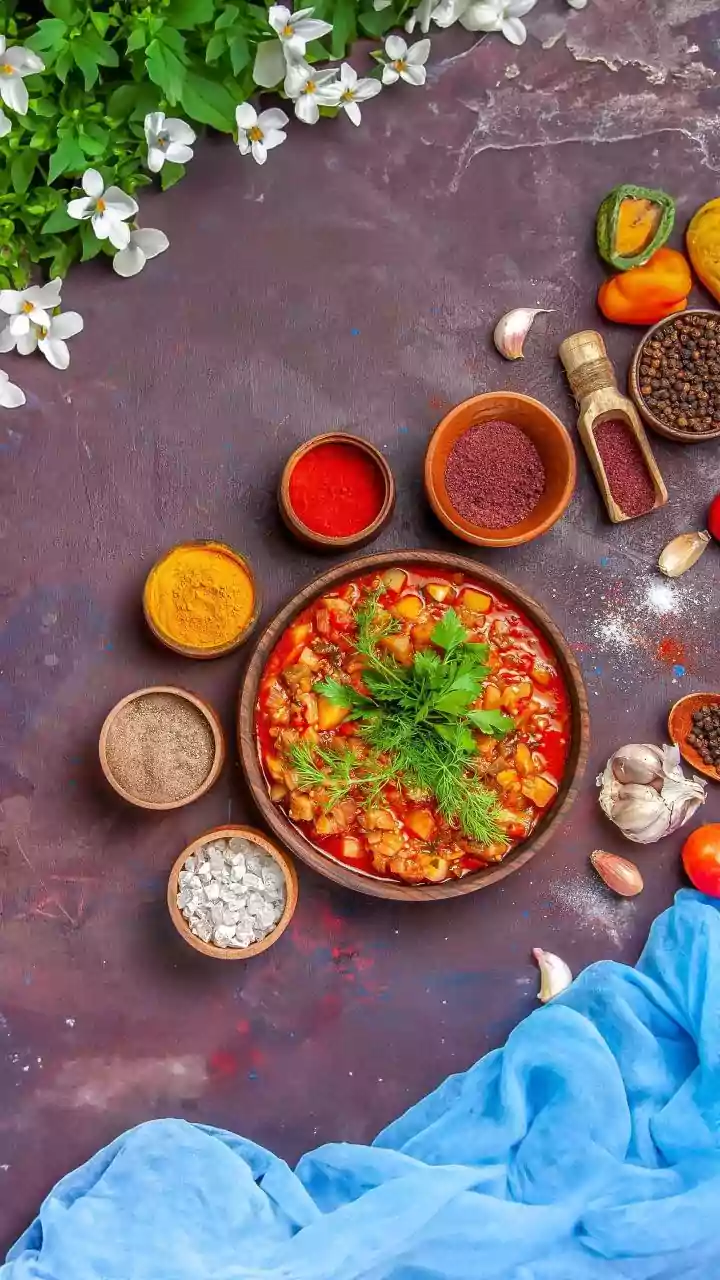
The current obsession with mushrooms is best seen on menus across the country. Tandoori mushroom tikka, where marinated mushrooms are grilled to smoky perfection, has become a go-to appetizer. In main courses, classic preparations like Mushroom Masala and Matar Mushroom remain comforting staples. However, chefs are also getting creative. You can now find rich Chettinad mushroom curries with their fiery spice blends, creamy South Indian kormas, and even mushroom-filled dosas. Other popular dishes include hearty mushroom biryani, simple and peppery mushroom fry, and indulgent stuffed mushrooms (bharwa mushrooms). In Goa and parts of the Konkan coast, the monsoon brings the rare, foraged 'olmi' or termite mushrooms, which are used to create a legendary local curry called xacuti.
A Note on Monsoon Mushroom Safety
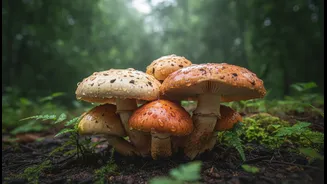
While enjoying this fungal bounty, a bit of caution is essential, particularly during the monsoon. The damp conditions that help mushrooms thrive also encourage the growth of bacteria and mould, making them spoil faster. Always buy mushrooms from a clean, reliable source, not from unknown roadside vendors. Avoid foraged wild mushrooms unless you are an expert in identifying them, as poisonous varieties can look very similar to edible ones. Before cooking, inspect them carefully. Fresh, safe mushrooms should be firm, not slimy, mushy, or discoloured, and should have a fresh, earthy smell. It's also best to cook mushrooms thoroughly rather than eating them raw to eliminate any potential harmful microorganisms.